From Salesman to Documentary Filmmaker
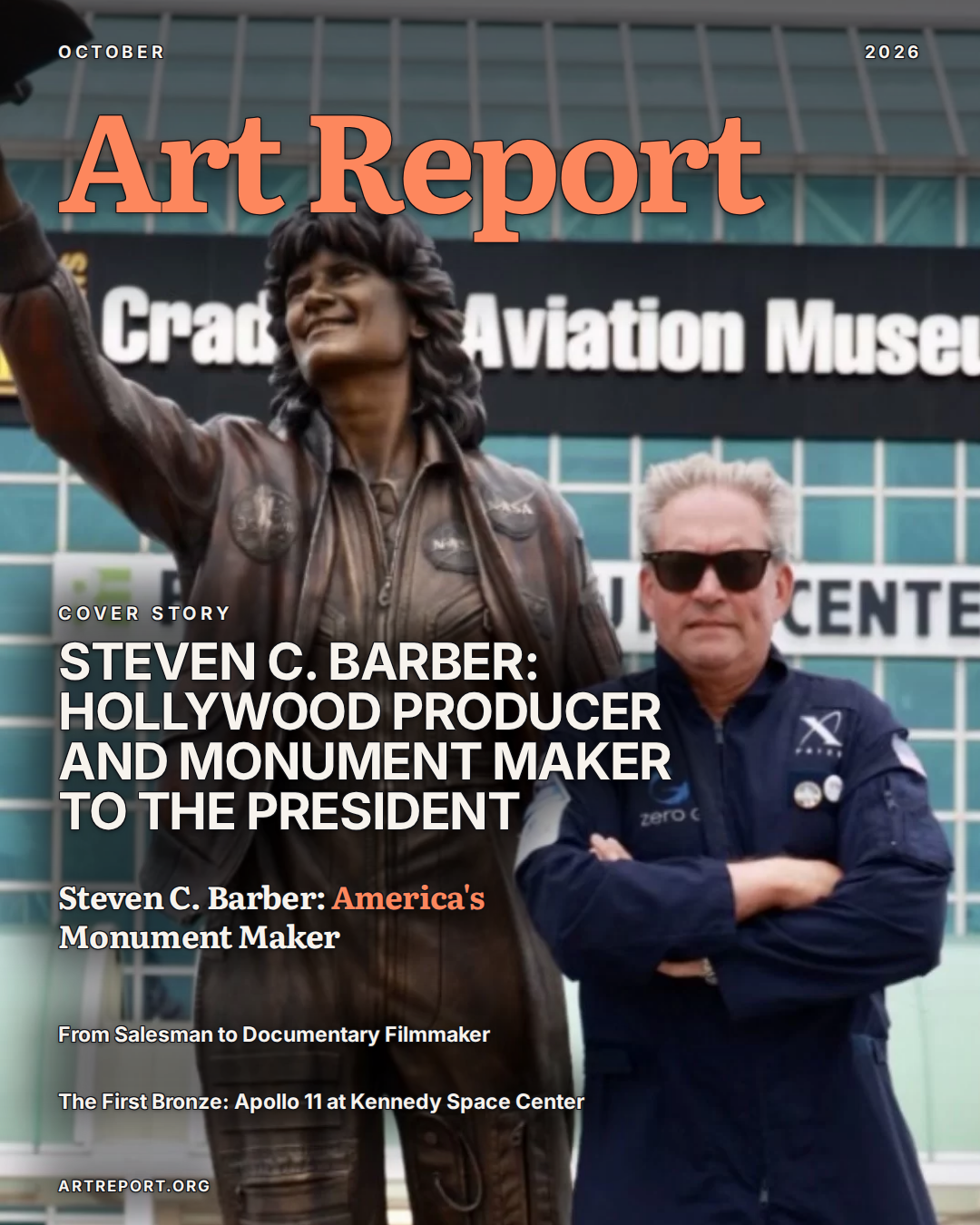
Steven C. Barber is a Santa Monica filmmaker who became America's most prolific private builder of national monuments, a designation his own release states plainly:
"America's Monument Maker."
He has commissioned 18 national statues, and he has created monuments for both the 45th and 47th presidential administrations.
Barber began his career running a sales organization. In 2007 he taught himself to make documentaries so he could tell the story of a Challenge Alaska wheelchair race. That first film, narrated by Dan Aykroyd, made the Oscar shortlist. Through his company, Vanilla Fire Productions, he went on to produce more than ten feature documentaries, many of them about the military and World War II.
Filmmaking, he found, taught him to raise money, sell a story, and deliver on a deadline. Monuments, as his subsequent career demonstrates, need all three.
The First Bronze: Apollo 11 at Kennedy Space Center
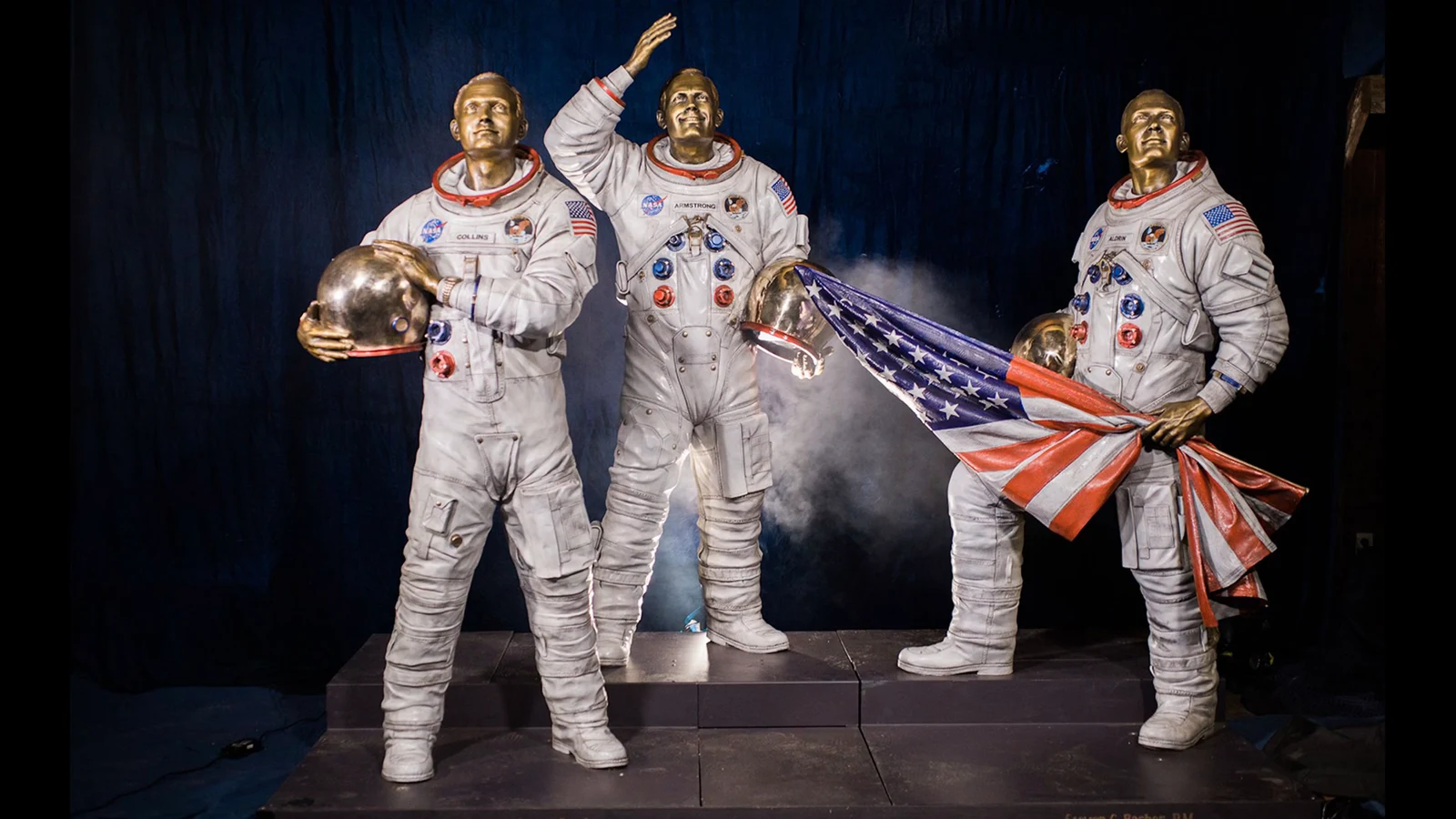
His first bronze came out of a film project. While producing a documentary about Buzz Aldrin, Barber realized that no monument showed the Apollo 11 crew together. With $750,000 from Quicken Loans and sculptors George and Mark Lundeen of Loveland, Colorado, he delivered a statue of Armstrong, Aldrin, and Collins to Kennedy Space Center in about three months. The work normally takes nine to twelve.
It was unveiled in July 2019, days before the 50th anniversary of the landing. An Apollo 13 monument at Space Center Houston followed, and in 2022 he fully funded a bronze and gold statue of Sally Ride, the first American woman in space.
Presidents, a Rose Garden, and the Naval Academy
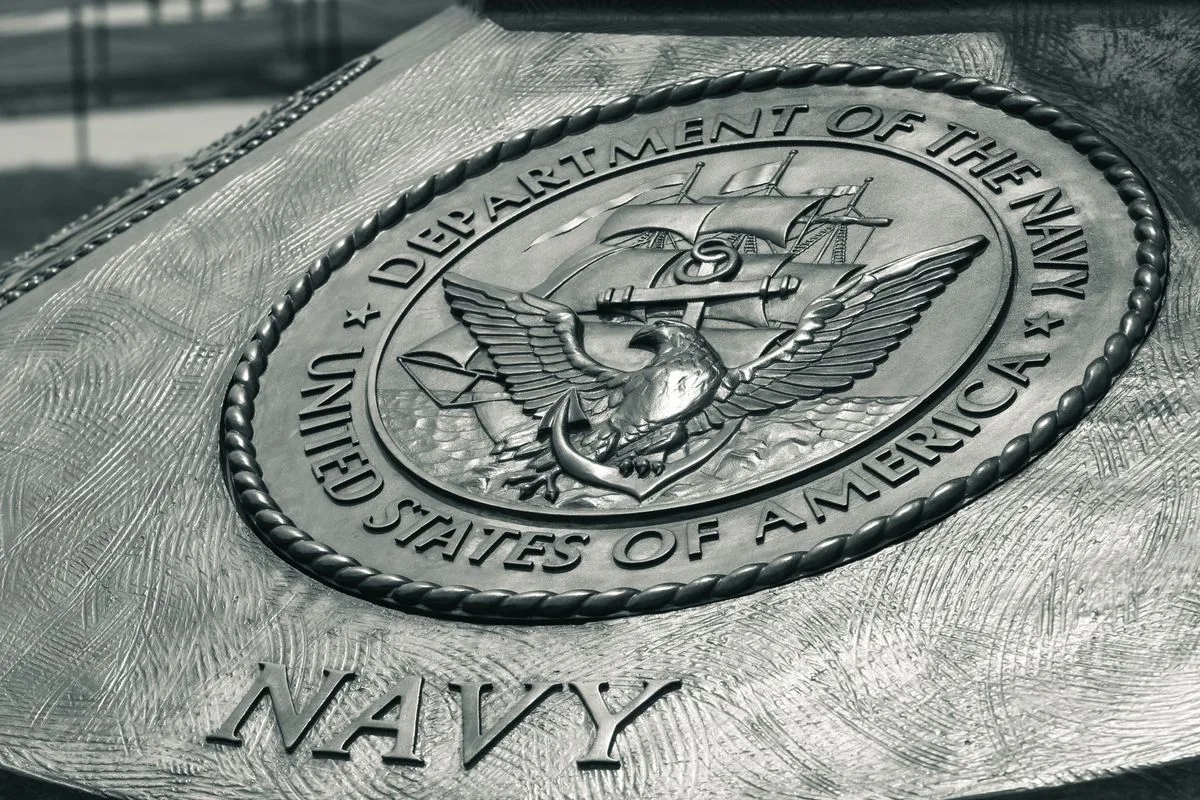
Then he turned to presidents. In April 2025 he presented a statue of President Donald Trump in Palm Beach. In July 2026 he placed Thomas Jefferson in the White House Rose Garden. On October 1, 2026, what would have been Jimmy Carter's 102nd birthday, he unveiled a bronze bust of Carter at the U.S. Naval Academy, funded in a single day.
His method is simple. He calls chief executives directly, sells legacy instead of advertising, and trusts the Lundeen studio with the art. His philosophy is simpler still:
"I don't make history. I just record it."
How Private Monument Projects Take Shape
Commissioning a national monument as a private initiative is an unusual path within American public art. Most commemorative statues at federal sites originate with acts of Congress, state legislatures, or established foundations, each with its own authorization process and funding structure. A private builder who identifies a gap in the commemorative landscape, secures corporate or individual sponsorship, and delivers a finished bronze to a federal institution is working outside that traditional framework, coordinating instead with the receiving site on placement and unveiling.
The production side of a bronze monument follows its own long-established sequence. A sculptor models the figure in clay or wax, molds are taken, and the bronze is cast, chased, and patinated before installation. Large commemorative bronzes commonly take many months from approved maquette to unveiling, which is why a compressed schedule of roughly three months, such as Barber delivered for the Apollo 11 statue, stands out against the nine-to-twelve-month norm he cites.
Funding for monuments of this kind can come from many sources: direct corporate sponsorship, individual donors, foundation grants, or a single benefactor. A project funded in a single day, as the Carter bust was, represents the fastest end of that spectrum, while multi-sponsor campaigns remain the more common route for larger works.
A Record Built on Film Skills
Barber's transition from documentaries to monuments draws directly on the skills his film career developed. Producing a feature documentary requires assembling financing, managing a production schedule, and delivering a finished work to festivals and distributors on time. Those same competencies, applied to bronze rather than film, explain how a self-taught filmmaker came to move in the world of national commemoration.
His documentary subjects, many centered on the military and World War II, also align with the commemorative focus of his monument work. The Apollo 11 crew, the Apollo 13 mission, Sally Ride, Thomas Jefferson, and Jimmy Carter span space exploration, the founding era, and the modern presidency, a range his films had already traversed in subject matter.
The count now stands at 18 commissioned national statues, spanning two presidential administrations, with works at Kennedy Space Center, Space Center Houston, the White House Rose Garden, the U.S. Naval Academy, and Palm Beach. Barber's own summary of the work remains the quote his release supplies:
"I don't make history. I just record it."