Artists
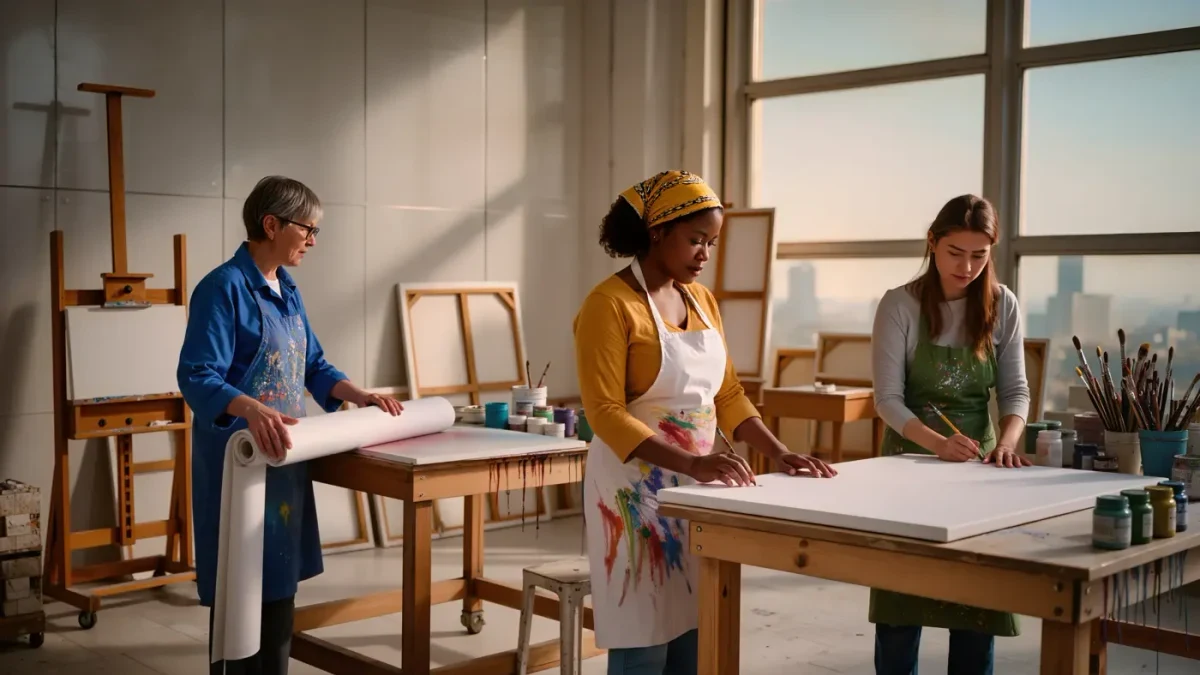
Artists for Humanity: The Boston Studio Where Teenagers Are Paid Like Professionals
A youth arts organization built on a simple wager—pay young artists real wages for real work—and why the model keeps spreading.
Profiles that organize an artist's output into periods, materials and turning points, then say where the significant works can be seen. Historical figures and living practitioners both appear. Suited to readers preparing for an exhibition, students building context, and collectors assessing where a name sits.
A youth arts organization built on a simple wager—pay young artists real wages for real work—and why the model keeps spreading.
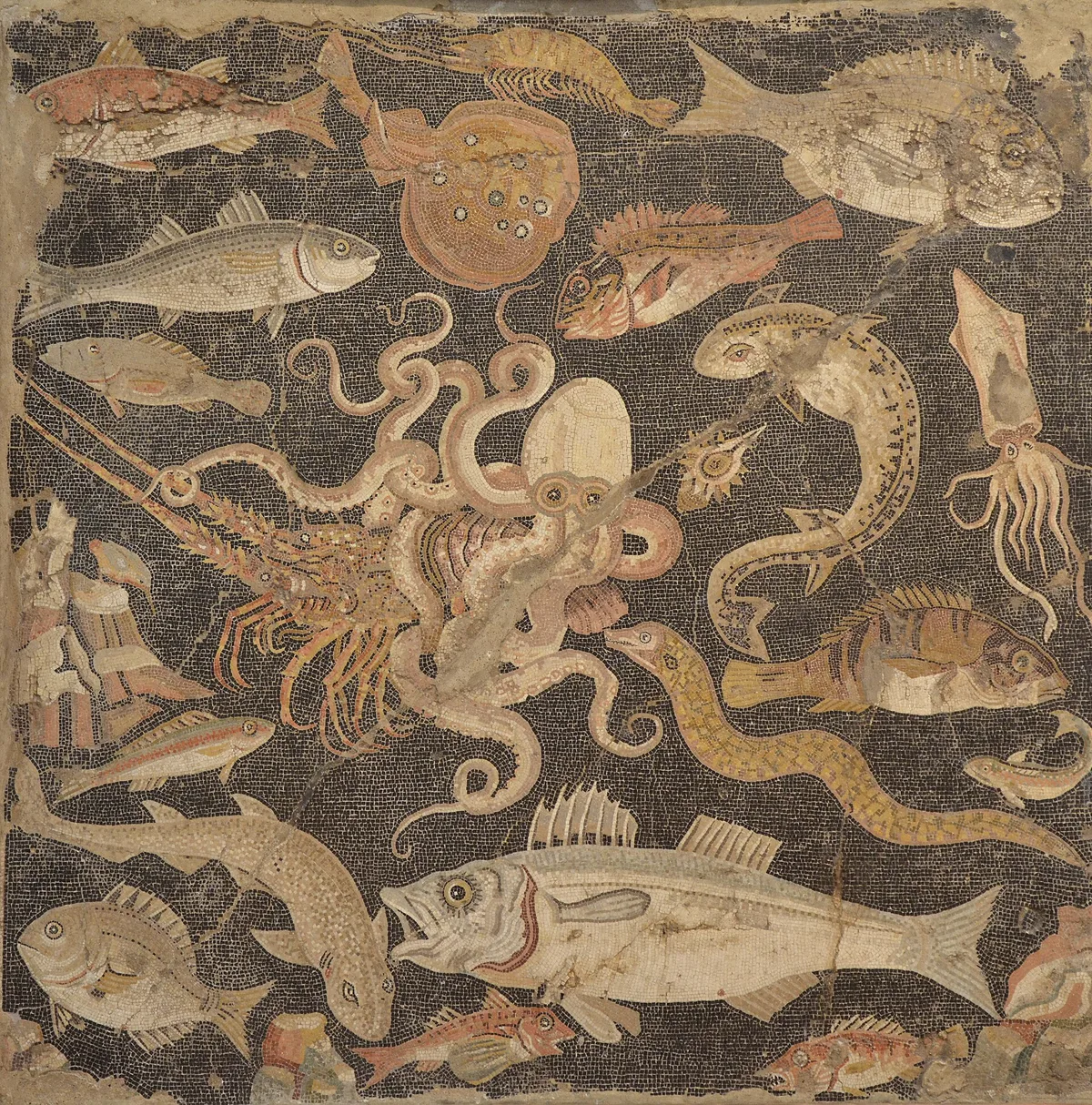
One line in a scholarly volume can fix how a whole career is read, taught and priced.
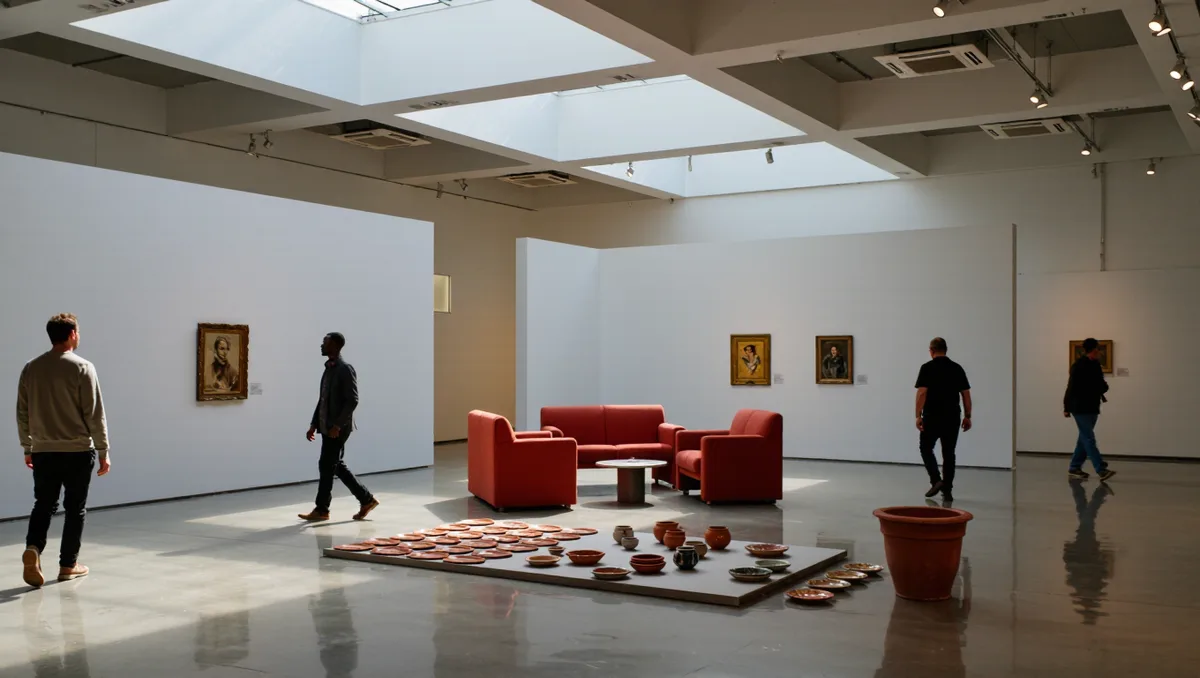
The hierarchy between useful objects and fine art was built by institutions, and it bends every time clay or thread gets museum walls.

The math, the history, and the deal structures behind who profits when an artist's career takes off, and why a growing number of artists no longer sign on with just one gallery.
Women remain a single-digit share of global auction value, but museum acquisitions, dedicated funders and a reappraised historical canon are narrowing the gap faster than at any point since the 1970s.
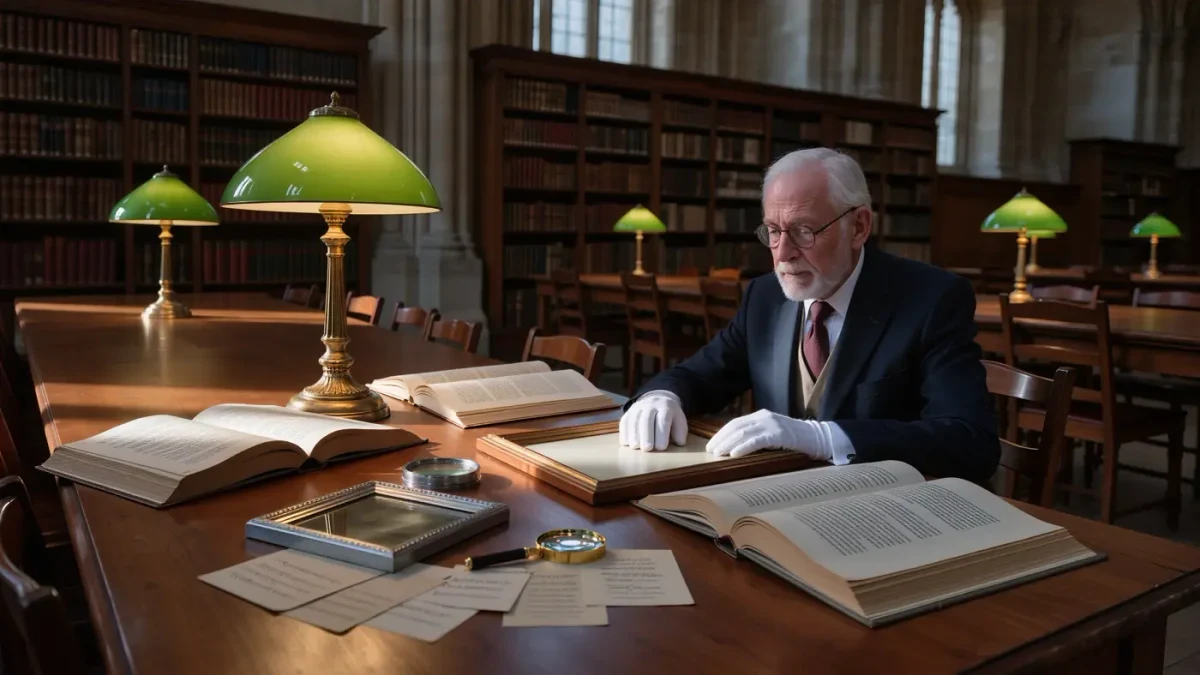
The catalogue raisonné is the art market's supreme court of authenticity — compiled by scholars and artist foundations over decades, and a single inclusion or exclusion can move a work's value by millions.
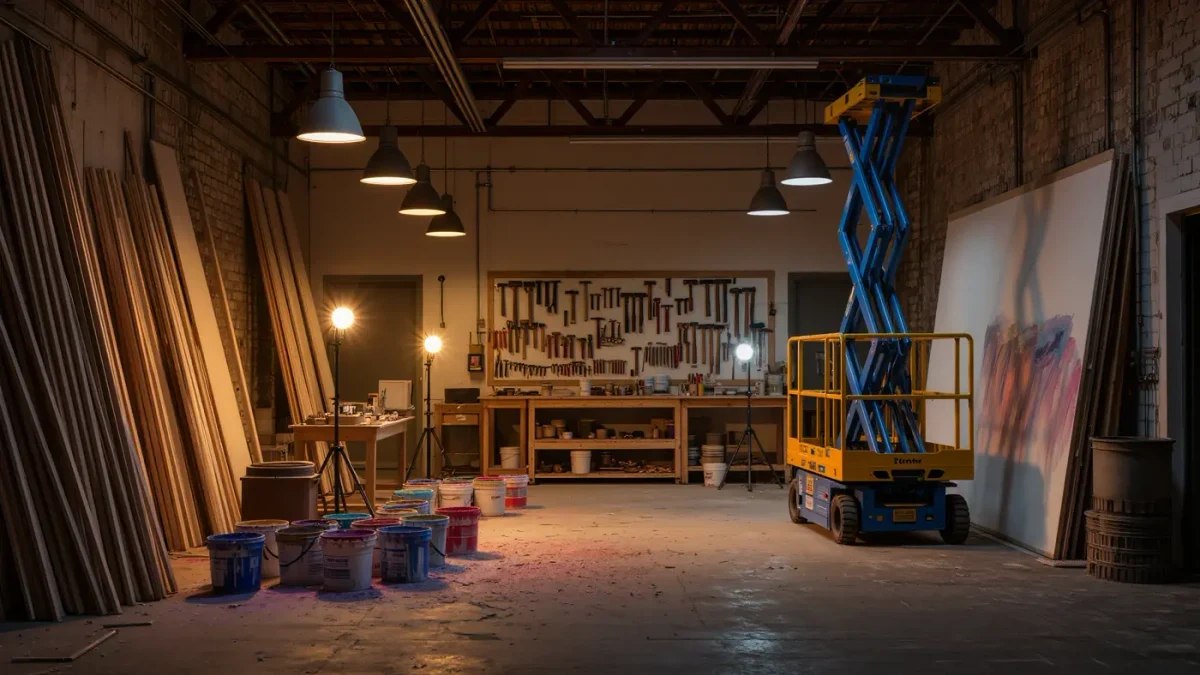
A studio practice that costs a few hundred dollars a month at the start can burn hundreds of thousands annually at the top — and the unit economics of a painting change completely at every rung.
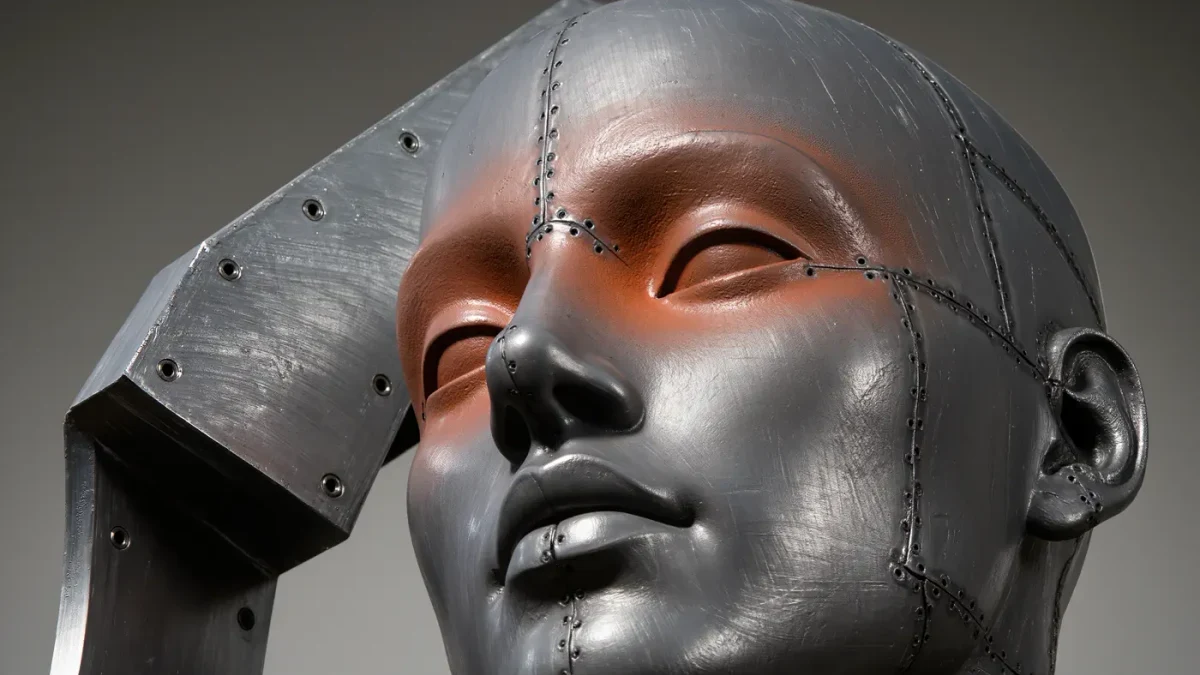
Public commissions run on procurement logic — RFPs, shortlists, maquettes, committees — and are funded largely by percent-for-art ordinances that skim a slice of construction budgets, with agents taking a cut for navigation.
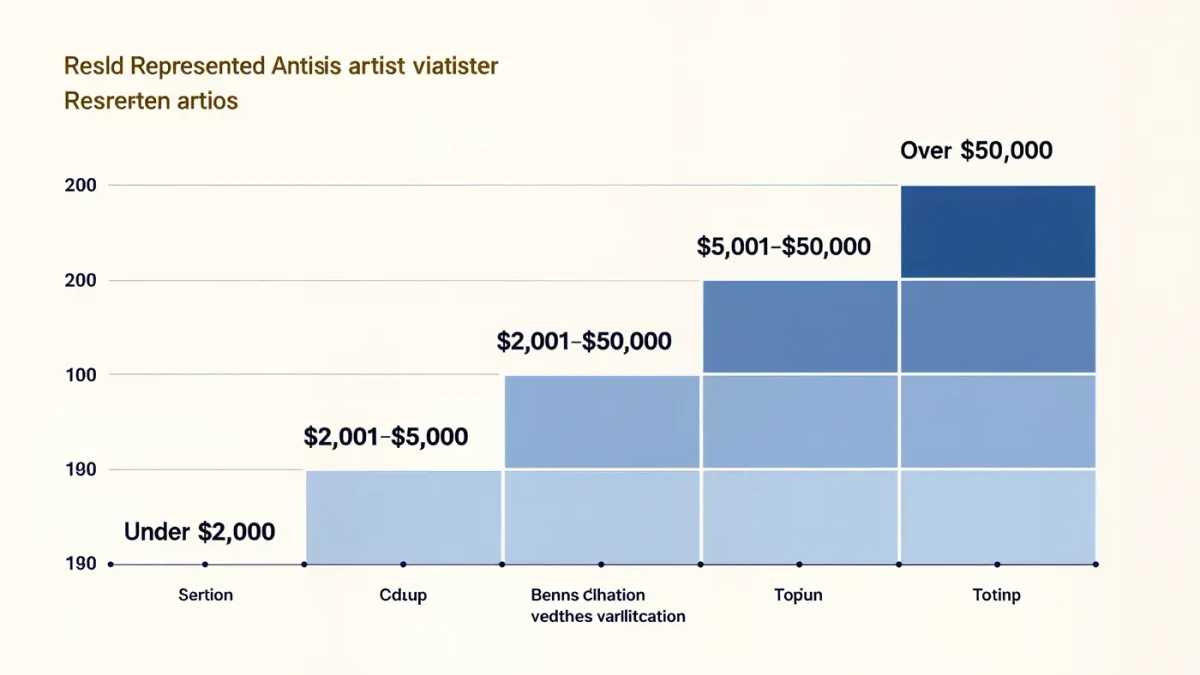
Self-represented artists can now reach collectors directly — but the direct market has a price ceiling measured in low thousands, no institutional ladder, and a discount problem that follows the work.

The EU's Artists' Resale Right Directive guarantees artists a slice of secondary-market sales in more than 80 countries — while in the United States, the right exists nowhere at the federal level, and California's attempt died in court.