Art Report
Latest
How Museums Actually Acquire Art: Purchase, Gift, Bequest, and the Rules on Selling
Museums acquire through four documented channels — purchase, gift, bequest, and transfer — and the rules on what happens next, codified by the AAMD and AAM, are why deaccessioning makes headlines when it happens.
Global Art Sales Fell 4 Percent to $65 Billion in 2023: Art Basel–UBS Report
The Art Basel and UBS Art Market Report 2024 put 2023 global sales at $65 billion, down 4 percent — but the number the trade actually argued about was the 30 percent drop at the top of the market.
How Art Criticism Gets Its Pictures: Open Access, Fair Use, and the Living-Artist Problem
Museum open access programs have released millions of images for unrestricted reuse — all of them public domain. That single boundary decides which exhibitions reviews can actually illustrate.
Galleries
All →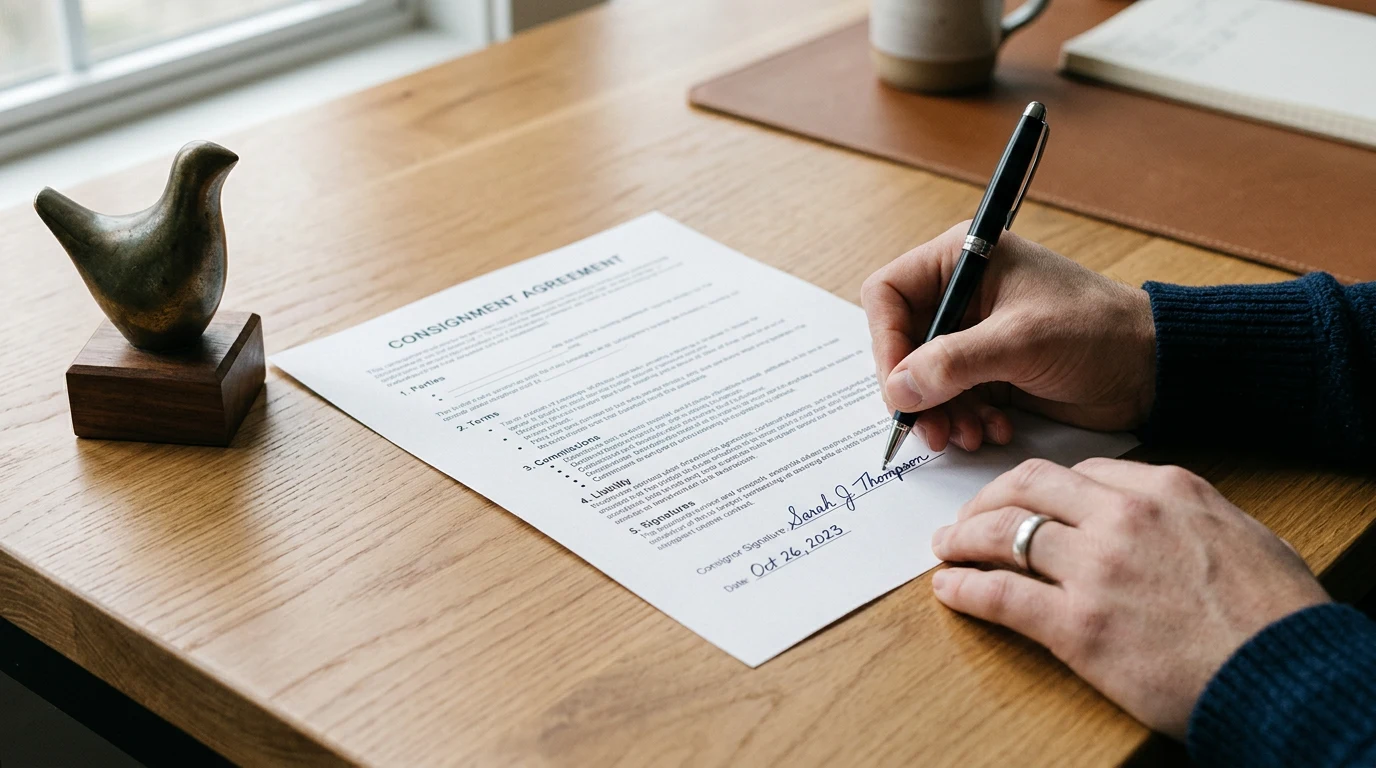
How the Gallery-Artist Commission Split Actually Works, From the 50/50 Norm to New York's Trust Fund Law
The consignment agreement, not the wall label, is what determines who gets paid, when, and what happens to the money if a gallery goes under.
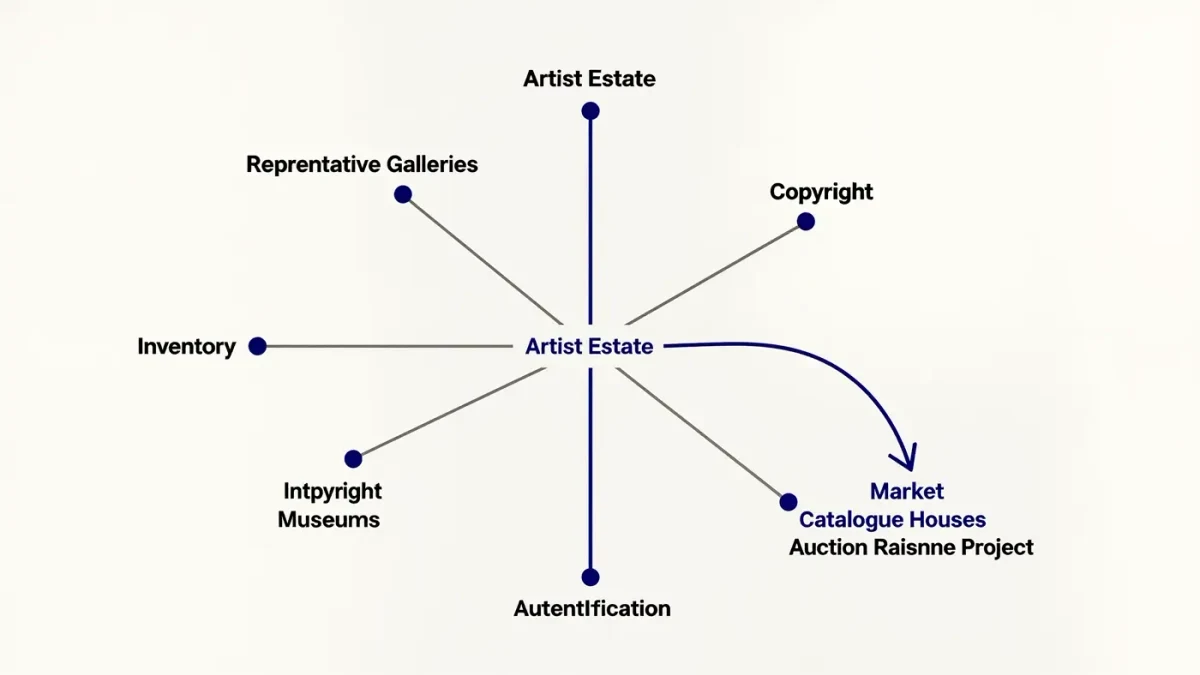
Artist Estates and Their Galleries: Who Represents the Dead and Controls the Market Afterward
When an artist dies, representation becomes an act of market management — the estate picks a gallery not just to sell work, but to govern prices, authentication and legacy.
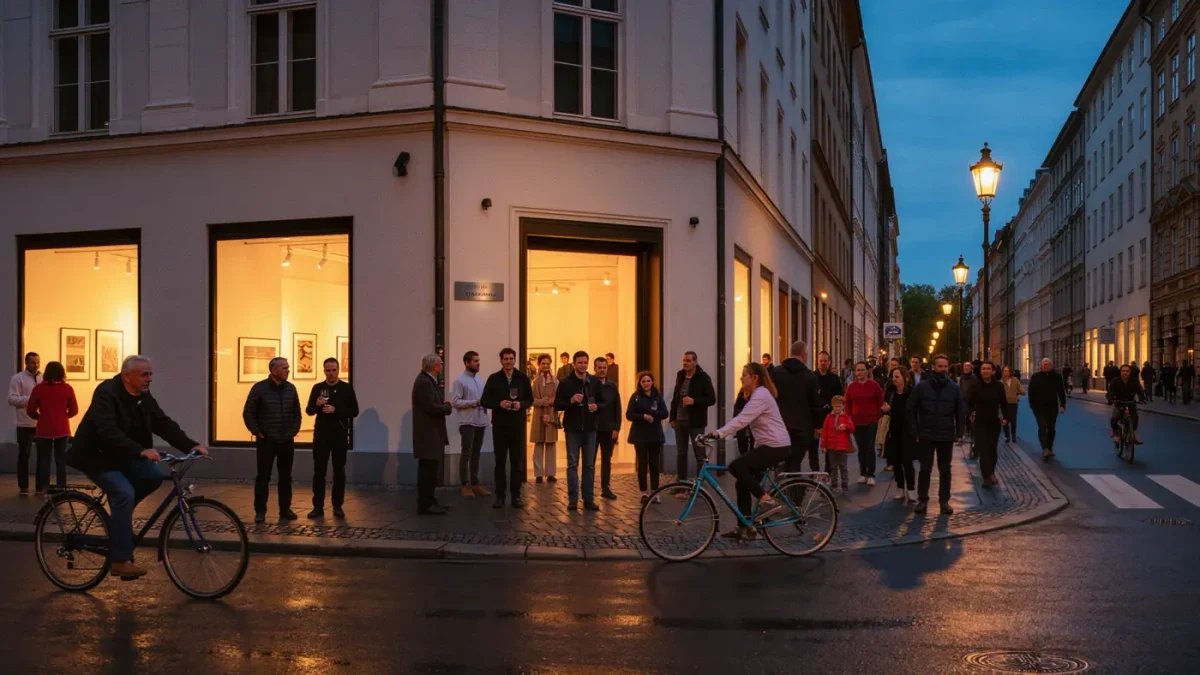
Gallery Weekends Explained: How Berlin and Other Cities Package a Season Into One Expensive Long Weekend
A Gallery Weekend compresses a city's galleries into four coordinated days of openings, dinners and shuttle buses — cheap marketing for the city, survival arithmetic for the galleries.
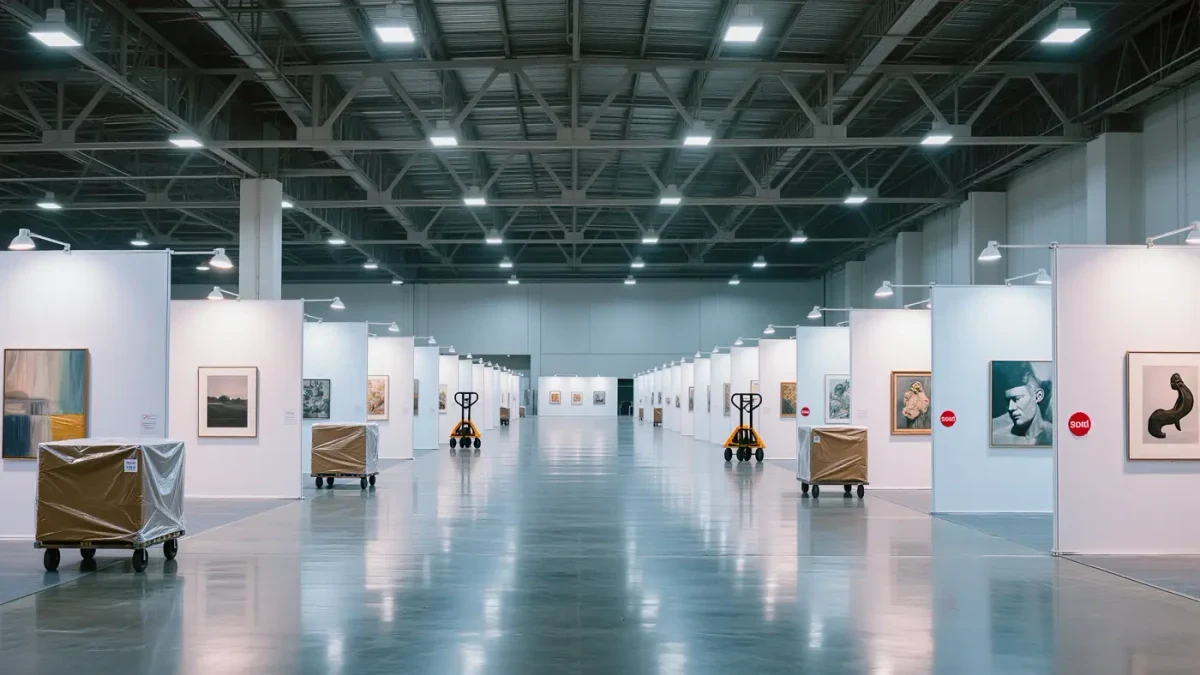
VIP Art Fair Previews: The Tiered Access System That Sells the Booth Before Doors Open
By the time an art fair opens to the public, the best works are gone — sold in a ladder of invitation-only previews whose hierarchy maps exactly onto collector value.
Museums
All →
How Museums Actually Acquire Art: Committee Votes, Dollar Thresholds, and the Rules on Deaccessioning
Behind every new painting on a museum wall sits a chain of curatorial recommendations, dollar-tiered approvals, and — when a museum sells instead of buys — an increasingly strict rule on where the proceeds can go.

Private Museums Explained: IRS Rules, the US Boom in Collector Foundations and the Criticism
America now counts thousands of private museums founded on collector tax deductions — from the Broad to a warehouse open four hours a week. How the IRS rules work and why critics want them tightened.

Museum Ticket Pricing Explained: Free Admission, Paid Entry and the Dynamic-Pricing Debate
The Met charges out-of-towners $30; the Smithsonian is free by statute. How museums set admission prices, what attendance data says, and whether surge pricing belongs in culture.
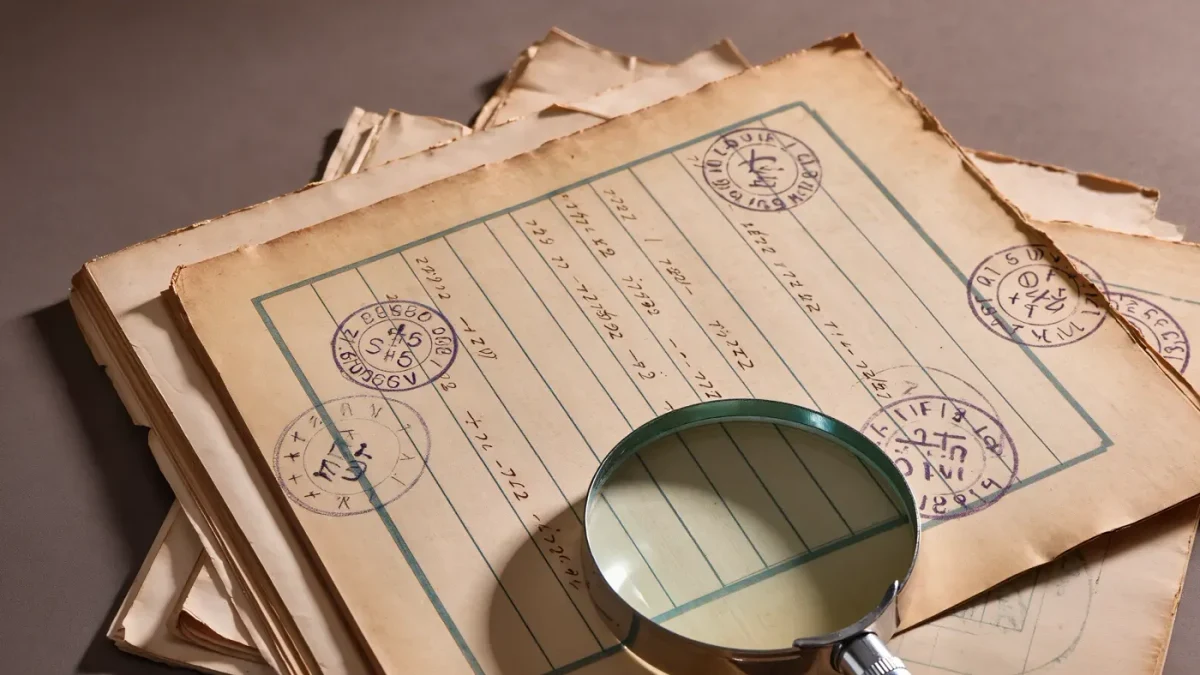
Provenance Research in Museums: Nazi-Era Loot, Washington Principles and Restitution
Before a museum buys or accepts a work, someone reconstructs every owner it has ever had. How provenance research works, the 1933–45 gap, and what restitution actually looks like.
Spotlight
Women Artists and the Market: A Persistent Price Gap, a Slow Correction, and the Institutions Pushing It
Women remain a single-digit share of global auction value, but museum acquisitions, dedicated funders and a reappraised historical canon are narrowing the gap faster than at any point since the 1970s.
The Catalogue Raisonné: Who Decides What Is Real, and Why Inclusion Is Worth Millions
The catalogue raisonné is the art market's supreme court of authenticity — compiled by scholars and artist foundations over decades, and a single inclusion or exclusion can move a work's value by millions.
How Gallery Representation Actually Works, From the 50/50 Split to Shared Rosters
The math, the history, and the deal structures behind who profits when an artist's career takes off, and why a growing number of artists no longer sign on with just one gallery.
Art Appraisal Explained: Who Values Your Collection, How USPAP Works and Why the Insurance Number Isn't the Sales Number
An appraisal is a defensible opinion of value prepared for a stated purpose — insurance, tax, estate or sale — and the number changes with the question, which is the fact that surprises collectors most.
Artists
View all →
The Economics of the Artist Studio: Rent, Assistants, and What Scale Really Costs
A studio practice that costs a few hundred dollars a month at the start can burn hundreds of thousands annually at the top — and the unit economics of a painting change completely at every rung.
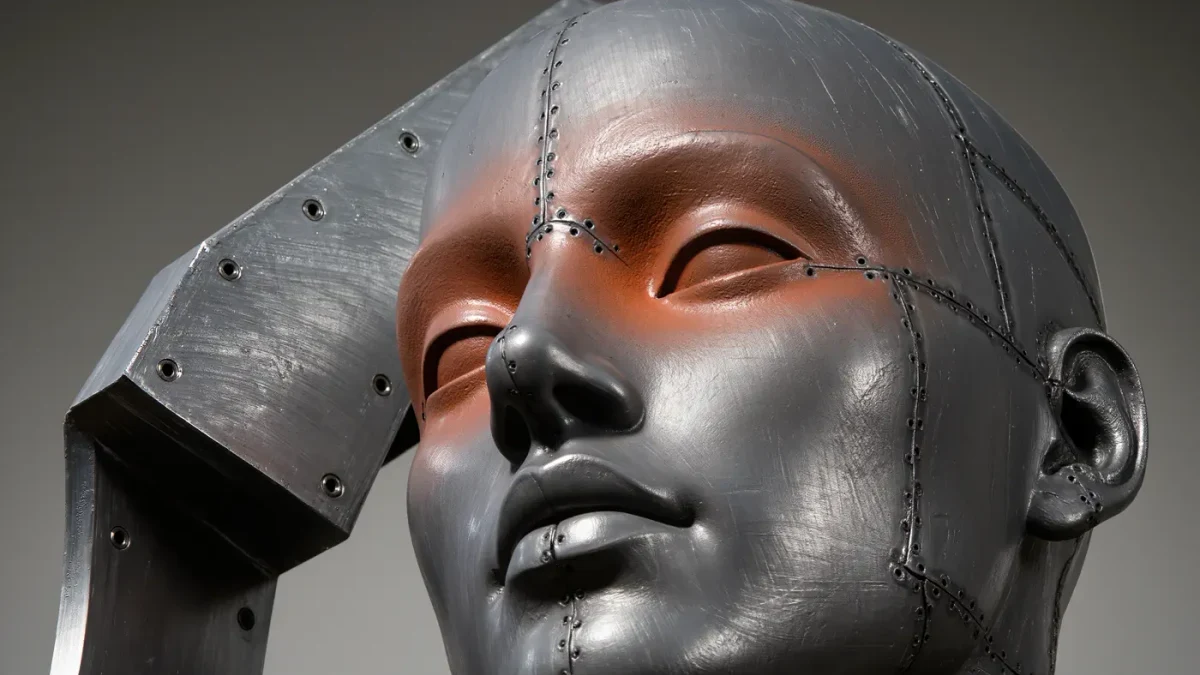
How Public Art Commissions Work: From RFP to Installation, Budgets to Agents
Public commissions run on procurement logic — RFPs, shortlists, maquettes, committees — and are funded largely by percent-for-art ordinances that skim a slice of construction budgets, with agents taking a cut for navigation.
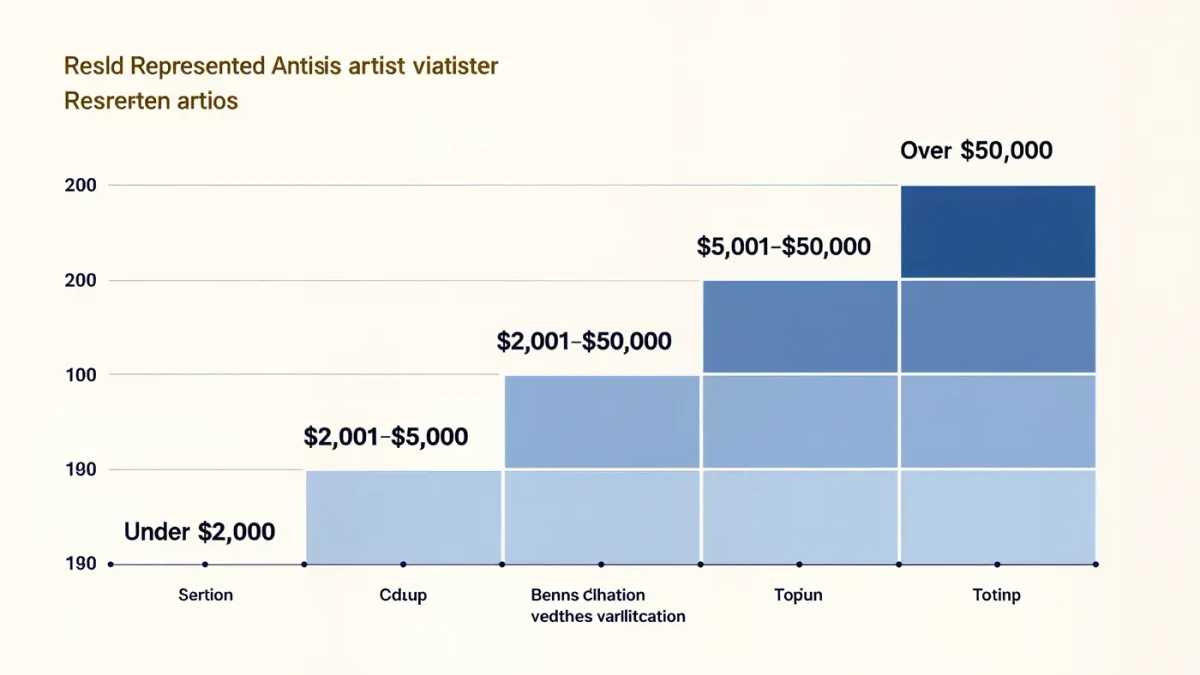
Selling Without a Gallery: The Instagram Market, the Platforms, and the Ceiling
Self-represented artists can now reach collectors directly — but the direct market has a price ceiling measured in low thousands, no institutional ladder, and a discount problem that follows the work.

Resale Royalties Explained: Why European Artists Get Paid Twice and American Ones Don't
The EU's Artists' Resale Right Directive guarantees artists a slice of secondary-market sales in more than 80 countries — while in the United States, the right exists nowhere at the federal level, and California's attempt died in court.
Reviews
View all →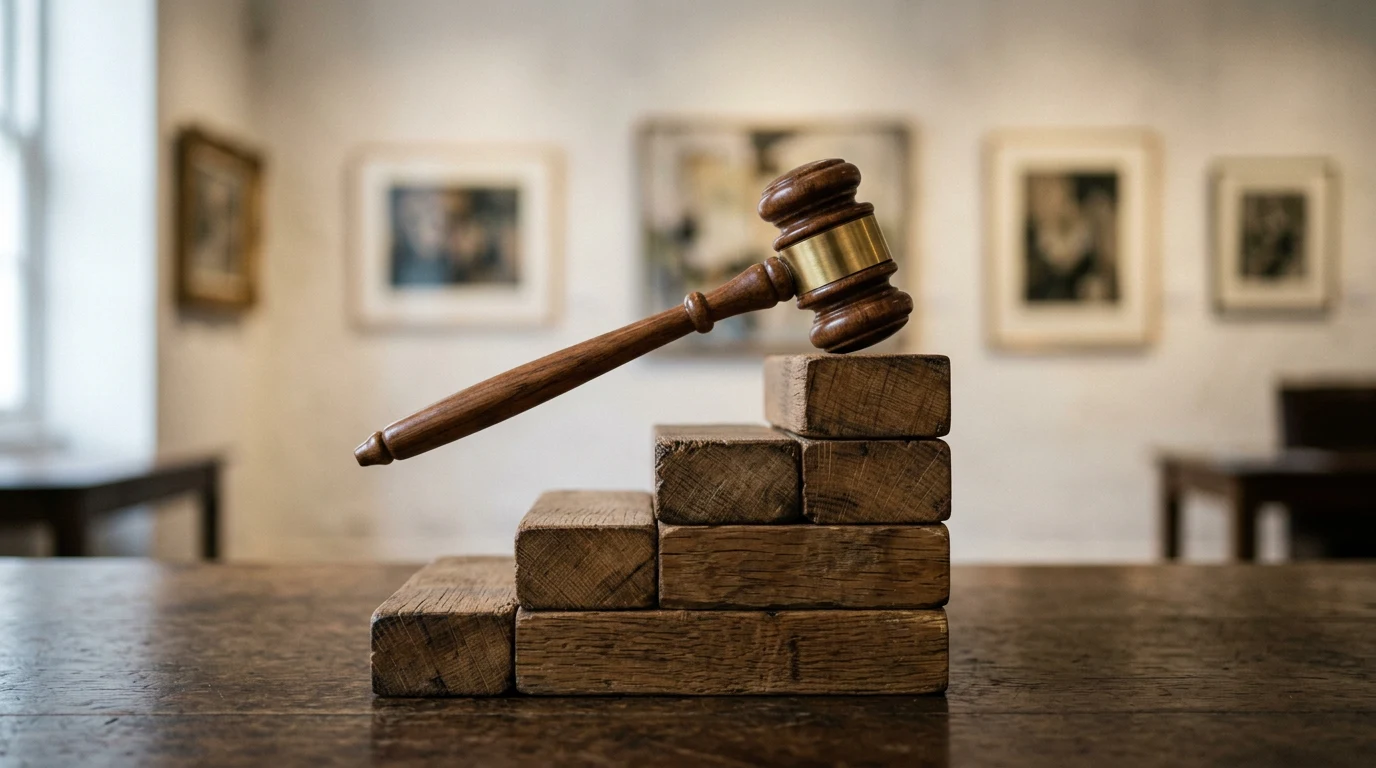
How the Buyer's Premium Works at Art Auctions, and Why It Keeps Climbing
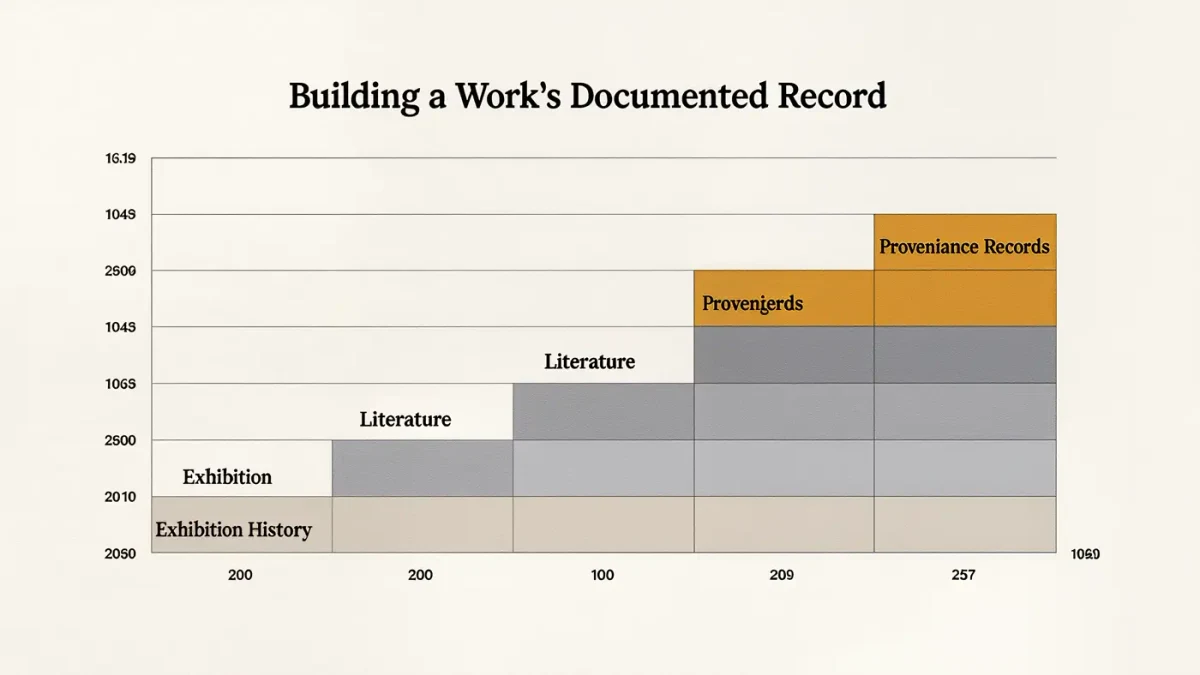
Why Exhibition Catalogues Matter: How Documentation Builds — and Sometimes Becomes — an Artwork's Market History
The exhibition catalogue is the paper infrastructure of value: the citations, reproductions and scholarly entries that turn a private object into a work with a public record, and a quiet asset class of its own.
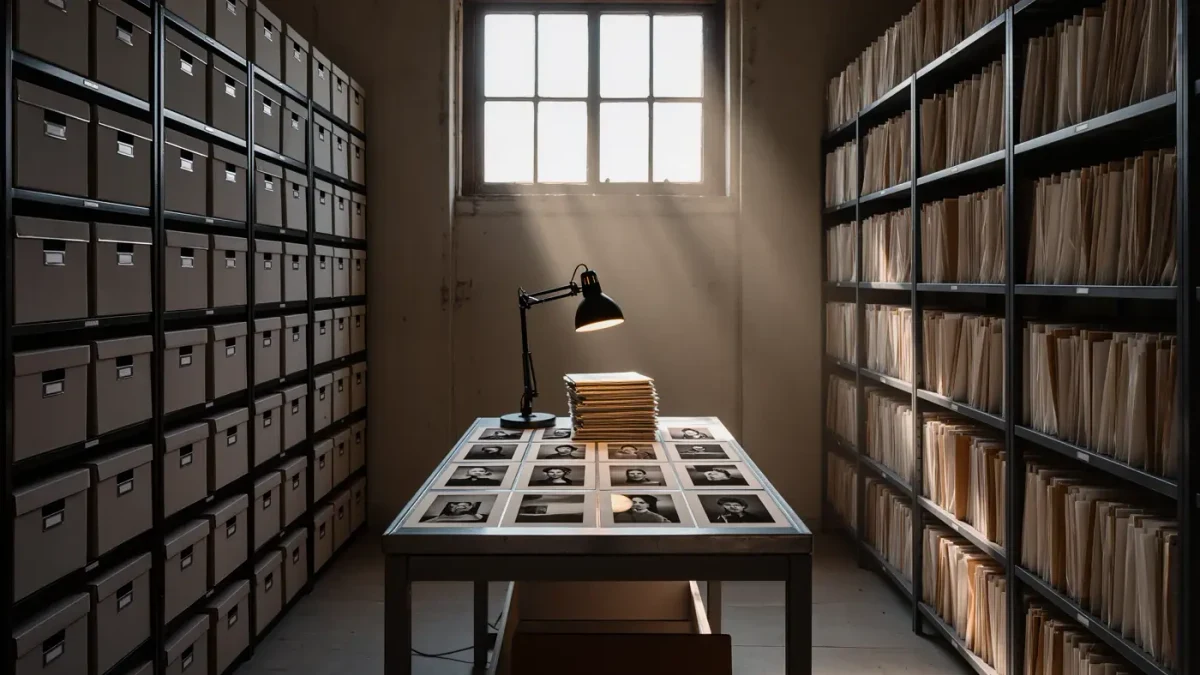
How Art Authentication Actually Works: Artist Foundations, Independent Experts and the Courts
Authentication is the market's least standardized process — a shifting combination of foundations, catalogue raisonné committees and litigation, in which a refusal to opine is often as informative as a certificate.
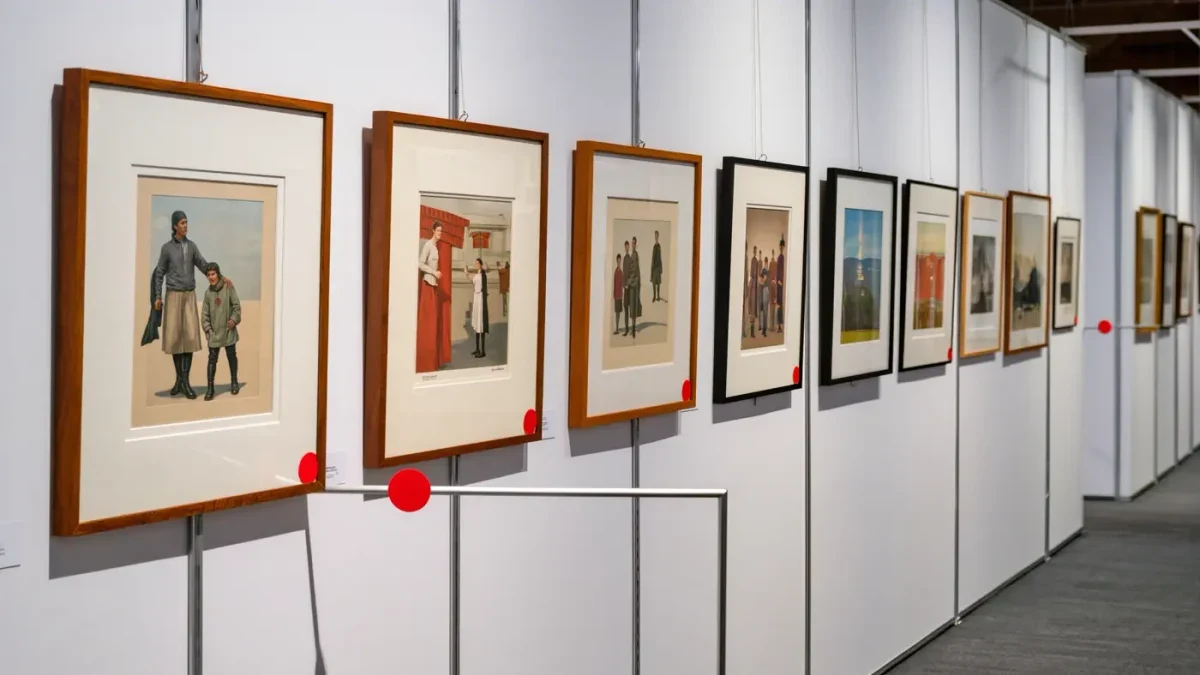
How to Walk an Art Fair: Sections, Stands and the Questions Worth Asking a Dealer Before You Buy
A fair compresses two hundred galleries into a few hours of aisle time — the collectors who get the most out of it arrive with a plan, read the sections like a map and know which questions unlock information dealers withhold by default.
Art News
View all →
What a Hammer Price Really Costs: Buyer's Premiums, Seller Terms, and the Fees Auction Houses Don't Advertise
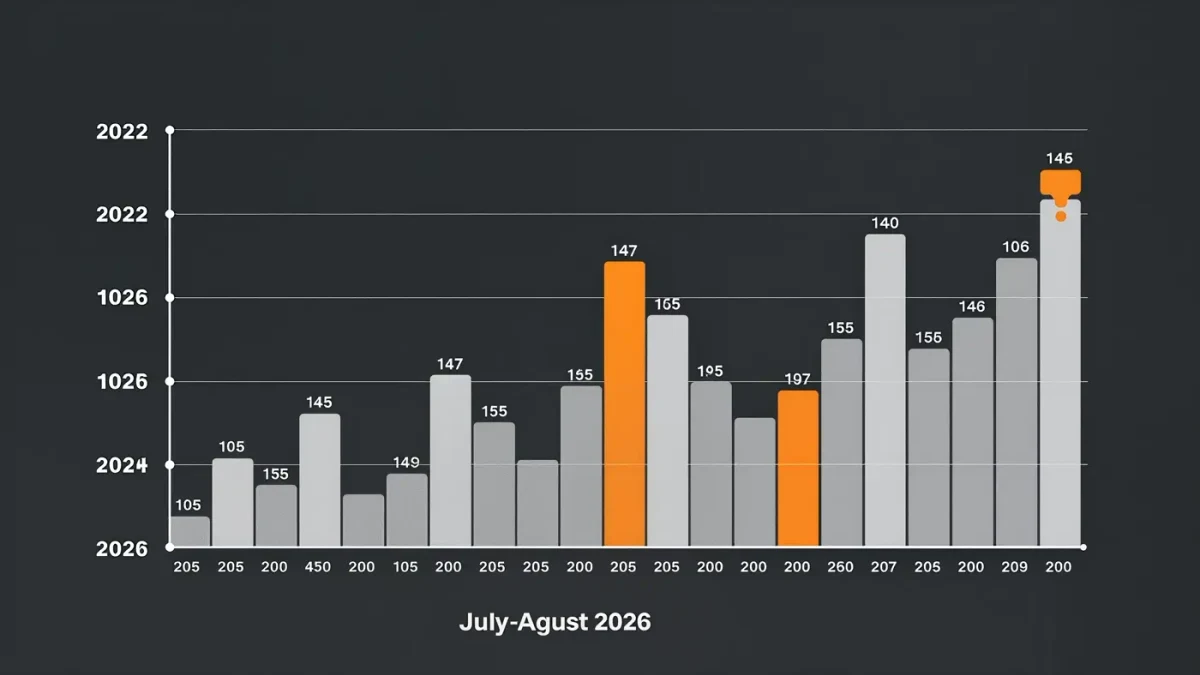
A Lethal Summer for Galleries: Kasmin, Clearing and Blum Wind Down as the Fall Season Resets
Between July and August 2026, several established New York and Los Angeles galleries announced closures or wind-downs — the visible edge of a dealer sector that auction headlines keep flattering.
How Buyer's Premiums Work in Art Auctions, and Why Sotheby's Just Raised Its Rates
A breakdown of the fee that decides what a winning bid actually costs, and what changed in Sotheby's 2026 schedule.
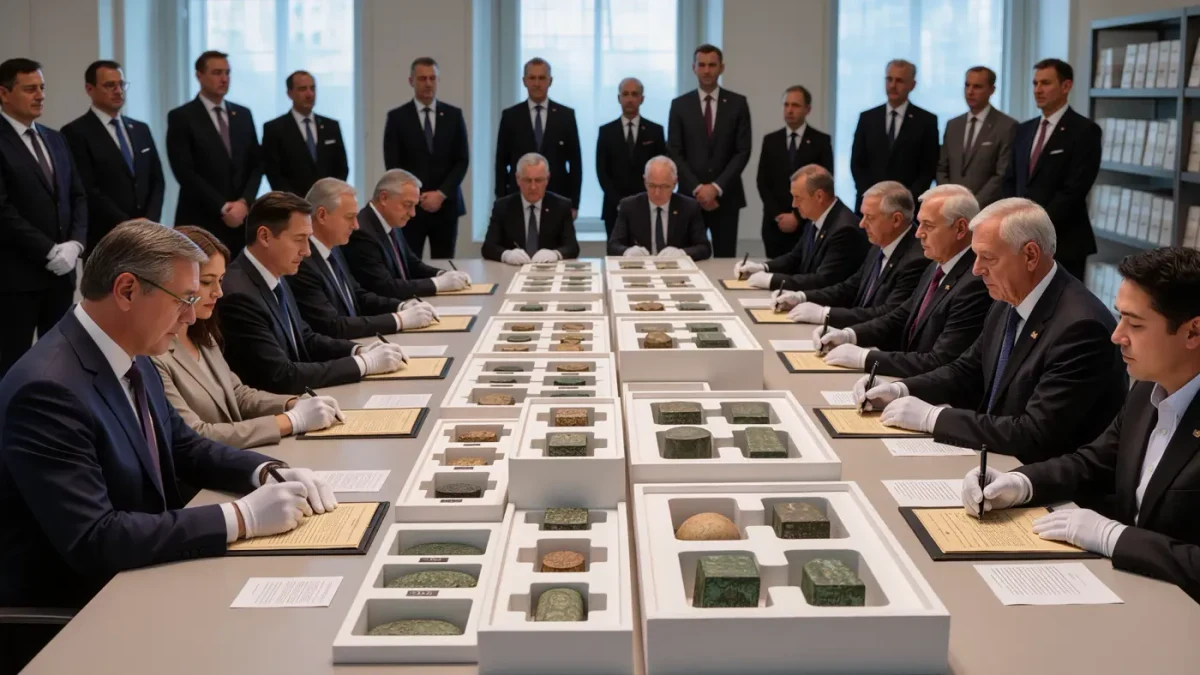
Manhattan DA Returns 657 Antiquities to India in the Largest Single Repatriation of 2026
The May 2026 handover, valued near $14 million, caps an 18-month run in which the Antiquities Trafficking Unit has returned objects to India, Greece, Türkiye, Italy, Spain and Hungary.