
Museums
Salem's Museums Beyond the Witch Trials: How to See the City's Serious Art in October
The crowds come for the haunted history. The collections worth the trip are older, quieter, and easier to see if you plan around the season.
Museum coverage across collections, temporary surveys, conservation work, curatorial appointments and deaccession controversies. Practical detail is included: admission, timed entry, free hours and how long a floor genuinely takes. For visitors planning a day and for readers following how institutions manage what they hold.
The crowds come for the haunted history. The collections worth the trip are older, quieter, and easier to see if you plan around the season.
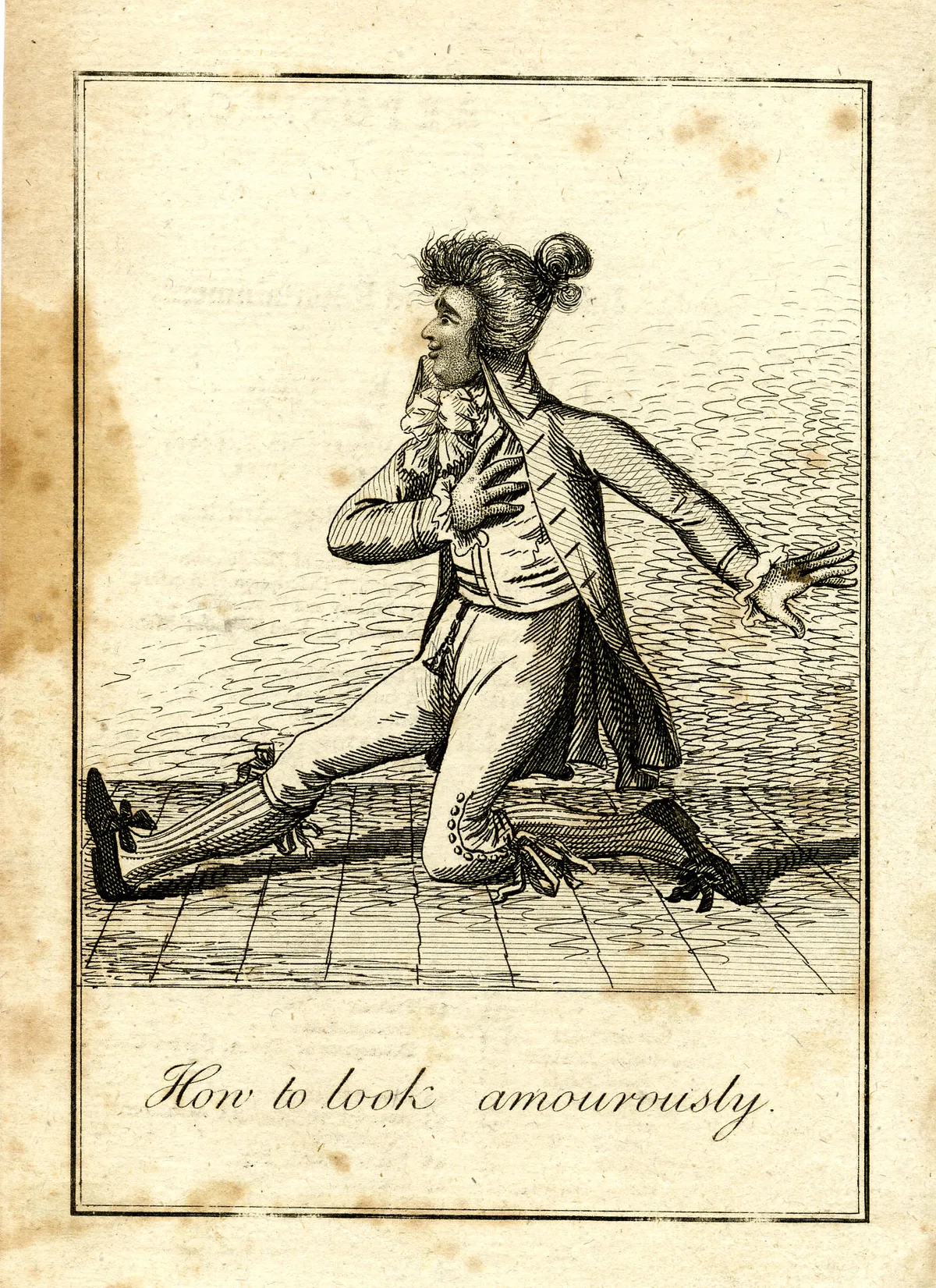
A slow-looking framework for visitors who feel overwhelmed, or underwhelmed, by the standard gallery crawl.
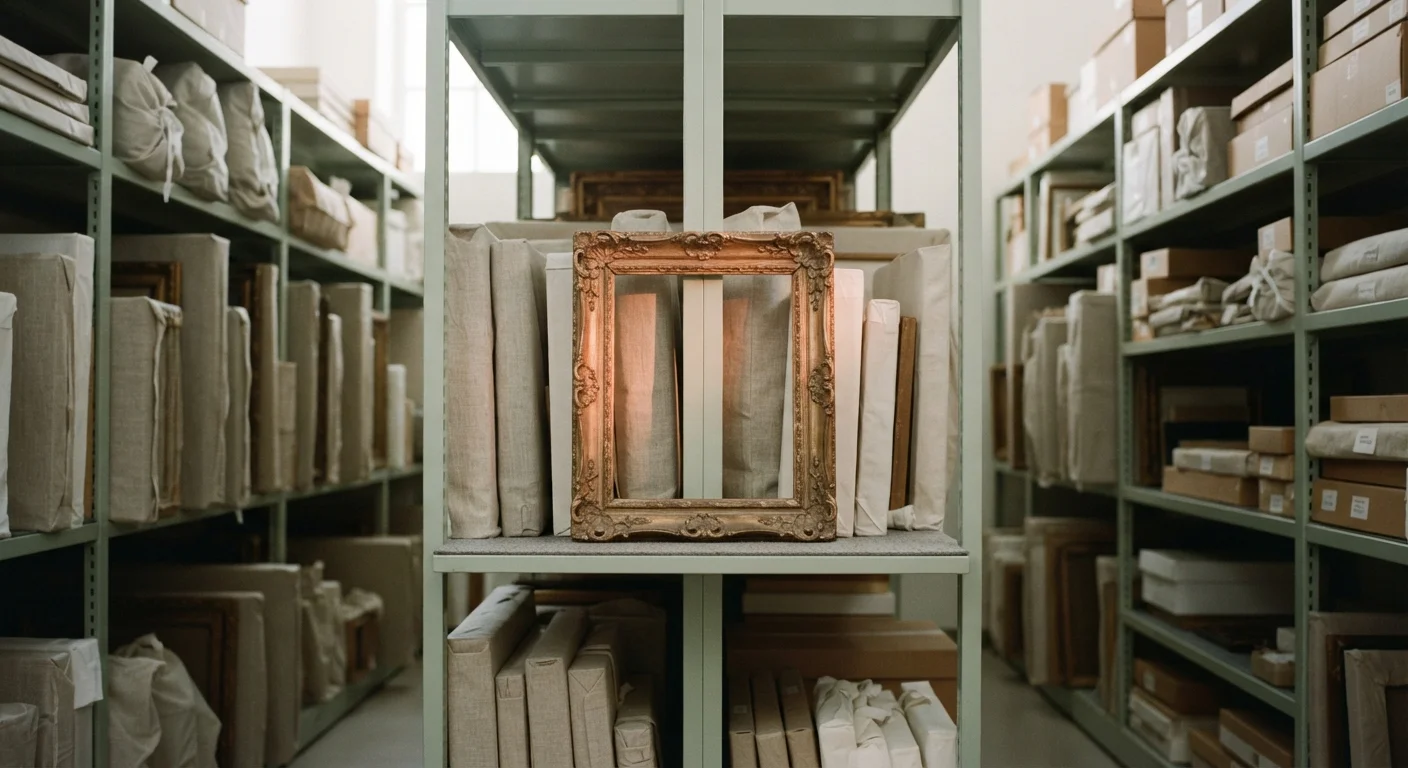
Museums acquire through four documented channels — purchase, gift, bequest, and transfer — and the rules on what happens next, codified by the AAMD and AAM, are why deaccessioning makes headlines when it happens.

Behind every new painting on a museum wall sits a chain of curatorial recommendations, dollar-tiered approvals, and — when a museum sells instead of buys — an increasingly strict rule on where the proceeds can go.

America now counts thousands of private museums founded on collector tax deductions — from the Broad to a warehouse open four hours a week. How the IRS rules work and why critics want them tightened.

The Met charges out-of-towners $30; the Smithsonian is free by statute. How museums set admission prices, what attendance data says, and whether surge pricing belongs in culture.

Before a museum buys or accepts a work, someone reconstructs every owner it has ever had. How provenance research works, the 1933–45 gap, and what restitution actually looks like.
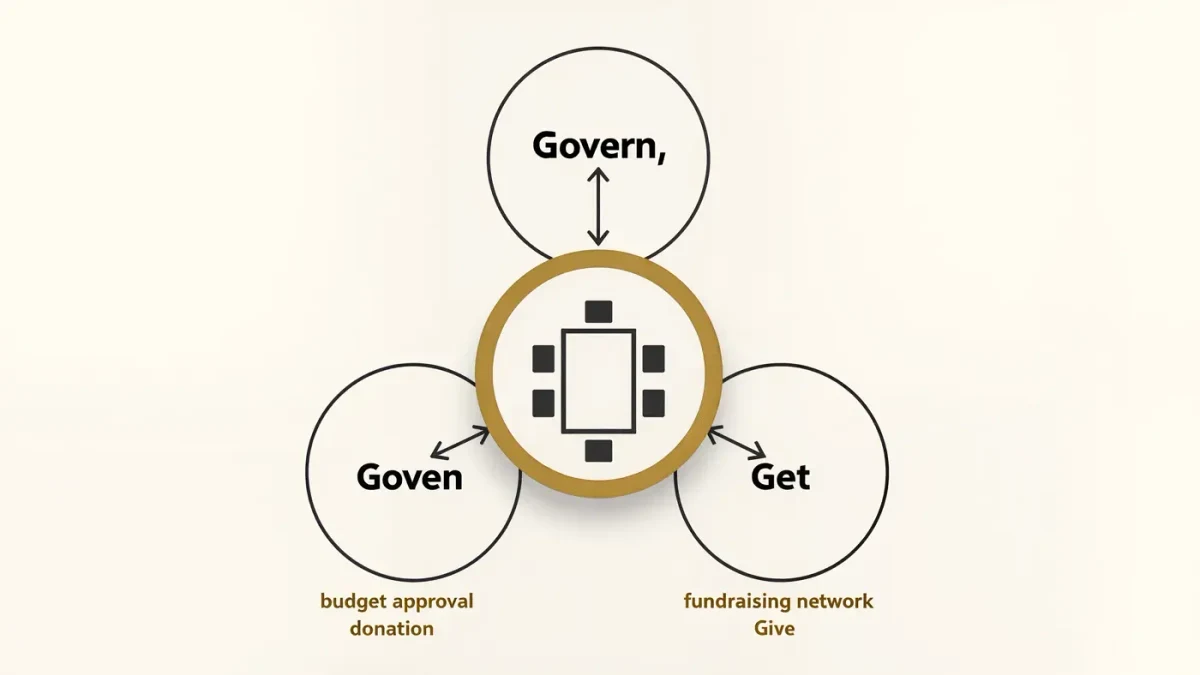
Trustees donate money, raise money, collect art and fire directors. Inside the unpaid job that controls billions in cultural assets — and the market entanglements nobody likes to discuss.

A museum’s endowment is its true balance sheet: an invested principal it tries never to touch, spending around 5 percent a year. How the machine works — and what happens when markets turn.

A monster show can draw a million visitors and still strain the balance sheet. How the blockbuster model works — indemnity, corporate sponsorship, timed tickets and the risk nobody prices correctly.