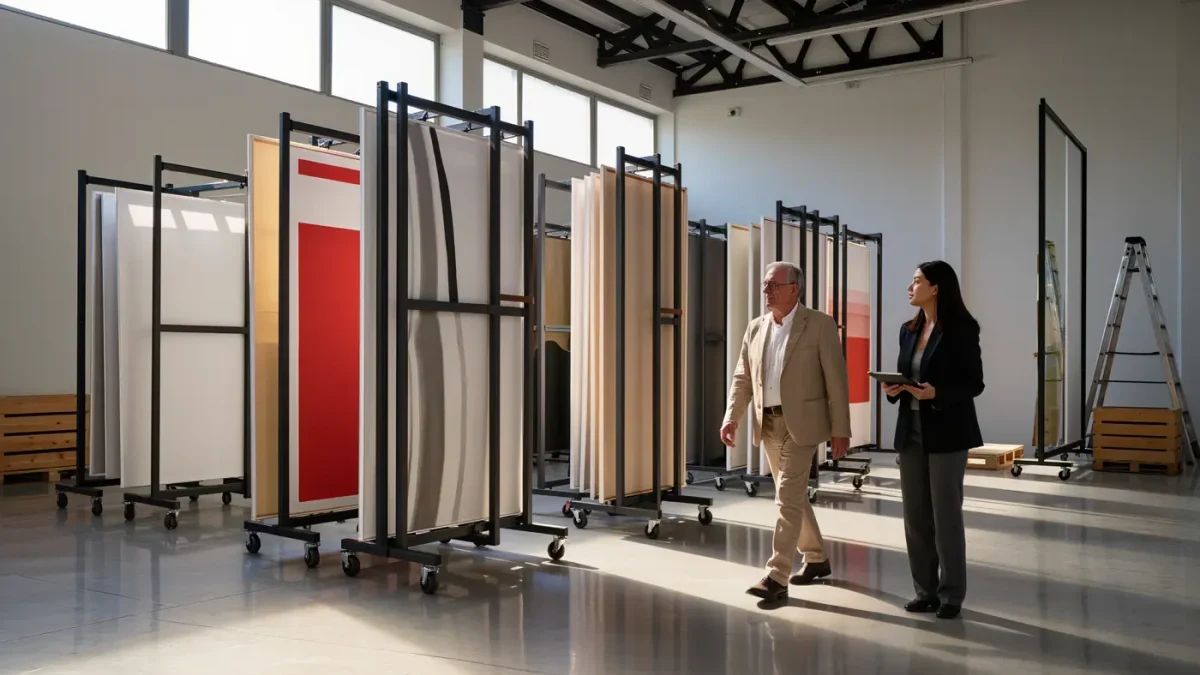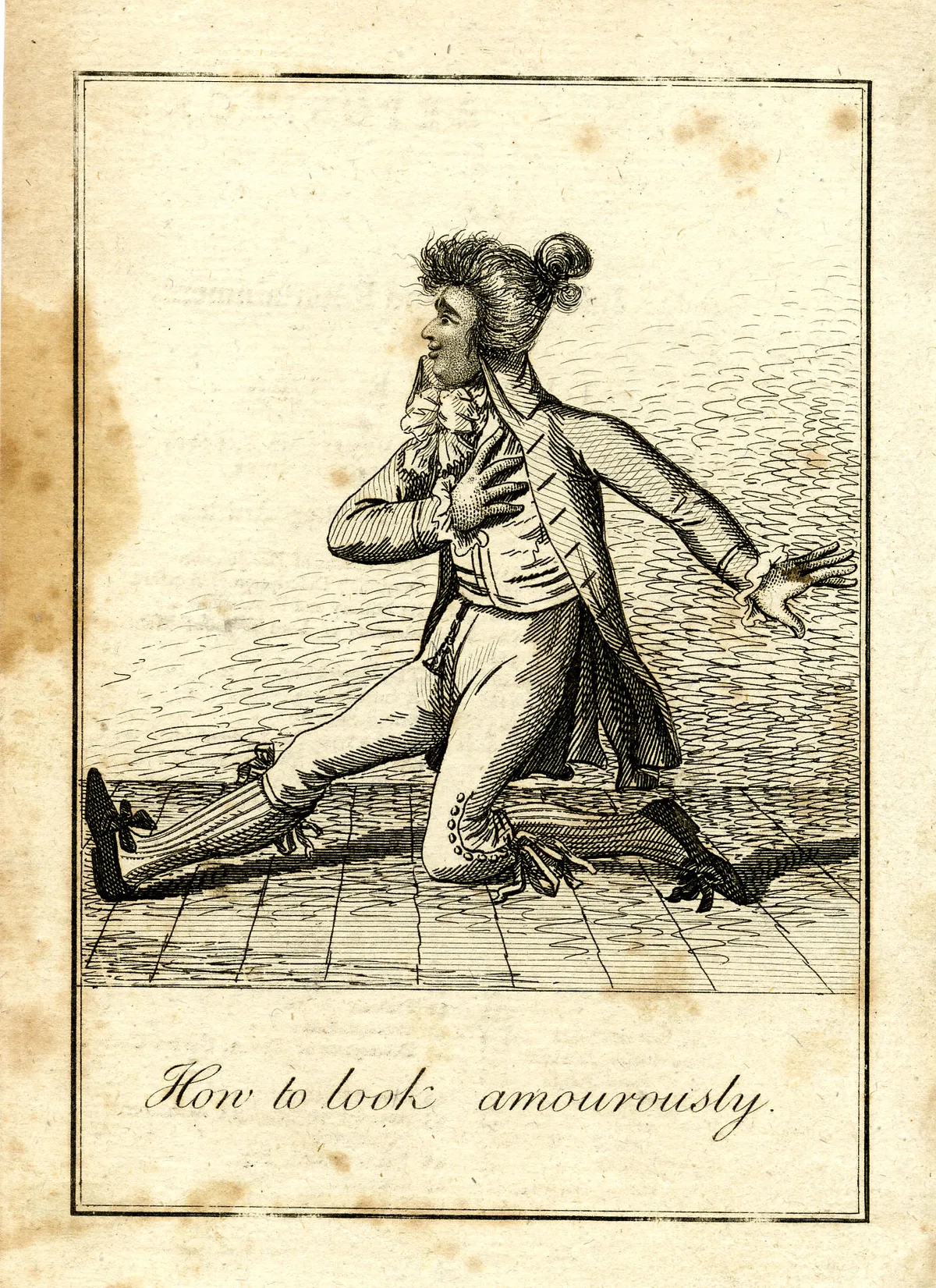
Looking at art is a skill, and most museum visitors never get taught it. The standard crawl—walk, glance, label, repeat—burns through a gallery in minutes and leaves almost nothing behind. A better method is slower and stranger: pick fewer works, stay longer, and ask a short set of questions in order.
The method below takes about ten minutes per artwork and works in any museum, on any kind of object, from a Renaissance panel to a video installation. It asks nothing of your prior knowledge. Merriam-Webster defines look as, in one sense, to "exercise the power of vision upon"—to examine rather than merely see. That distinction is the whole game. Seeing is passive; looking is work, and it can be learned.
Before the method, one practical note on volume. Museums are built to defeat attention. Galleries are sequenced for flow, walls are hung densely, and the exit pulls you forward. The single most useful decision a visitor makes is not which artwork to love but how many artworks to attempt. Five, examined properly, will teach you more than fifty glanced at.
Why does the standard gallery crawl fail?
Because it confuses coverage with attention. The crawl treats a museum like a checklist: get through the wings, hit the highlights, leave. Under that pressure, each artwork receives a two-second sample—big or small, colorful or not, familiar or not—and the brain files it accordingly. Nothing is actually seen. We covered a connected angle in Museum Trustees Explained: Give/Get, Conflicts of Interest and Who Really Runs the Museum.
There is a second failure mode, less discussed: the crawl can make even good art feel boring. When everything gets the same two seconds, everything reads the same. Visitors conclude the problem is the art, or themselves, when the problem is the method. Speed flattens difference, and difference is what art is made of.
The fix is counterintuitive. Do less. Choose a small number of works in advance or on arrival, and give each one real time. Ten unhurried minutes with a single painting beats an hour of drifting, and it is a skill that compounds: the more you look slowly, the faster your eye gets at finding what rewards it.
What is the ten-minute method for looking at a single artwork?
The method has five steps. Run them in order; the sequence matters, because early questions keep later ones honest.
- First contact (about one minute). Stand back and just look. No label, no phone, no audio guide. Notice your honest first reaction—boredom counts, irritation counts. Do not judge the reaction yet; record it.
- Inventory (two to three minutes). Describe what is literally there, out loud or in your head if the gallery is quiet. Colors, shapes, materials, scale, where the light seems to come from, what the surface is made of. This step sounds simple and is harder than it feels; most people skip straight to interpretation and miss half the object.
- Decisions (two minutes). Every artwork is a stack of choices someone made. Why this size? Why these colors and not others? Why this angle, this crop, this level of finish? Asking "why did the artist do it this way and not that way" turns passive viewing into active reading.
- Context (two minutes). Now read the label, the wall text, the date. Vocabulary.com notes that to look is to "perceive with attention"—and attention at this stage means checking what the museum itself tells you. Who made it, when, for whom, and what the curators chose to say about it. Museum text is an argument, not a neutral fact sheet; read it as one.
- Return (one to two minutes). Go back to first-contact distance. Has anything changed? Often the second look is where the artwork actually opens—the first look was preparation, not the event.
That is the whole method. It fits any object because it never assumes a style, a period, or a canon. A visitor who runs it on a bronze, a photograph, and an abstract canvas in one visit will finish with three genuinely known artworks instead of thirty half-seen ones.
What questions unlock a painting you don't understand?
"I don't get it" usually means "I haven't been given a question to ask." A short set works across most art:
- What is this made of, and does the material matter to the effect?
- What did the maker make easy, and what did they make hard?
- Where is my eye led first, second, third—and was that on purpose?
- What would change if one element were different: a color swapped, a figure removed, the scale doubled?
- What is this artwork for—devotion, decoration, protest, record, joke?
The last question is the most powerful and the least asked. Much confusion in museums comes from a mismatch of purpose: a visitor expects beauty from an object built as argument, or narrative from an object built as pure form. Identifying the artwork's job reframes everything else. If a work was made to unsettle, feeling unsettled is success, not failure.
A note on not understanding: it is a normal stage, not a verdict. Understanding tends to arrive on the second and third visit, not the first. Anyone who wants a second opinion on whether a show rewards the effort can check the publication's own reviews before or after a visit.
How should you plan a museum visit around slow looking?
Plan the visit the way the method implies: fewer rooms, more time, deliberate breaks.
- Pick a target before you enter. One wing, one period, or two or three specific works. Use the museum's website or collection database; many institutions now publish high-resolution images of holdings, a shift covered in Art Report's piece on open access collections. Previewing images online means less time hunting and more time looking.
- Budget attention, not just hours. If the visit is two hours, plan roughly six to eight artworks through the full method, plus unstructured wandering. The wandering matters—serendipity is real—but it should be the dessert, not the meal.
- Sit when you can. Benches exist for a reason. A painting viewed for five seated minutes often yields more than ten standing ones, because the body stops negotiating with its feet.
- Leave before fatigue. Attention is a budget that runs out. A short, sharp visit beats a long numb one, and it protects the memory of what you did see. Ticketing choices—timed entry, pay-what-you-wish hours, return visits on one pass—are laid out in Art Report's guide to museum ticket pricing, and they shape how much looking a visit can hold.
One more habit worth building: look at the frames, the vitrines, the wall color, the hang. Museums are authors too. Noticing how an institution stages its objects—what is spotlighted, what is buried in the back rooms—adds a second layer to any visit and connects the viewing experience to how museums operate behind the scenes, from acquisition to display.
What this means for your next visit
Our analysis of the method is that its real product is not appreciation but discrimination. After a few slow-looking visits, visitors start to notice the difference between works they like and works that hold up under questioning—and those two groups are not always the same. That gap is where genuine taste forms. It is also where the habit starts to pay off beyond the museum: the same inventory-decisions-context sequence works on architecture, film, book design, almost any made thing. Readers following this should also see Museum Ticket Pricing Explained: Free Admission, Paid Entry and the Dynamic-Pricing Debate.
The evidence for the method is experiential rather than statistical, and it is honest to say so. No controlled study in the supplied material measures slow looking against the gallery crawl. What supports the approach is structural: attention is finite, museums are dense, and a method that allocates attention deliberately will beat one that spreads it evenly across everything. The unknown is personal—how much time your own eye needs before a work opens. Only visits can answer that.
Start small. One visit, five works, ten minutes each. Bring the questions written down if it helps. The art has been waiting; it is very patient, and it does not mind how long you take.