Salem, Massachusetts, has serious museums well beyond its witch-trial tourism, and October is both the best and the worst month to see them. The city's art and maritime collections—anchored by a major art museum and a national historic park on the waterfront—stay open through the fall crush. The trick is timing: go early in the day, midweek if possible, and treat the haunted attractions as scenery rather than the destination.
The scale of the seasonal surge is hard to overstate. According to Destination Salem, the city's official tourism office, October brings Salem Haunted Happenings, a month-long festival season, along with planned road closures and parking restrictions announced by the mayor's office each fall. Streets that are easy to walk in June become slow rivers of visitors in late October. The museums, meanwhile, hold their collections in relative calm.
This guide explains what those collections are, why they matter, and how to build a day around them when the city is at its busiest. For readers new to looking at art, our How to Look at Art: A Beginner's Method for Any Museum offers a simple approach that works in any gallery, crowded or not.
What are Salem's serious museums, and what do they hold?
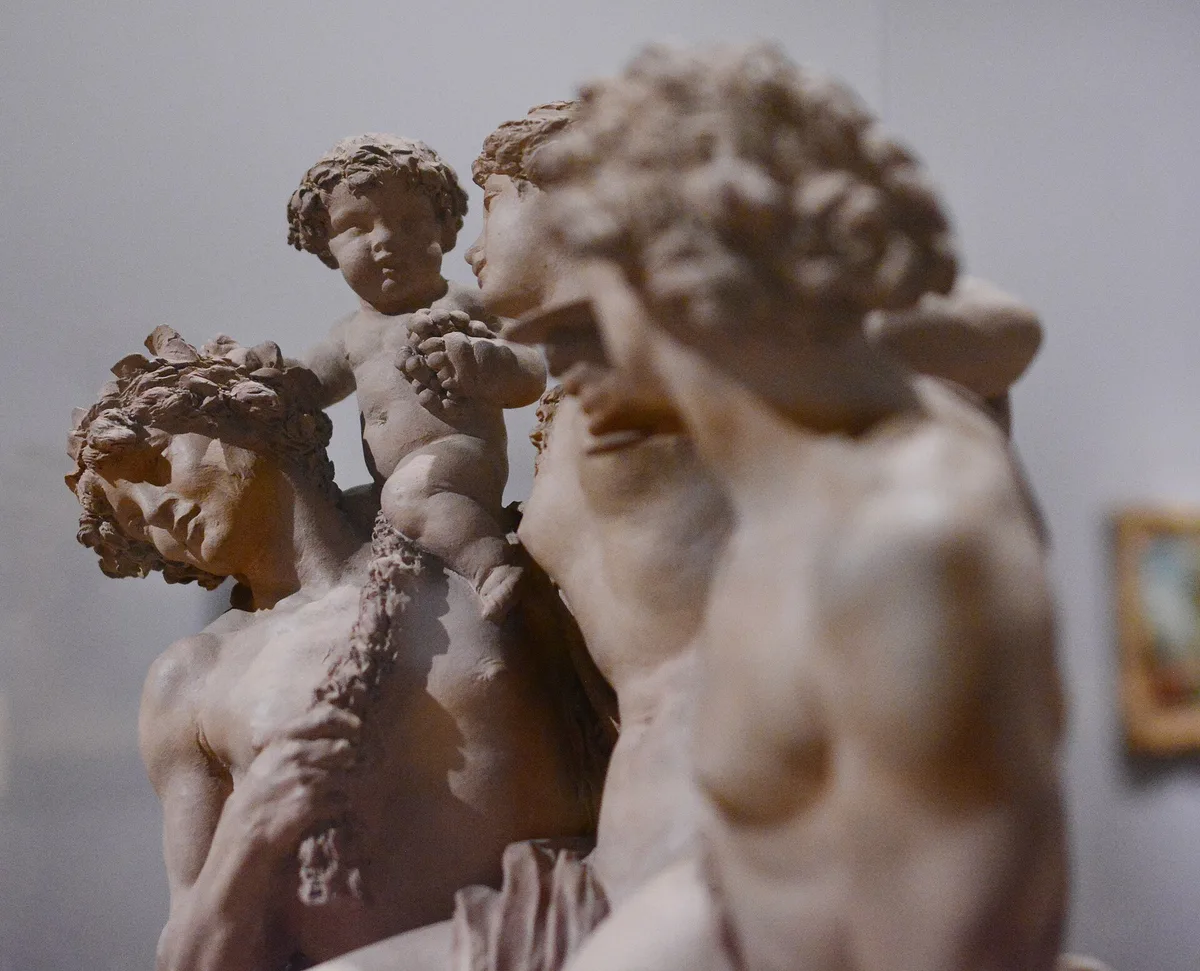
The anchor institution is the Peabody Essex Museum, one of the oldest continuously operating museums in the United States and the largest art museum in the region outside Boston. Its collections grew out of the East India Marine Society, founded in 1799 by Salem sea captains who brought back objects from their voyages. That origin shapes the museum's character: maritime paintings, Asian export art, and works collected from China, Japan, India, and the Pacific islands sit alongside contemporary art in a modern building. We covered a connected angle in Museum Ticket Pricing Explained: Free Admission, Paid Entry and the Dynamic-Pricing Debate.
The Peabody Essex is a genuine encyclopedic museum by regional standards, with a curatorial staff and rotating special exhibitions, not a single-room attraction. Visitors who know Salem only for its 1692 history are often surprised by the breadth. A second major draw is the Salem Maritime National Historic Site, a unit of the National Park Service on the Derby Street waterfront, where historic wharves, a merchant's house, and a custom house interpret the port's shipping economy. The House of the Seven Gables, the 1668 mansion made famous by Nathaniel Hawthorne's novel, adds a literary and architectural layer, with a settlement-house history on the same campus.
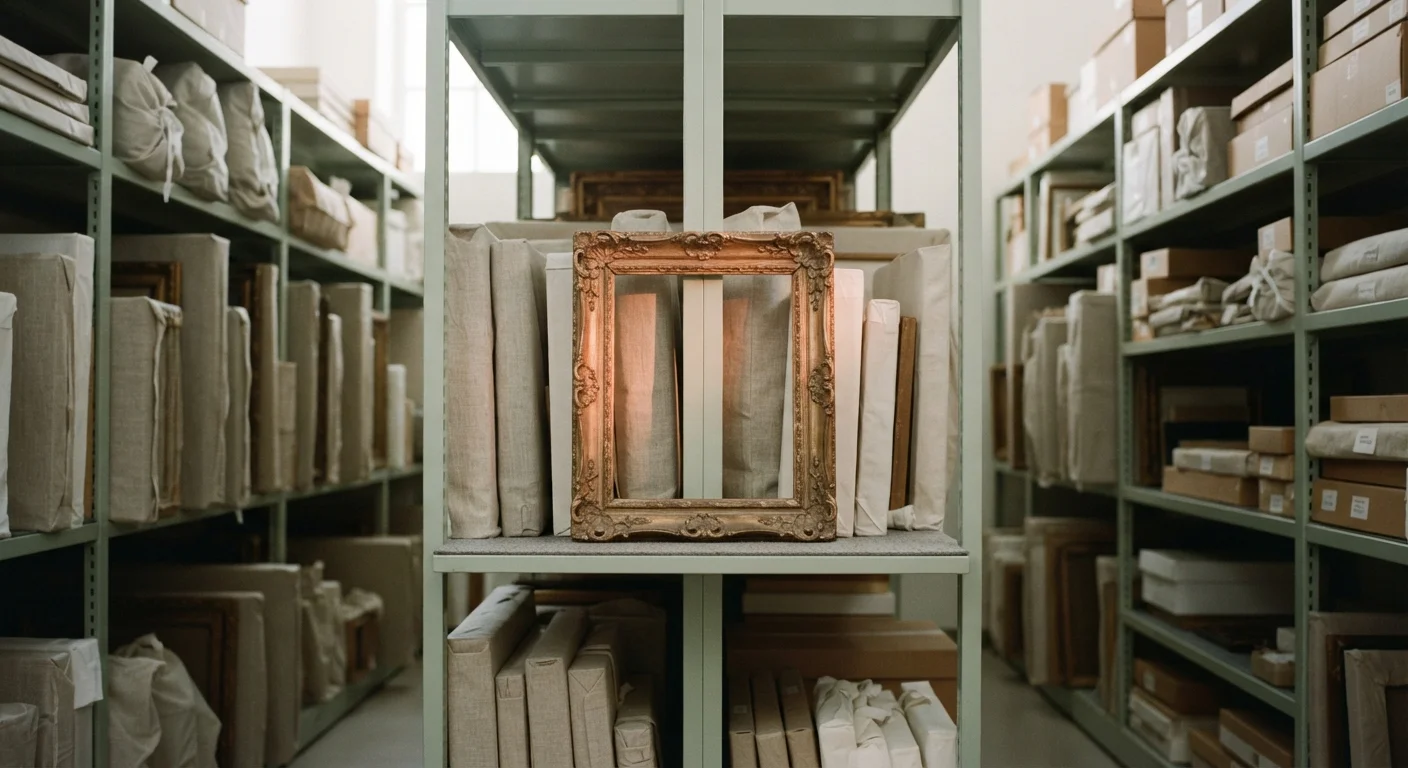
Smaller sites round out the picture. The Witch House, the former home of a judge connected to the 1692 trials, and the Phillips Library's long association with the Peabody Essex reflect the city's layered archival record. None of these require more than a couple of hours each, which is exactly what makes a well-planned day work.
Why is October both the best and worst time to visit?
October is when Salem is most alive and most crowded. The city leans into the season with events, costumed visitors, and heavy foot traffic downtown. Destination Salem's guidance for the month emphasizes preparation: the city may close certain roads to vehicle traffic as downtown streets become busier, and officials publish planned closures and parking changes ahead of time. In practical terms, driving into the center of Salem on a peak October weekend is a poor plan.
The same crowds, though, create the atmosphere many travelers want. The museums stay open and generally absorb visitors better than the street attractions do, because timed ticketing and gallery space spread people out. The worst congestion concentrates on weekend evenings and the final week of the month. A weekday morning in early or mid-October offers a reasonable compromise: enough festival energy to feel the season, thin enough crowds to stand in front of a painting.
One more practical note from the city's own guidance: Destination Salem publishes information on where to catch a rideshare or taxi during October, precisely because road closures complicate pickups. Checking that page before you travel saves real time.
How should you plan a day around the crowds?
A workable structure is simple and flexible:
- Book museum tickets in advance. Timed-entry admission is common at Salem's major sites during October, and walk-up availability shrinks as the month goes on. Our explainer on museum ticket pricing covers how timed entry and dynamic pricing work more broadly.
- Go early, go midweek. The first hours after opening are reliably the quietest. Save the waterfront stroll for the afternoon, when the museums are fuller anyway.
- Park once, walk everywhere. Salem's historic center is compact. With road closures likely, a garage at the edge of downtown plus walking beats circling for street parking.
- Pair one big museum with one small site. The Peabody Essex deserves two to three hours. Pairing it with the Salem Maritime site or the House of the Seven Gables makes a full but unhurried day.
- Eat off the main drag. Restaurants within a block or two of the busiest corners fill fast; a short walk toward the water usually means a shorter wait.
What this means in practice is that the crowds shape logistics, not the quality of the visit. The galleries do not care what month it is.
What does the maritime and Asian export art actually tell you?
Salem's collections are a record of global trade, and reading them that way makes the visit richer. The sea captains who founded the East India Marine Society collected as they traded: ceramics made in China for Western markets, textiles, natural-history specimens, and paintings of the ships that carried all of it. The museum's maritime canvases—ship portraits, harbor scenes—document an economy that made Salem one of the wealthiest ports in the early United States.
That history has a difficult side, and good museums now address it. Trade with Asia in this era rested partly on the opium trade and on colonial extraction, and exhibitions increasingly acknowledge the conditions behind the objects. Visitors interested in how collections were built, and at what cost, will find our coverage of provenance research in museums a useful companion. The same critical lens applies to any collection assembled through empire.
For a different register, the contemporary galleries show living artists, often in dialogue with the historical holdings. This pairing—old and new in one building—is the museum's real argument for itself, and it is the part most day-trippers miss when they budget only an hour.
Should you skip the witch-trial sites entirely?
No, but calibrate expectations. Salem's 1692 history is genuinely significant—the trials remain a touchstone in American legal and religious history—and the city's memorial to the victims near the Charter Street Cemetery is a place for quiet attention, not entertainment. The commercial haunted attractions are a different category: fun for some visitors, but they are not museums and should not be treated as history.
A balanced day might look like this: the memorial and cemetery in the morning, the Peabody Essex through midday, the Salem Maritime site in the afternoon, and the festival atmosphere after dark if you want it. That sequence puts history first and spectacle last, which is also the order in which the crowds build.
Our analysis: Salem's museums are underrated precisely because the city's fame rests on a single season. The institutions hold collections of national importance, and they are most enjoyable when the haunted economy is at full volume around them. Plan for the crowds, and the art is easy to reach.
The takeaway
Salem in October rewards preparation. Book timed tickets, arrive early, check the city's road-closure and rideshare guidance before you travel, and give the major collections the hours they deserve. The witch-trial history is the reason most people come; the maritime and Asian export collections, and a strong regional art museum, are the reasons to come back in a quieter month.