Reviews: Tested and Rated
Verdicts written after visiting, covering curatorial argument, installation quality, lighting, sequencing and value for the admission price. Praise and complaint are both specific. Written for people deciding between two shows on a Saturday and for readers who want criticism that commits to a position.
Reviews
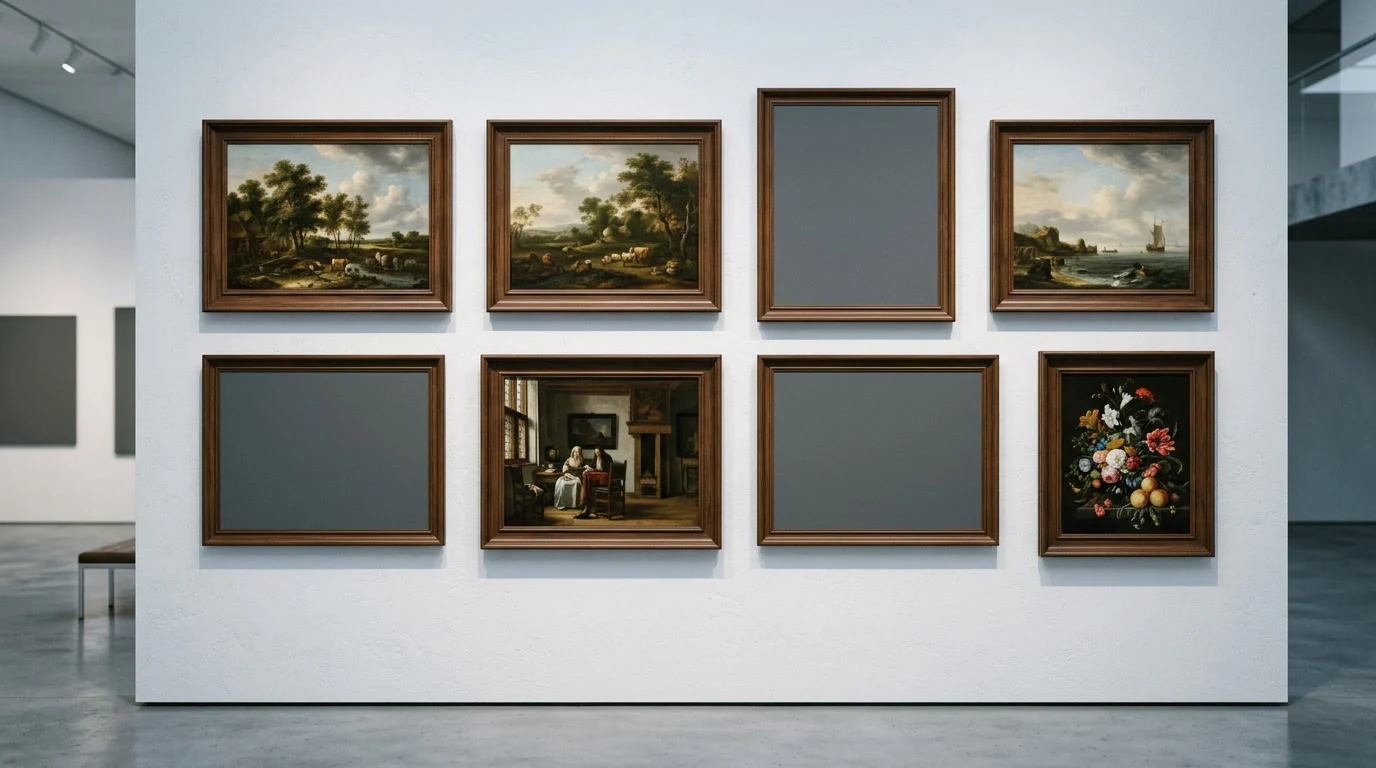
How Art Criticism Gets Its Pictures: Open Access, Fair Use, and the Living-Artist Problem
Museum open access programs have released millions of images for unrestricted reuse — all of them public domain. That single boundary decides which exhibitions reviews can actually illustrate.

Reviews
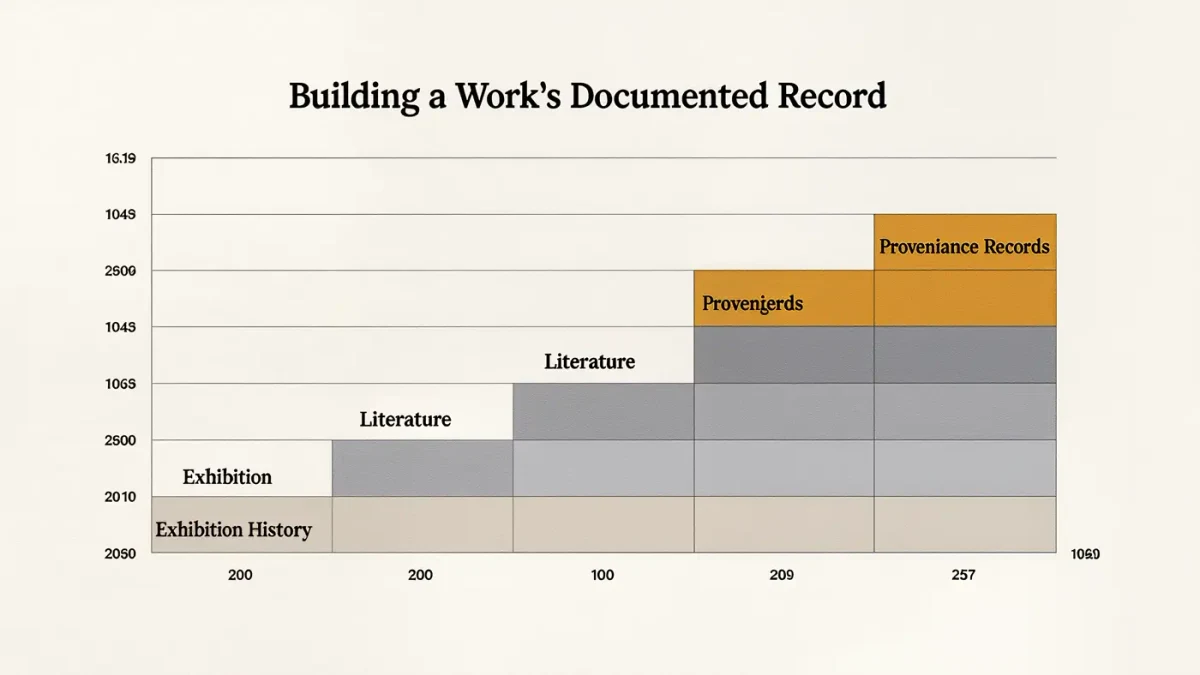
Why Exhibition Catalogues Matter: How Documentation Builds — and Sometimes Becomes — an Artwork's Market History
The exhibition catalogue is the paper infrastructure of value: the citations, reproductions and scholarly entries that turn a private object into a work with a public record, and a quiet asset class of its own.
Reviews
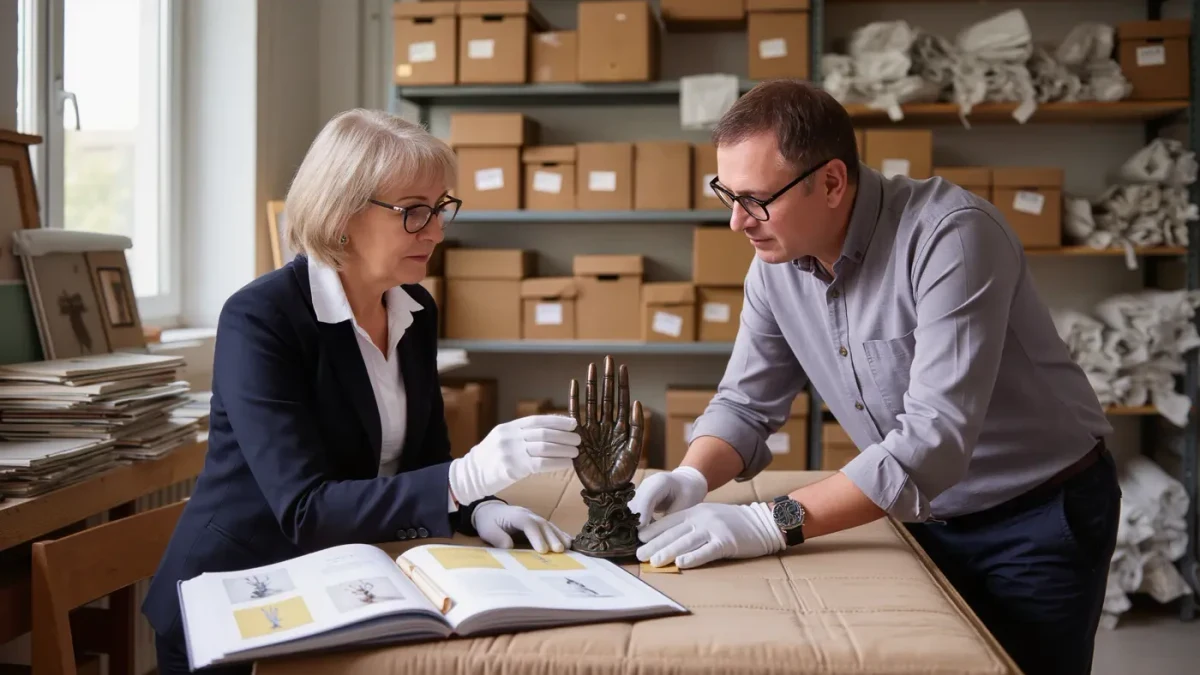
Art Appraisal Explained: Who Values Your Collection, How USPAP Works and Why the Insurance Number Isn't the Sales Number
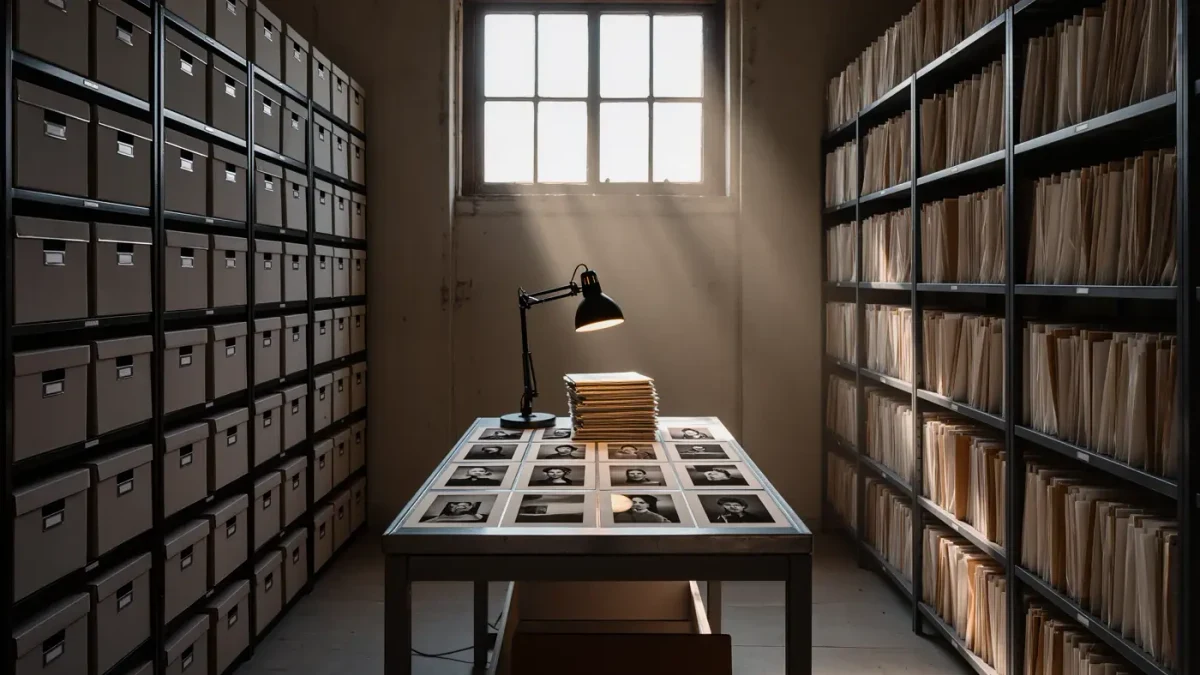
An appraisal is a defensible opinion of value prepared for a stated purpose — insurance, tax, estate or sale — and the number changes with the question, which is the fact that surprises collectors most.
Reviews
How Art Authentication Actually Works: Artist Foundations, Independent Experts and the Courts
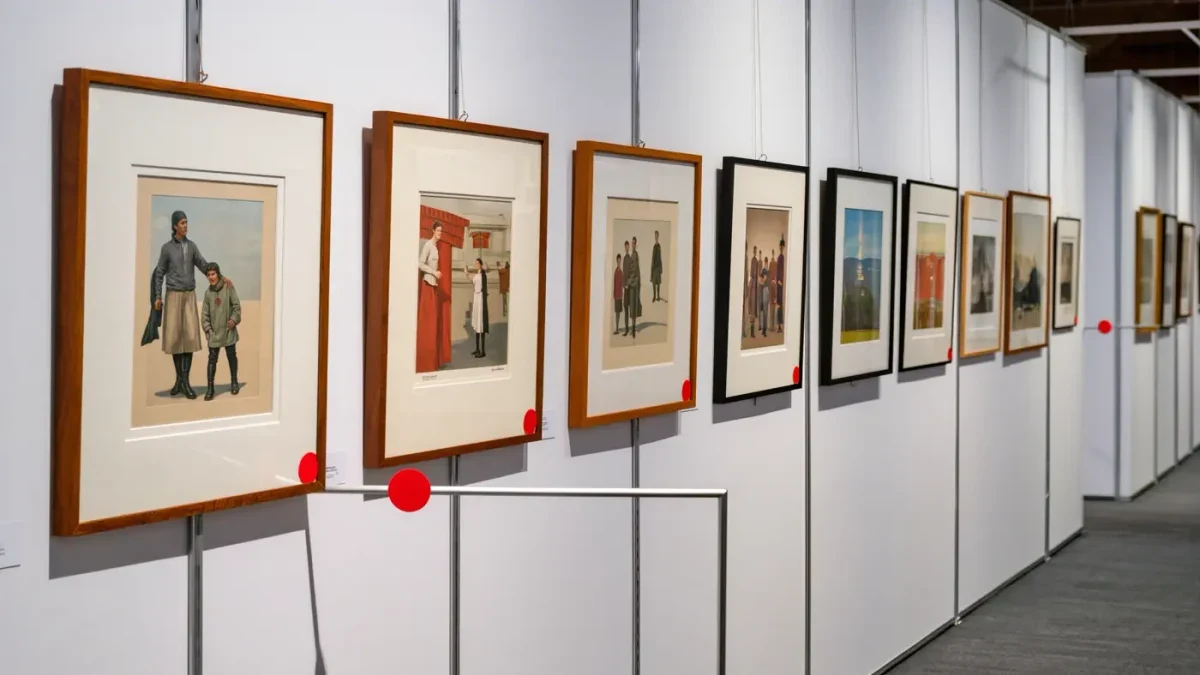
Authentication is the market's least standardized process — a shifting combination of foundations, catalogue raisonné committees and litigation, in which a refusal to opine is often as informative as a certificate.
Reviews
How to Walk an Art Fair: Sections, Stands and the Questions Worth Asking a Dealer Before You Buy
A fair compresses two hundred galleries into a few hours of aisle time — the collectors who get the most out of it arrive with a plan, read the sections like a map and know which questions unlock information dealers withhold by default.
Reviews
Museum Surveys and Retrospectives: How the Big Shows Are Built and What They Do to an Artist's Market
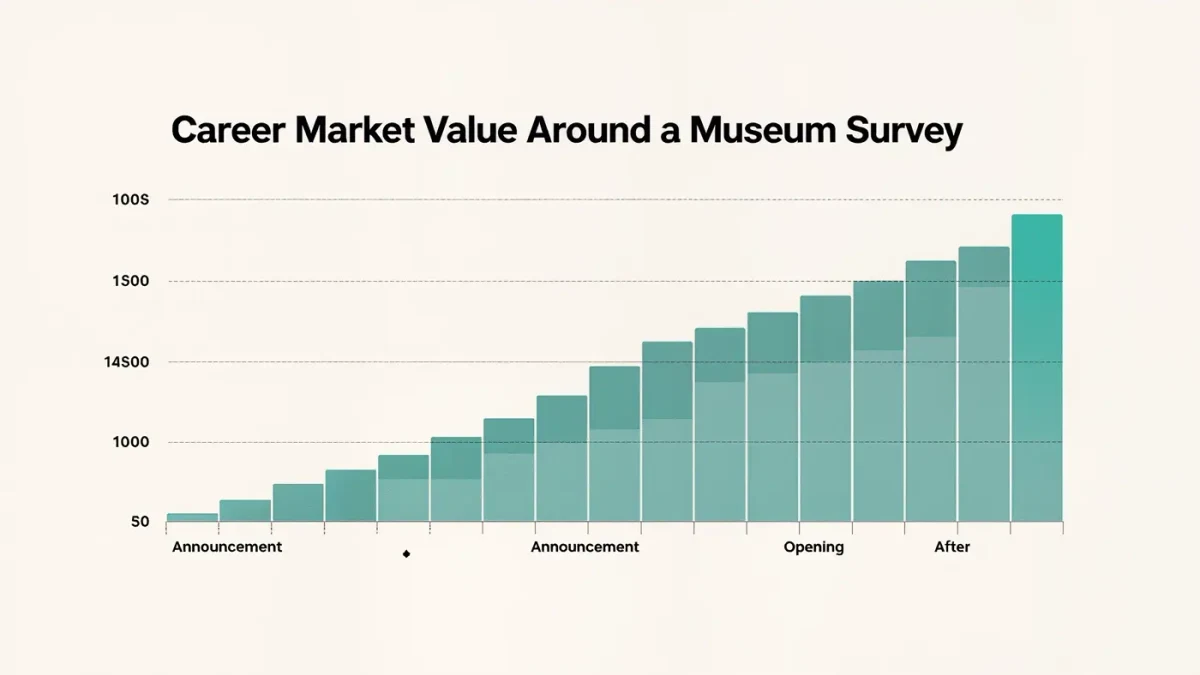
The survey is the museum's mid-career vote of confidence and the retrospective its final draft of history — between them they are the strongest non-price signal the art market has.

Reviews
How the Biennale Format Works: Venice's Model, the Curator's Bet, and What Critics Actually Measure
A biennale is a curatorial hypothesis tested on several hundred artists at once — the largest argumentative genre in art, and the one whose real product is narrative rather than sales.

Reviews
Condition Reports Explained: What to Check Before You Buy a Work of Art and What Restoration Does to Value
The condition report is the least glamorous document in a transaction and the most consequential — a disciplined accounting of damage, repair and intervention that can swing a work's value by half.