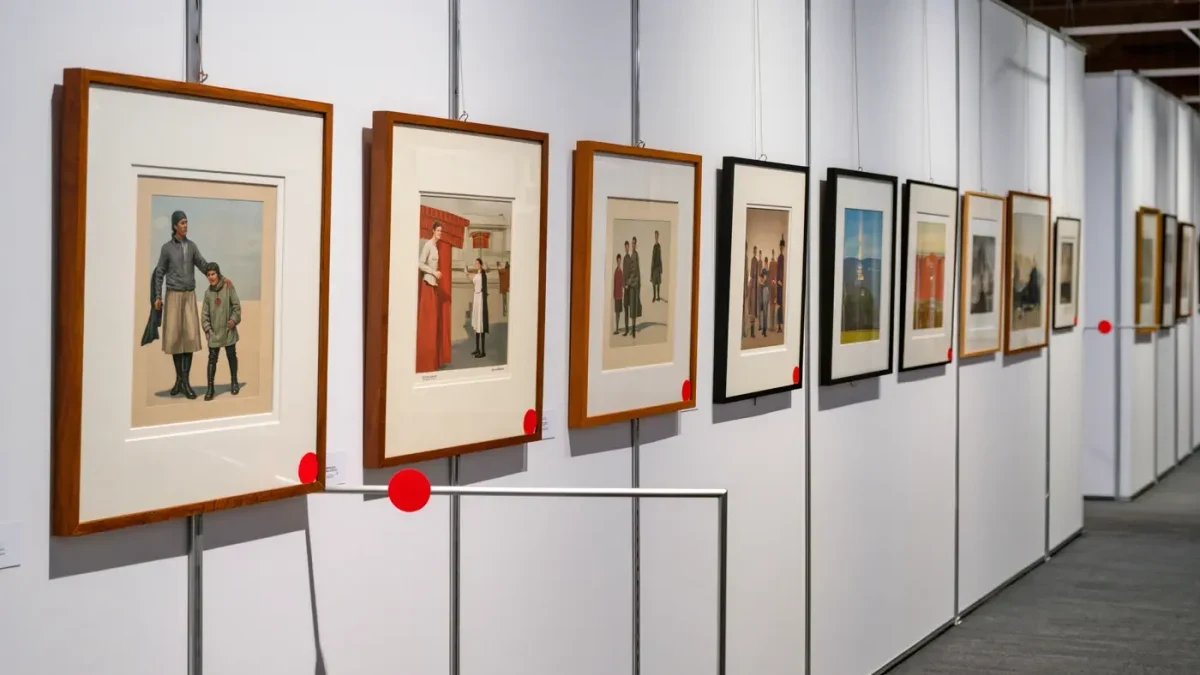
Verdicts written after visiting, covering curatorial argument, installation quality, lighting, sequencing and value for the admission price. Praise and complaint are both specific. Written for people deciding between two shows on a Saturday and for readers who want criticism that commits to a position.
A fair compresses two hundred galleries into a few hours of aisle time — the collectors who get the most out of it arrive with a plan, read the sections like a map and know which questions unlock information dealers withhold by default.
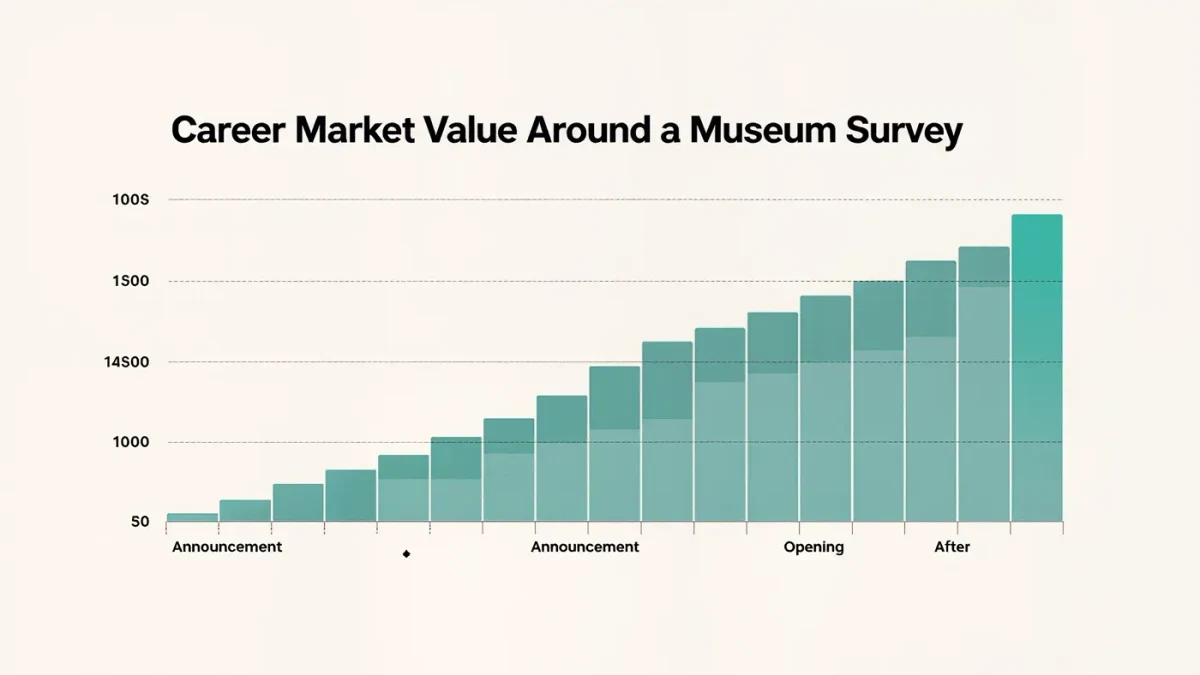
The survey is the museum's mid-career vote of confidence and the retrospective its final draft of history — between them they are the strongest non-price signal the art market has.
A biennale is a curatorial hypothesis tested on several hundred artists at once — the largest argumentative genre in art, and the one whose real product is narrative rather than sales.
The condition report is the least glamorous document in a transaction and the most consequential — a disciplined accounting of damage, repair and intervention that can swing a work's value by half.
Auctions offer transparency and adrenaline at retail-plus prices; galleries offer vetting, placement and primary access at list price — the intelligent collector uses both, in the right order.
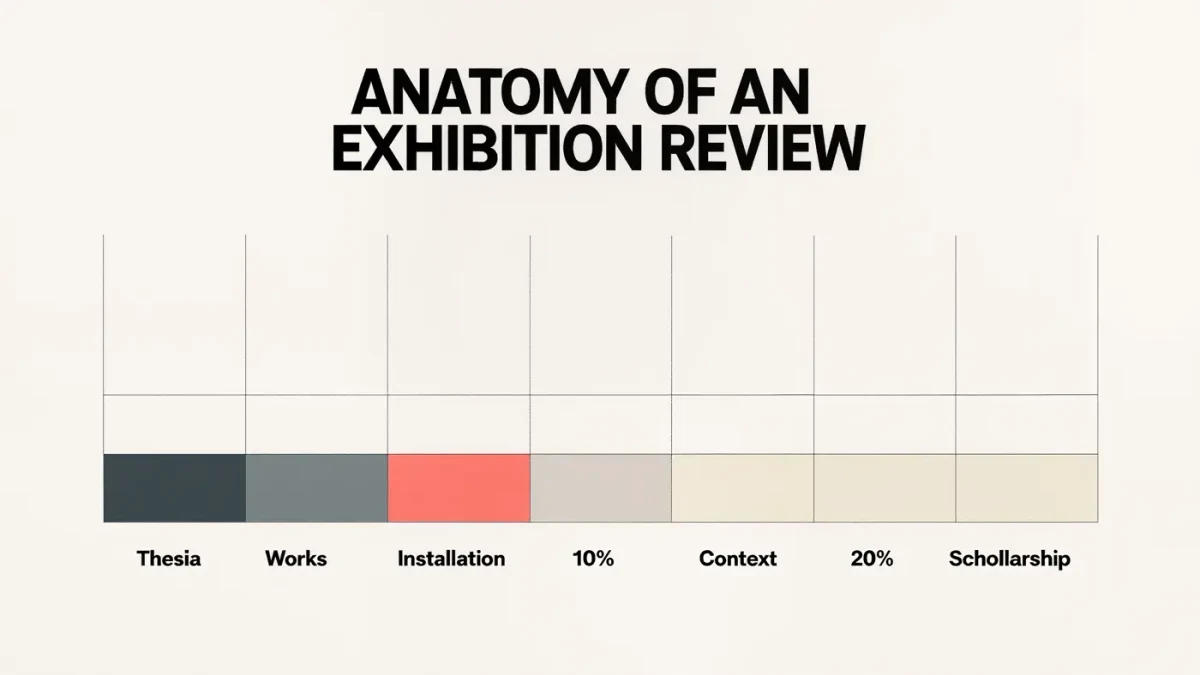
A good review is not opinion decorated with adjectives — it is an argument tested against the work's ambition, its execution and its context, and the criteria are more legible than most readers think.
An auction result is three numbers wearing one trench coat — estimate, hammer price and the total with fees — and knowing which one the press quoted tells you everything about the spin.