How should you actually walk an art fair? With a map, a hierarchy and restraint. The major international fairs — the Art Basel and Frieze franchises foremost — are structured environments: main sections of established galleries, curated or discovery sections for younger programs, and satellite zones for editions and regional scenes. The fair publishes its section logic in advance, and reading it before arriving is the difference between a research trip and six hours of ambient walking. The point of the exercise is not to buy what stops you in the aisle; it is to compress a year of gallery-visiting into a week and leave with information — a shortlist, prices asked, and the beginnings of relationships that determine access later.
Read the Sections Like a Map
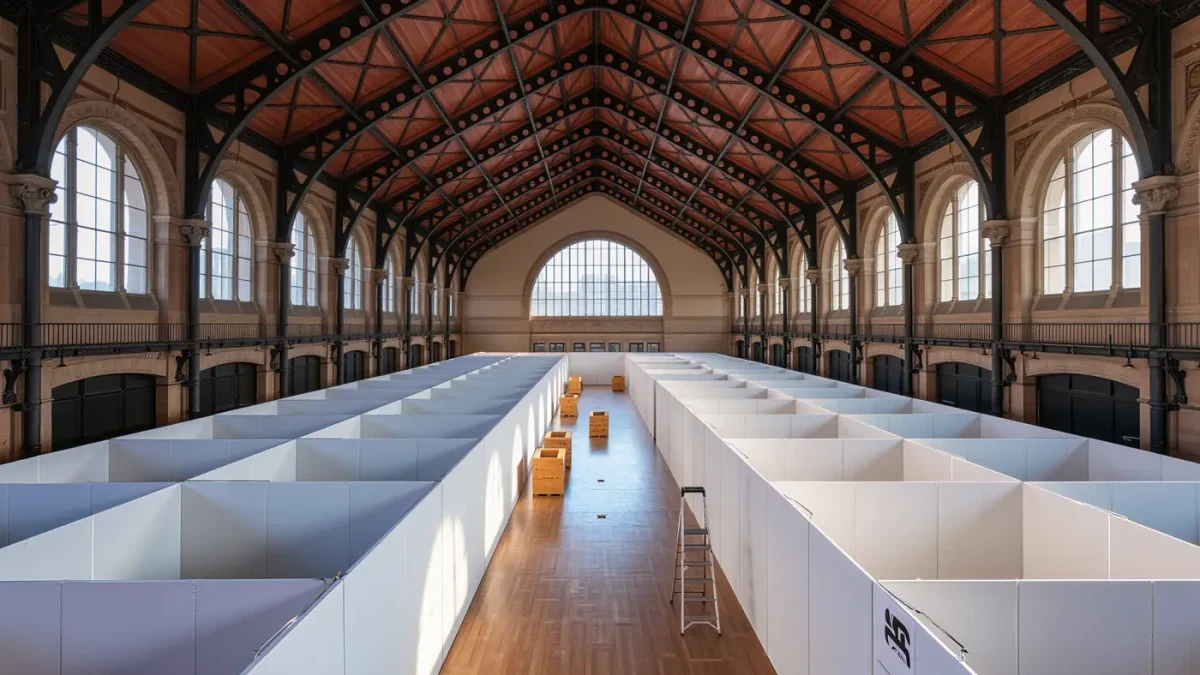
The section structure is the fair's editorial layer, and it encodes market tiers. The main gallery section is the blue-chip core: known programs, inventory priced accordingly, booths built around a single strong statement wall. Curated feature sections — typically theme- or generation-based — are where the fair's selectors flag programs they consider significant, and where price levels run a tier below the main floor. Discovery or emerging sections carry the youngest galleries and the lowest prices, plus the highest variance. Editions and published-work sections offer the cheapest legitimate entry points into name artists. Walking order is a personal matter, but the professional default is to sweep the whole floor once without buying, then return; a work that still occupies your head after two hours of everything else has passed a real test.
How to Read a Booth
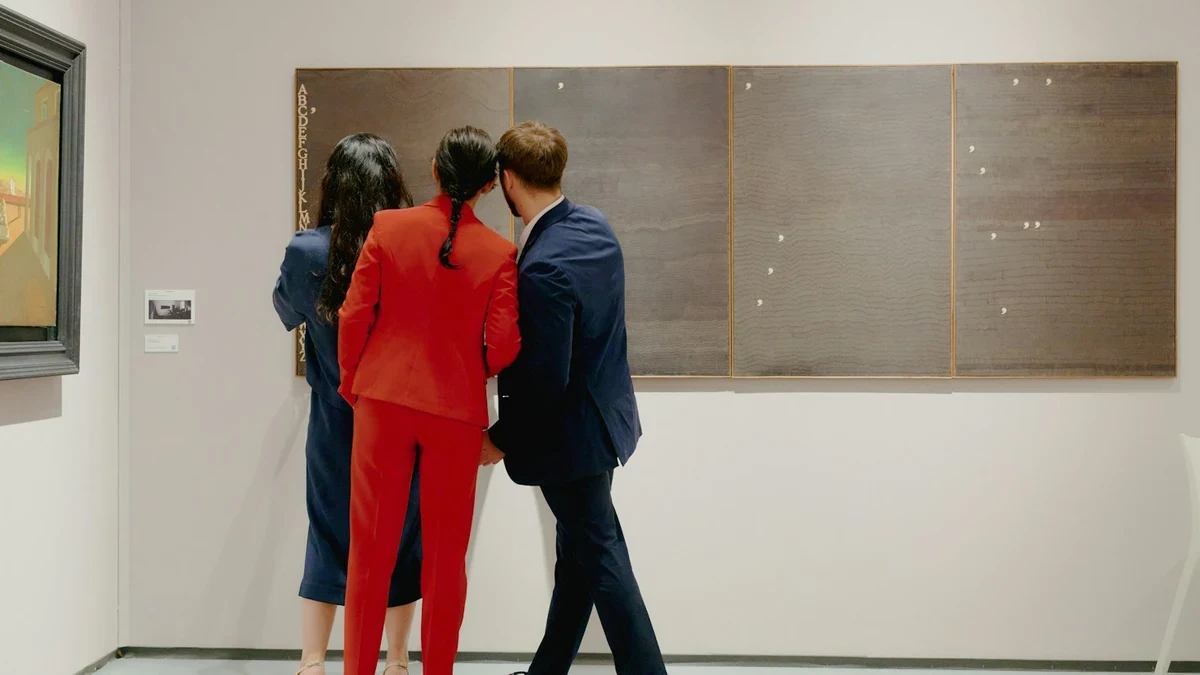
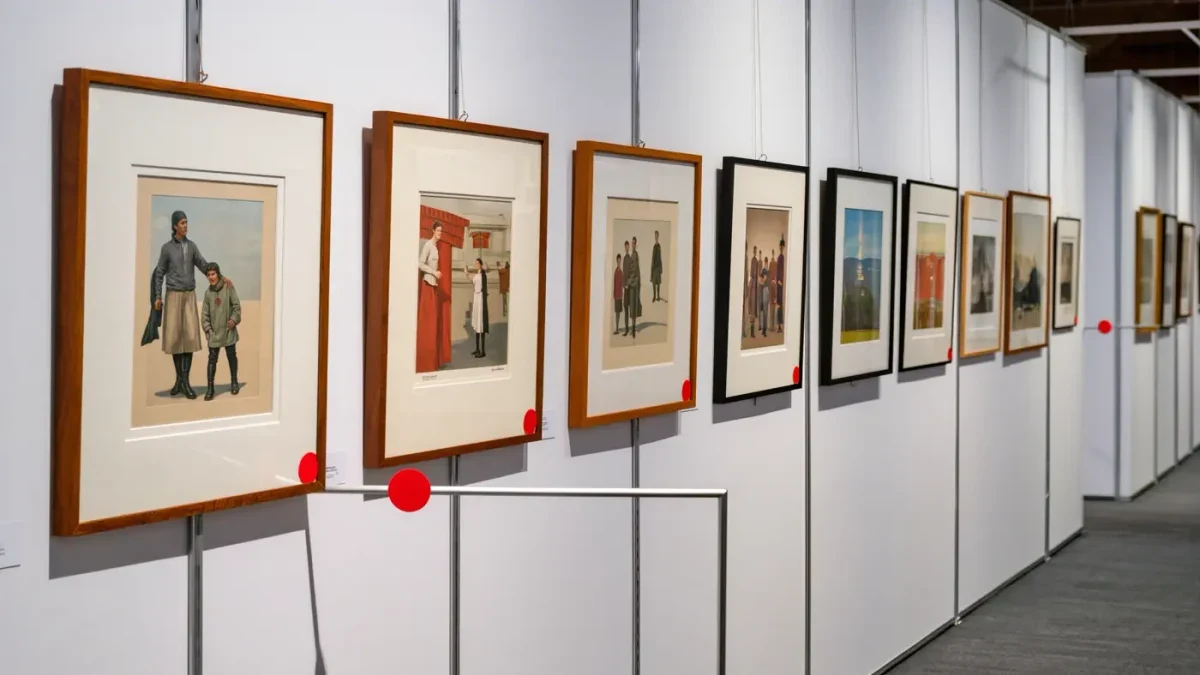
A booth is a compressed program statement. The solo-presentation booth — one artist, walls built out — signals a gallery investing in a single career, often timed to institutional news; the group booth is a portfolio display; the cabinet or corridor booth with secondary-market trophies signals a dealer trading rather than developing. Notice what is reserved: works with red dots sold, yes, but also works marked on request or held — the theater of scarcity is part of the format. Notice placement, too: the artist on the outer wall of a corner booth is being promoted this season; the one in the back rack is inventory.
Questions worth asking a dealer
- What is the price? Always ask directly. Primary prices are fixed, but asking early establishes you as a buyer rather than a visitor, and at the top of the market the answer is occasionally negotiable in kind — payment terms, placement, a commitment to lend the work to a museum.
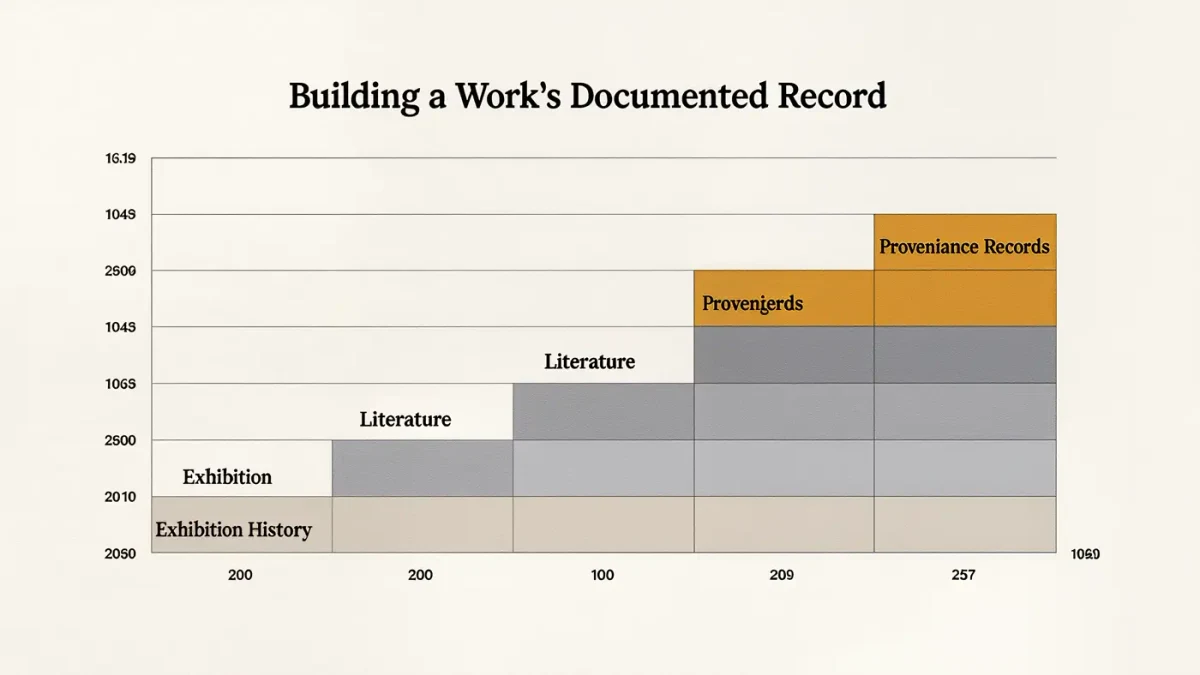
- What is the artist's exhibition history and what is coming? The dealer knows the institutional pipeline two years out; a scheduled survey is the single most price-relevant fact that can be shared.
- Who else is looking at this work? The honest answers are informative, even when the dealer is performing demand — hold requests are the fair's version of an auction underbidder.
- What is the edition or uniqueness situation? For editions: size, number of proofs, whether the edition is sold out and where the artist's other works in it sit.
- What are the installation, condition and care requirements? Materials, fragility, maintenance — the question that marks you as a serious custodian rather than a flip risk.
- May I see the cv and a condition report? Documentation on request is the dealer's job; hesitation is data.
Fair-Walk Logistics That Actually Matter
Go on the first preview day if access allows: the selection is intact, the dealers are fresh, and the market's real business concludes before the public enters. Photograph everything with the booth number visible — after two hundred stands, memory is a rumor. Take notes on prices as asked, because the fair is the only place the opaque primary market briefly becomes comparable in person: the same artist's work across three booths, priced three ways, is a free lesson in how pricing actually works. And talk to more dealers than you intend to buy from — the relationships are the asset; the work is the receipt.
The Discipline Checklist
- Sweep once, shortlist, return — no first-pass purchases.
- Verify the artist's cv independently after the fair; booths summarize favorably.
- For anything above a comfort threshold, condition and authenticity documentation in writing before wiring money.
- Remember the invoice, not the conversation, governs — price, edition details and shipment terms belong on paper.
- Budget for the aftercare: framing, shipping, insurance from the moment of sale.
The Fair as Market Instrument
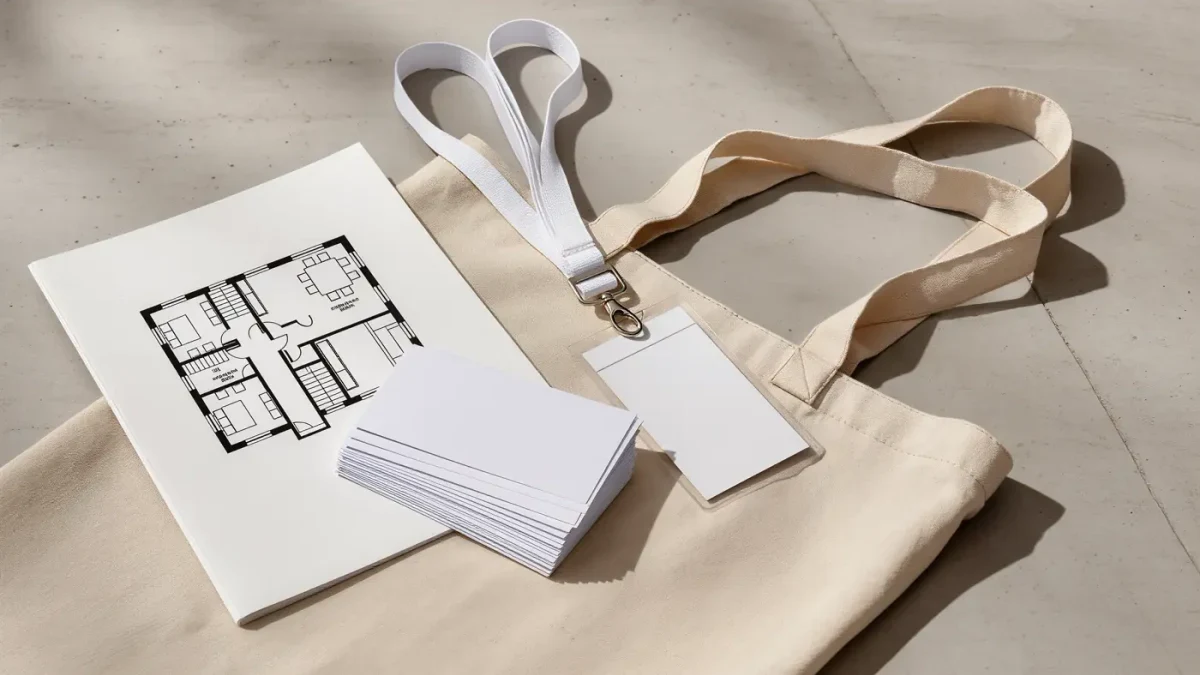
It is worth being clear-eyed about what the fair is for its participants, because that determines what you see. For galleries, the booth fee at a top fair runs well into six figures once walls, shipping, staffing and flights are counted — a bet that the concentrated presence of the world's buyers in one hall for four days justifies a quarter's overhead. That economics explains the booth strategies: the blue-chip gallery hanging a single monumental work is advertising its program's tier, not expecting an impulse purchase; the young gallery in the discovery section with thirty modestly priced works is running a volume-and-relationships business where selling out is survival. For the fair itself, the product is the audience: galleries pay for calibrated access to vetted wealth, which is why the VIP stratification — first-preview tiers, collector badges, museum-patron lanyards — is the fair's real org chart. Knowing this lets you read the floor like an analyst rather than a tourist: booth allocation, wall real estate and pricing are all published data about how the industry rates itself, refreshed twice a year, free for anyone paying attention.
What Not to Do
The fair's failure modes are as standardized as its sections. Buying on the first pass, in the first hour, off adrenaline. Confusing booth price with market value for artists whose secondary results sit below list. Treating a red dot as due diligence. And the cardinal sin: wiring money against a handshake, without an invoice specifying edition, condition and shipment. The fair rewards the collector whose enthusiasm survives a second lap — everything else is theater with a lanyard.
FAQ
What is the difference between fair sections?
Main sections hold established galleries at full booth scale; curated sections are selector-flagged thematic or generational presentations; emerging or discovery sections carry younger programs at lower price levels. The section a booth sits in is itself market information about the gallery's tier.
Do you have to be a VIP to buy at a fair?
No, but it helps. Preview-day access means first choice of inventory, since significant sales routinely conclude during VIP hours before the fair opens to the public. Anyone can buy during public days; the selection is simply thinner.
Are prices at fairs higher than in galleries?
Primary prices are the same — galleries do not undercut their own list. What differs is selection pressure and the occasional fair-context premium for unique secondary-market works, where booth visibility and competition can support the top of an asking range.
Can you negotiate at an art fair?
On primary work, rarely on price but sometimes on terms — payment schedules, museum lending commitments, priority for future works. On secondary-market booth inventory, negotiation is ordinary. The instrument of negotiation is seriousness: dealers move for collectors they believe will keep the work.
What should I do right after the fair?
Verify cvs independently, request condition and authenticity documentation in writing, confirm invoice details including edition numbers and shipment terms, and follow up with the galleries whose programs interested you even where you did not buy — that follow-up is the beginning of the access that makes the next fair easier.