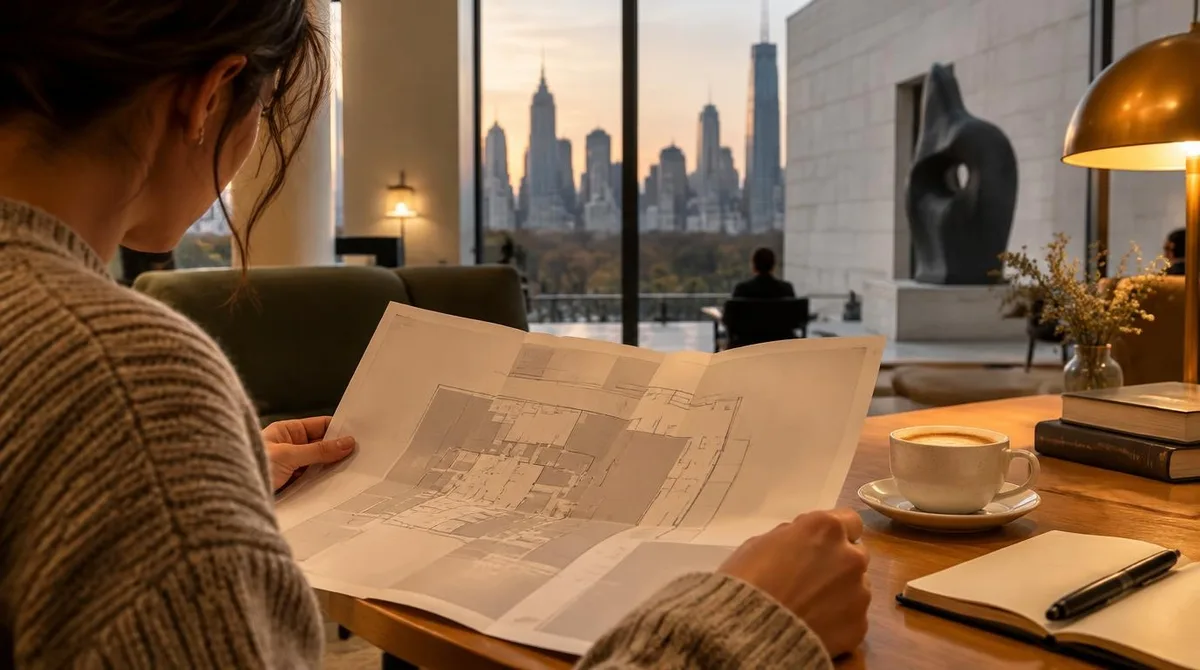
The Museum of Modern Art is the institution that gave the twentieth century its canonical story, and a visit rewards a plan. The museum of modern art experience is not a single afternoon of wandering; it is a building organized by ideas, floors and decades, and the visitors who get the most from it decide in advance what they came to see. The single most useful qualification: no one sees all of it in one trip, so the goal is a coherent slice, not the whole.
This guide covers how the building is organized, how to sequence a visit, what to do about crowds and tickets, and how to leave with something more than photographs of famous paintings. It is written for a first-time visitor and for the repeat visitor who suspects there is a better way to spend three hours than following the crowd from icon to icon.
How is the Museum of Modern Art organized, and why does it matter?
MoMA's galleries are arranged roughly by floor and chronology, with the earliest modern movements on the upper floors and contemporary work closer to the ground. That vertical sweep is the museum's implicit argument: modern art as a story with a beginning, told in an order you can walk. Knowing the shape of the building lets you choose whether to follow that story or drop into a single floor and stay there.
The practical consequence is simple. If you want the historical arc, start high and descend. If you want contemporary painting, video and installation, start low. Either way, the museum's own floor plans and collection pages, checked shortly before your visit, are the reliable map; galleries rotate, and works you read about online may be off view or on loan when you arrive. Collection displays change often enough that a guidebook from a few years ago is a guess, not a plan.
What should a first-time visitor actually see?
A first visit works best as a short list of five or six works, chosen from the museum's online collection pages, plus one floor explored without an agenda. The short list keeps you moving with purpose. The unscripted hour is where MoMA surprises you, because the collection holds far more than the handful of paintings that appear on postcards.
Resist the urge to treat the famous works as a checklist to be photographed. Stand in front of each one long enough to notice what reproductions flatten: scale, surface, and the way a painting holds the wall of a room rather than a screen. If you want a method for that kind of looking, our guide to How to Look at Art: A Beginner's Method for Any Museum offers one that travels well from any building to this one.
It is also worth remembering what kind of institution you are inside. MoMA is a collecting museum, which means what you see arrived through purchases, gifts and bequests, each with its own rules and politics. Our explainer on how museums acquire artworks explains that pipeline, and it explains why the walls look different from one visit to the next.
How do you handle tickets, timing and crowds?
Timed tickets, advance booking and weekday mornings are the standard levers, and MoMA uses most of them. The details change: pricing, free-hours policies and timed-entry rules are all the kind of figures that shift year to year, so treat this guide as the framework and the museum's own ticketing page as the numbers. Our broader piece on museum ticket pricing explains the forces behind those policies, from free-admission debates to dynamic pricing, and why a museum's website is the only quote worth trusting. For related coverage, see Museum Ticket Pricing Explained: Free Admission, Paid Entry and the Dynamic-Pricing Debate.
On timing, the pattern most visitors report is consistent: crowds concentrate in the middle of the day, thin at opening and in the final hours. Special exhibitions draw their own lines regardless of the hour, so decide whether a ticketed show is the point of your trip or a bonus. If it is the point, book it first and build the collection galleries around it.
One structural note helps set expectations. MoMA is, by any measure, a blockbuster-scale institution, and the economics of shows that size shape what you encounter, from sponsor logos to timed entry. Our analysis of the economics of blockbuster museum exhibitions unpacks why the biggest shows cost what they cost and why they are scheduled the way they are.
What does the museum offer beyond the galleries?
MoMA's program extends past the painting walls: film screenings, a sculpture garden, design and architecture galleries, and a research library serving scholars rather than tourists. For many visitors the design collection is the underrated floor, because it reframes the museum's subject as modern visual culture rather than painting alone. Check the museum's calendar before you go; a screening or a talk can be the most memorable hour of a visit.
The museum also publishes deeply. Its catalogues, exhibition histories and open online resources are part of why MoMA functions as a reference point for the whole field, and they are freely available to anyone planning a trip from home. Reading even one exhibition catalogue before visiting changes what you see on the walls.
There is a broader point here about how institutions think about their audiences. Museum studies scholarship has spent decades examining the imagined relationship between visitors and museums, and even a Cambridge Dictionary entry for "visitor" draws its examples from corpus texts about queuing at international exhibitions and the formalized behavior museums expect. The vocabulary itself tells you that the modern museum is designed around a visitor's experienced relationship to objects, not the objects alone. Plan for your own experience, not the postcard version.
What this means for planning your visit
Our analysis of what makes a MoMA visit succeed comes down to three decisions made before you arrive. First, choose your slice: one chronological arc or one floor of contemporary work. Second, book the timed entry that matches your energy, not just your calendar. Third, pick one thing to look at slowly, because the museum's collection rewards attention far more than coverage.
Pair the trip with related reading if the visit is part of a larger interest. If house museums appeal to you, our feature on artist house museums from Casa Azul to Giverny makes a natural companion. If the visit raises the membership question, we have run the break-even math on museum memberships. And for the institutional machinery behind any museum you tour, our explainer on who really runs a museum is the honest backstory.
The evidence a visitor can gather is straightforward: the collection is deeper than its icons, the building has a legible logic, and the logistics reward advance planning. What remains unknown on any given day is which works are on view and how heavy the crowds will be, and those are the two things to verify the week you go.