The galleries at Lynn Arts are a case study in how post-industrial cities become artist infrastructure. Lynn, Massachusetts, a former shoe-manufacturing city north of Boston, offers what Greater Boston artists struggle to find in the city itself: large, workable spaces at rents a studio practice can actually absorb. The result is a gallery-and-studio ecosystem built by artists and small organizations rather than by the blue-chip dealer class.
That matters because space is the raw material of an art career. Before a painter worries about the gallery-artist commission split, she needs a room big enough to stretch canvases and a ceiling high enough to step back. Lynn's stock of brick mill and warehouse buildings supplies exactly that, and its commuter-rail link to Boston keeps the commercial audience within reach. We covered a connected angle in How the Gallery-Artist Commission Split Actually Works, From the 50/50 Norm to New York's Trust Fund Law.
Hollywood's version of the art world runs on penthouses and heists—according to Wikipedia's entry on the 2023 film Inside, the thriller follows an art thief trapped in a collector's luxury Manhattan apartment while trying to steal works by Egon Schiele. The reality in Lynn is humbler and more instructive: artists as workers with materials costs, and galleries as small businesses with rent. Understanding how the galleries at Lynn Arts operate means understanding both.
Why did artists move to Lynn in the first place?
The short answer is that manufacturing left and left its buildings behind. Lynn built its wealth on shoes, then on General Electric's river works, and when those industries contracted, the city kept an inheritance most suburbs never have: multi-floor masonry buildings with heavy floors, big windows, and freight access. That is studio architecture. It is also, crucially, architecture that sat cheap for decades while Boston's own industrial districts converted into priced-out art neighborhoods.
The pattern is a familiar one in American art economics. Artists move to the unfashionable industrial edge of an expensive metro, where landlords are grateful for any tenant and square footage is measured in thousands rather than hundreds of feet. SoHo followed this script in the 1960s and 1970s; so did Boston's Fort Point channel district. Lynn sits at the same point on that curve, later and therefore still affordable. Whether it stays affordable is the open question every such district eventually faces, and no one in Lynn controls the answer.
What distinguishes Lynn from a simple cheap-rent story is proximity. The commuter rail puts Boston's collectors, curators, and press within an hour, which means an artist can keep production costs low without disappearing from the market. That combination—industrial space plus transit access—is the entire incubator model in one sentence.
What actually happens inside the galleries at Lynn Arts?
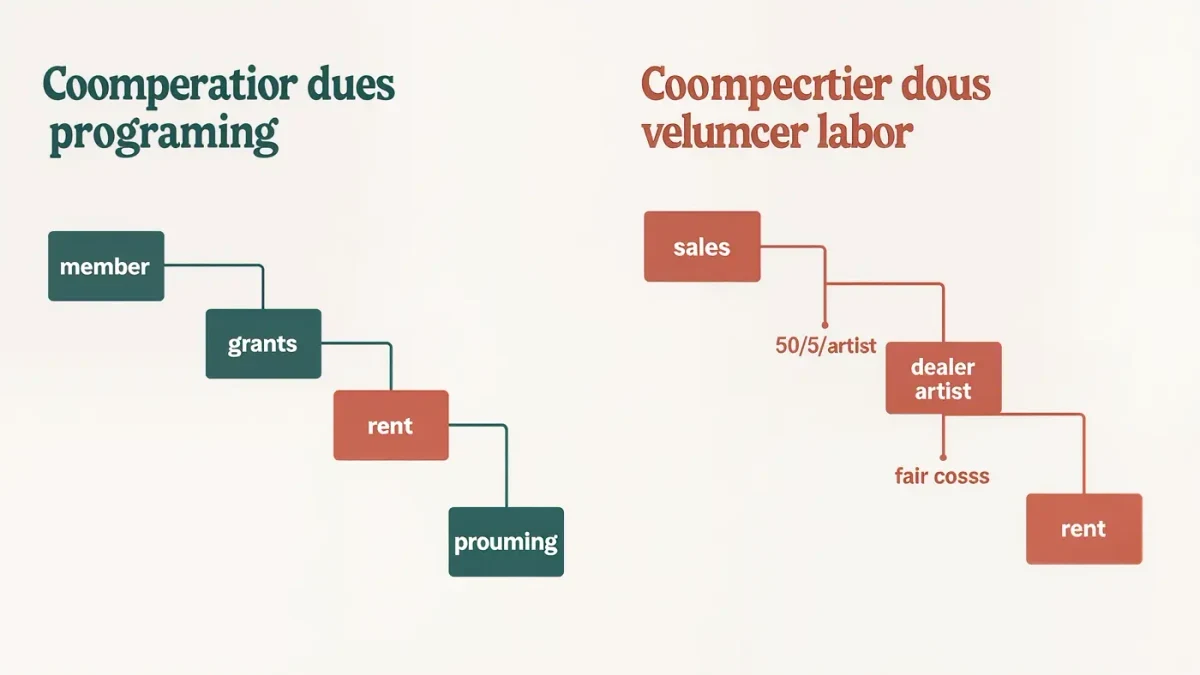
Most of what happens is the unglamorous work of a working gallery: mounting shows, writing press releases, holding openings, and selling enough work to fund the next exhibition. These are small operations. A Lynn gallery typically runs on volunteer labor, modest grants, and the labor of the artists themselves, which puts it closer to the cooperative model than to the commercial model.
That distinction has consequences readers can see on the wall. A cooperative or artist-run space juries its own members and splits operating costs; a commercial gallery consigns work and takes a commission. The economics differ, and so does the exhibition calendar—co-ops can show work no dealer would underwrite. For a fuller treatment of how those structures diverge, see this explainer on artist-run and cooperative galleries, which covers membership dues and jury committees in detail.
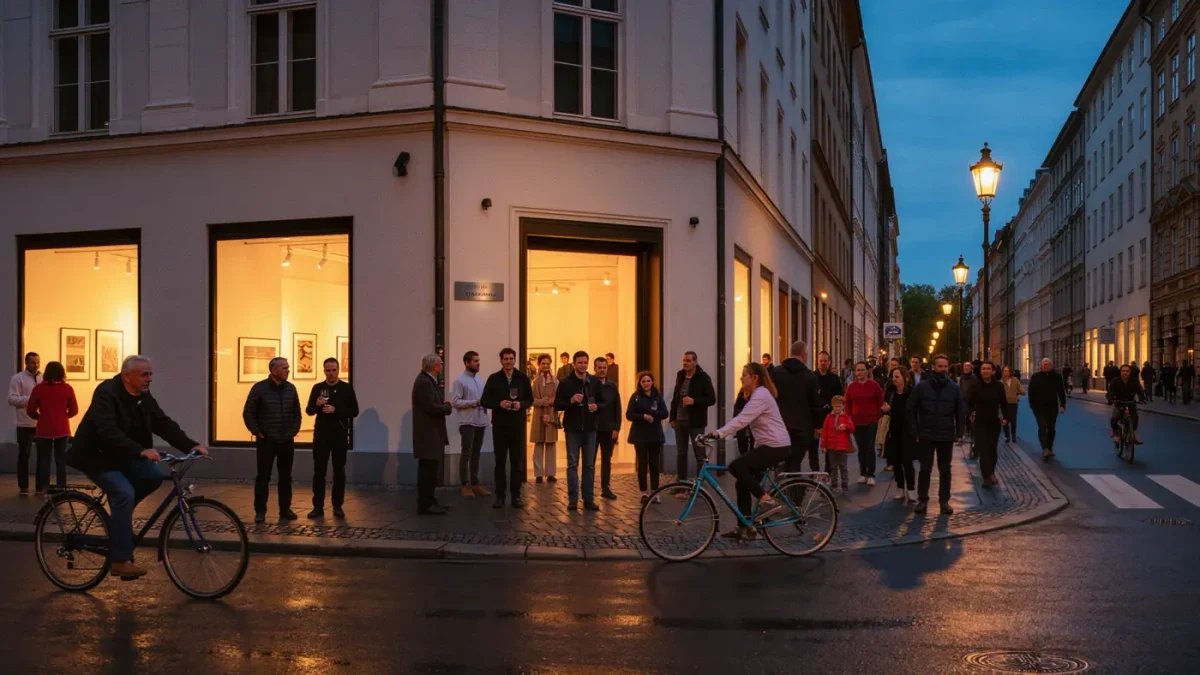
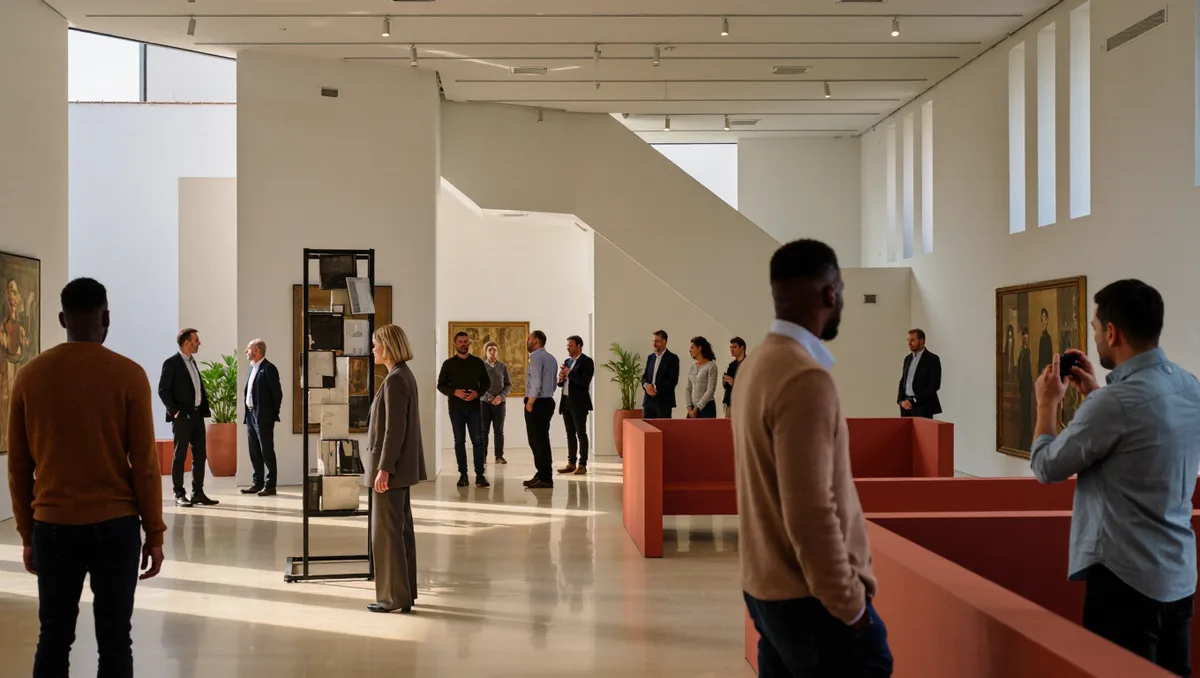
Visitors walking a Lynn Arts show should look at the work before the wall text. The city's exhibitions tend to be arranged for impact rather than for market positioning: strong pieces at sightlines from the door, quieter work rewarding the slow second pass. That is a craft judgment, not an accident. It reflects curators working with limited square footage and an audience that often wanders in off the street.
How does a Lynn artist reach the Boston market?
Incrementally, and usually through relationships rather than fairs. The standard path runs from open-studio events and local group shows to juried exhibitions, then to representation if the work sustains it. Lynn's gallery scene functions as the first rung: a place to build a record of exhibitions, press mentions, and sales history that a Boston or New York dealer will eventually want to see.
Pricing follows the same logic. On the primary market—the first sale of a work—prices are set low relative to established names and rise with an artist's exhibition history. A Lynn artist's early numbers reflect that position. For a deeper look at how those numbers travel from studio to gallery, see this guide to who sets prices on the primary art market.
The commuter rail is doing quiet economic work here. An artist can hold a Lynn studio, show in Boston, and keep the overhead gap as working capital. That gap is what buys time—time to develop a body of work instead of taking a second job to cover a Boston studio lease.
What this means for collectors and for the city
For collectors, an emerging-artist district is where the primary market's entry prices live. Buying early in an artist's career means buying before the exhibition history compounds, with all the uncertainty that implies. The honest framing is this: Lynn offers access and low prices, not guarantees. No one should treat a studio visit as a tip sheet.
For the city, the galleries are an economic signal as much as a cultural one. Artist districts raise foot traffic, fill vacant ground floors, and make industrial blocks legible to visitors—benefits every city government now understands, which is precisely why displacement follows. Lynn's advantage is that its building stock is large; there is more room to absorb growth than in a compact neighborhood like Fort Point.
Our analysis, reading the pattern rather than any single data point: Lynn's gallery scene is at the stage where its future depends on whether artists can hold space long enough for careers to mature. The buildings exist. The transit exists. The audience is a train ride away. What remains uncertain is the rent trajectory, and that variable, not taste or talent, will decide whether Lynn becomes an institution or a way station.
The bottom line on the galleries at Lynn Arts
The evidence supports a plain conclusion. The galleries at Lynn Arts work because the city's industrial inheritance supplies cheap, suitable space and its rail line supplies a market. They are small, artist-adjacent businesses operating on thin margins, closer in spirit to the cooperative model than to the white-cube commercial model described in this overview of how commercial art galleries work. What the record establishes is the mechanism—space, access, and artist labor. What remains unknown is whether the affordability that made the scene possible will survive the scene's own success. Readers following this should also see Art Fair Economics: What a Booth Really Costs, Whether Galleries Profit, and Why They Keep Going Back.