What does an art fair actually cost a gallery? Industry estimates put a large booth at Art Basel or Frieze in the range of $150,000 to $500,000 all-in — booth fee, construction, shipping, insurance, flights, hotels and staff — while even mid-tier regional fairs now run to five figures before a single work sells. Against that, a gallery needs to sell roughly a third of its booth at healthy prices just to break even. The fair economy is a paradox: the sector's most important sales channel is, for many participants, its least reliably profitable.
What Goes Into the Cost of a Fair Booth?
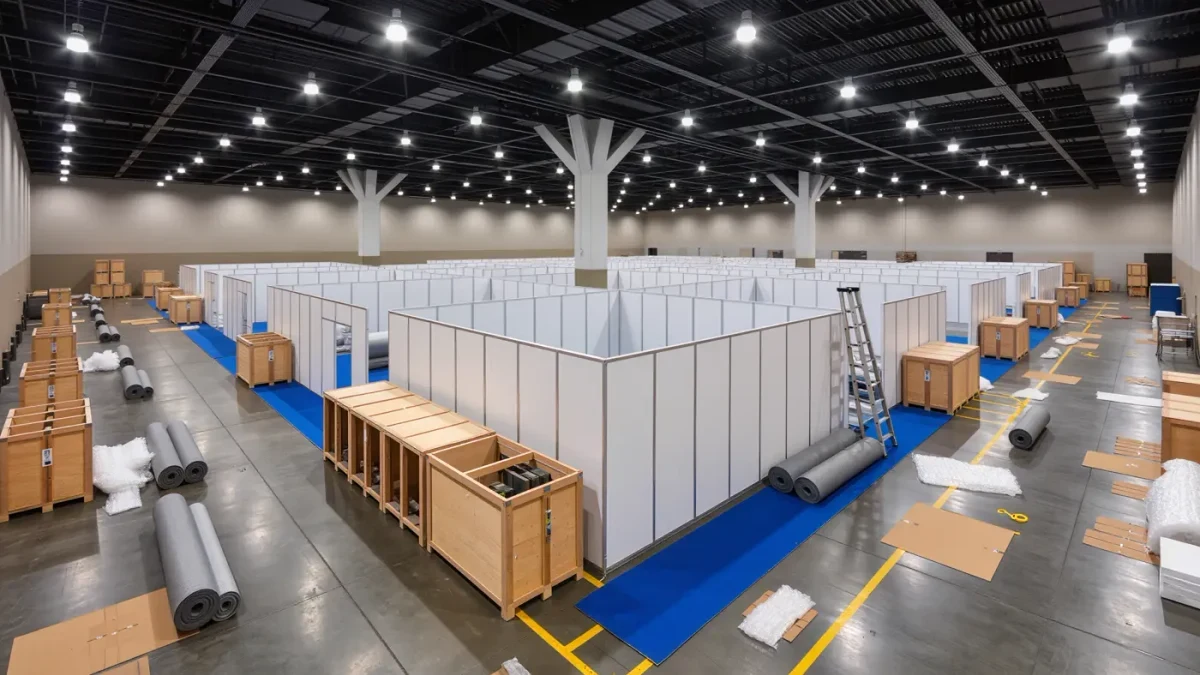
The sticker price is only the beginning. Fair organizers charge for raw floor space by the square meter, with prime positions — corner booths, main aisles — carrying premiums. On top of that come the costs that make the sticker look innocent:
- Booth fee: typically the largest single line; flagship-fair fees for standard booths are widely reported in the six-figure range at the top events.
- Build and fit-out: walls, lighting, storage, furniture — often executed by mandated local contractors at fair-city prices.
- Logistics: international shipping, customs handling, insurance in transit and on site, condition checks.
- People: flights and hotels for directors and staff for the run plus install week — Basel in June, Miami Beach in December, reliably expensive.
- Application and hidden costs: standstill fees, passes, listings, the endless ancillaries the fair monetizes.
Add it up and the true cost of participation routinely runs to two or three times the raw booth fee — the number dealers quote when asked why the fair seemed expensive and turned out ruinous.
Do Galleries Actually Make Money at Fairs?
The honest answer splits the market in two. The mega-galleries — the Gagosians, Zwirners, Hauser & Wirths — treat fairs as their true retail network, sometimes taking multiple booths, and reliably transact seven figures per event. Below that tier, surveys of dealers (the annual Art Basel and UBS collector-and-dealer studies among them) have repeatedly found that a large share of galleries do not expect to break even on any given fair, participating instead for long-game reasons: new collector relationships, market intelligence and visibility.
The economics work when a fair produces sales that happen after the fair — the collector who saw a booth in June and buys from the gallery in September. Those deferred transactions never appear in fair-coverage headlines, but they are the margin on which mid-size programs quietly survive.
| Fair tier | All-in cost per booth (industry estimates) | Typical break-even requirement |
|---|---|---|
| Regional / emerging fairs | $20,000–$60,000 | A few mid-price sales |
| Established national fairs | $60,000–$150,000 | Booth one-third sold at list |
| Flagship internationals (Basel, Frieze) | $150,000–$500,000+ | Multiple five- and six-figure placements |
The table's silent column is risk: a fair where nothing sells is a sunk cost no gallery can claw back.
Why Do Galleries Keep Going Back If It's Barely Profitable?
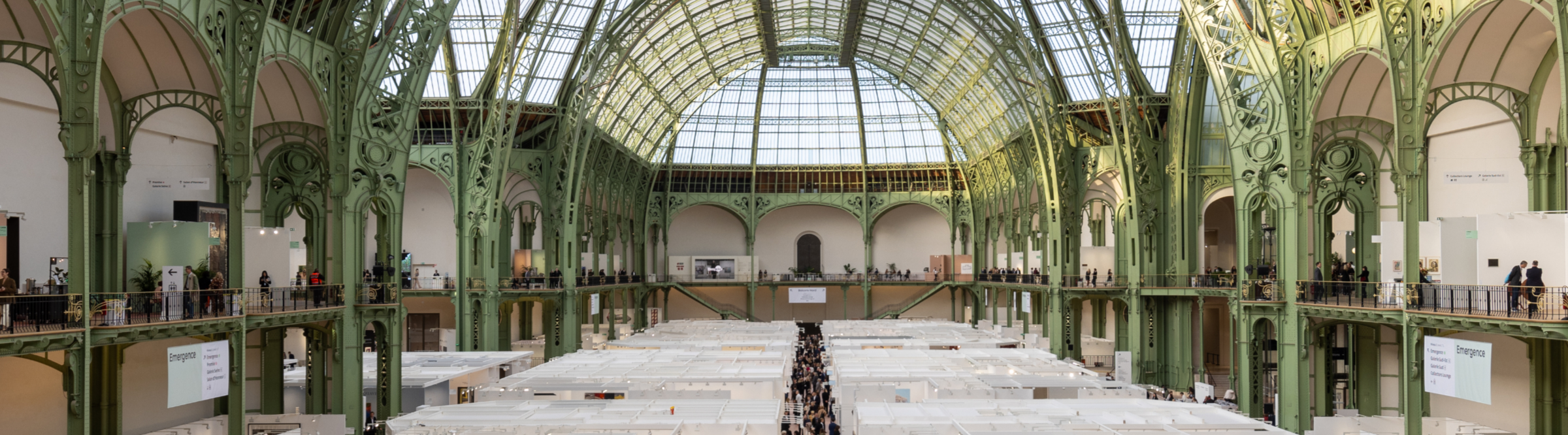
Because absence is read as weakness. A gallery that skips Basel or Frieze signals to collectors, rivals and its own artists that something is wrong — and artists read the fair calendar as a proxy for their gallery's health, which makes fair participation a retention tool as much as a sales one. The fair is also where the global collector base congregates in one hall; a gallery's hometown program, however strong, cannot reproduce that density four weeks a year.
There is also the defensive logic of the roster. If your competitor shows your artist's peer at a flagship fair and you are not there, the artist notices. Fairs thus function as an arms race the dealers privately resent and collectively fund — the classic coordinated outcome nobody can unilaterally exit.
How Do Fairs Try to Keep Smaller Galleries Alive?
Recognizing that the middle tier was being priced out, major fairs introduced curated lower-cost sections: Art Basel's Feature and Statements-style formats, Frieze's Focus and Frame programs, all offering smaller, cheaper booths for younger galleries. Application fees are modest, but the subsidy is real — a young gallery paying $30,000 instead of $150,000 for exposure is the difference between a survivable bet and a reckless one. Some fairs also added prizes and acquisition budgets from museums, which convert booth inventory into institutional sales with the flattering speed the sector prefers not to advertise as welfare.
Whether it is enough is an open question. The post-2020 years brought repeated warnings from dealer associations that fair proliferation — dozens of new international fairs each chasing the same galleries — was inflating costs across the calendar, and several fairs have since consolidated or died, which is the market's usual way of answering.
Timing compounds the pressure. Because flagship fairs cluster the calendar — June in Basel, October in London and Paris, December in Miami Beach — a gallery's cash flow arrives in violent lumps, and the working capital to finance inventory, shipping and booths for months ahead must exist before any revenue does. Dealers describe spring as a financing problem disguised as a curatorial one.
What Role Do Fairs Play in a Gallery's Total Sales?
A dominant and growing one. Dealer surveys through the 2020s have consistently attributed somewhere between 40 and 50 percent of gallery sales to fairs, up from a small fraction in the 1990s — a structural shift that turned galleries from destination retailers into itinerant wholesalers with expensive real estate they barely use. The consequences run both ways: fairs concentrate the sales year into a few exhausting weeks, and they concentrate reputational risk, since a weak fair season now reads as a weak gallery.
The counter-trend is the retreat home. Remote-viewing rooms, the post-2020 normalization of digital sales and the sheer cost of the circuit have led several prominent galleries to cut fair participation — while keeping the few flagships that still deliver the collector density nothing else can. The fair economy is not collapsing; it is concentrating, like everything else in this market.
FAQ
How much does an Art Basel booth cost?
Industry estimates place large flagship booths, all-in with build, shipping and staff, between $150,000 and $500,000 or more; raw booth fees alone at top fairs are widely reported in the six-figure range. Smaller sections and younger-gallery programs cost a fraction of that.
What share of gallery sales happen at fairs?
Dealer surveys in recent years attribute roughly 40–50 percent of total gallery revenue to art fairs — a historic high. The share is larger for international galleries and smaller for ones with strong local collector bases.
Do galleries lose money on fairs?
Many do in any given year, particularly below the mega-gallery tier. Dealers justify the shortfall with post-fair sales, new client relationships and roster-retention value — returns that never show up in the fair-week tally.
Why are fair booths so expensive?
Because a fair is a temporary city: prime convention-center floor space, mandated contractors, security, insurance and a captive global audience that organizers know galleries cannot reach any other way. The pricing power sits with the fair, and it shows.
Can a young gallery get into a major fair cheaply?
Somewhat — curated sections like Frieze Focus or Art Basel's emerging-gallery formats offer smaller booths at lower cost, and fair prizes with museum acquisition budgets occasionally offset the bill. The full main-section economics remain a barrier most young programs clear only with risk.