Who sets prices on the primary art market? The gallery does, in negotiation with the artist — but the number is really set by an invisible committee of auction results, museum résumés, collector demand and the prices of rival artists at the same career stage. An emerging painter's canvases might open at $6,000; five years, one museum show and two sold-out fairs later, the same gallery may ask $45,000 for equivalent work. Primary pricing is less a valuation than an act of market architecture.
What Is the Primary Market?
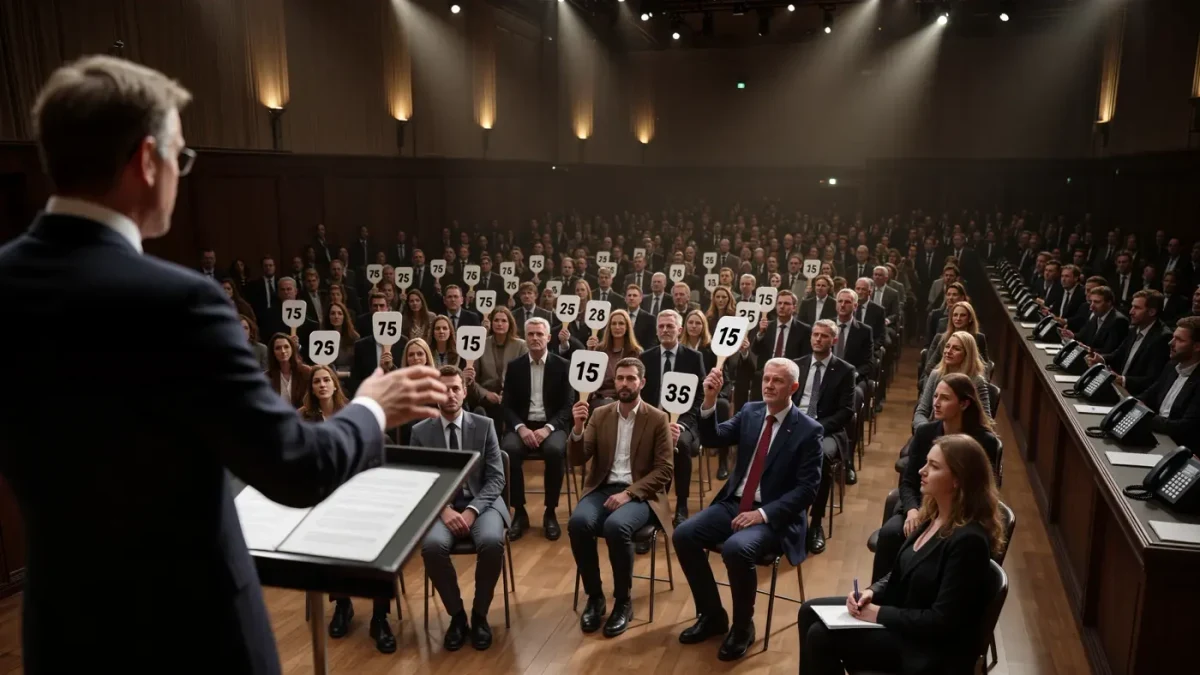
The primary market is the first sale of a work — studio to collector, almost always through the artist's representing gallery. Everything after that, whether at auction next month or by private treaty in thirty years, is the secondary market. The distinction matters because primary prices are administered: set deliberately, held firm, discounted grudgingly, and defended. Secondary prices are discovered — by competitive bidding, publicly, with the artist's career as bystander.
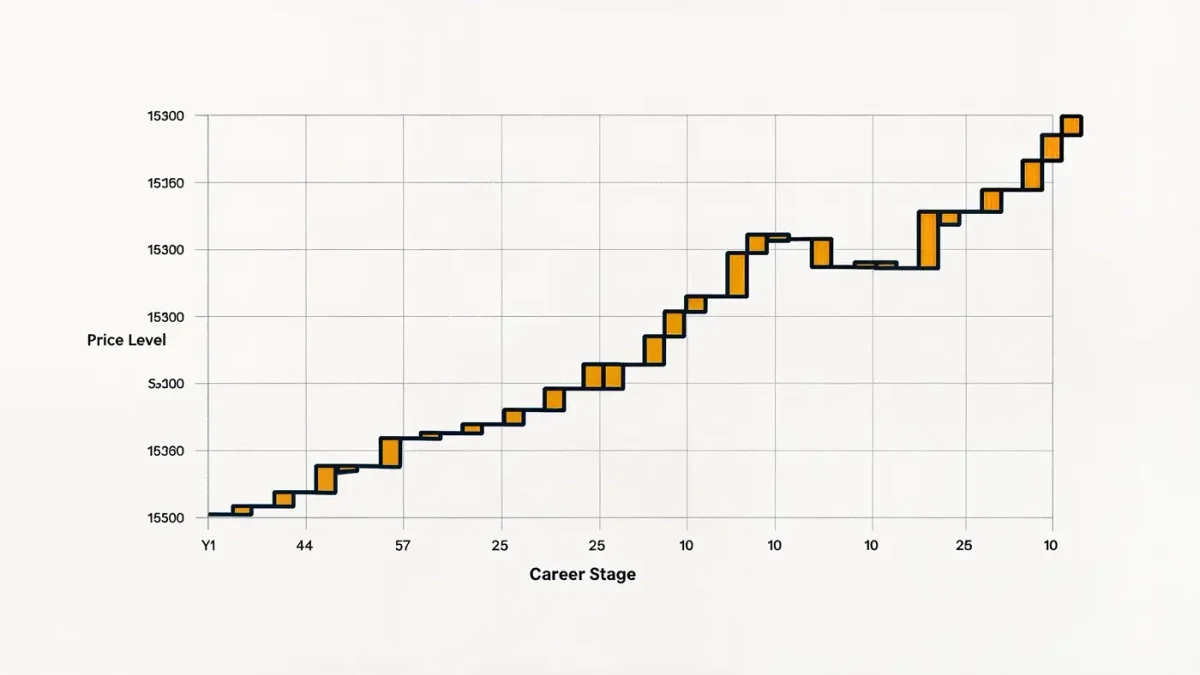
Because primary prices are the artist's official record, they are set conservatively on purpose. A gallery would rather underprice and sell out than overprice and watch inventory sit, unsold works being the most expensive form of market information. Sell-outs trigger the ladder: raise prices for the next body of work, typically in steps of 10 to 30 percent between series, and let the waiting list absorb the increase.
How Does a Gallery Build a First Price?
Dealers triangulate from format, medium, career stage and comparable artists — a process more comparable- sales analysis than inspiration. Works on paper price below paintings; editions below uniques; scale moves price less than linearly (a canvas twice the size is never twice the price). The honest inputs look like this:
- Career markers: MFA program tier, museum acquisitions, biennales, press — each adds a documented premium.
- Comparables: what peer artists with identical CVs sell for at rival galleries and fairs.
- Performance: sell-through and waiting-list depth for the artist's previous show.
- Format ladder: a studio-wide ratio between small, mid and large works, kept stable so collectors can read scale against price.
- Strategy: deliberately low entry prices for a new roster artist, funded by the gallery's margin on its stars.
The output is a retail price the gallery then protects with allocation — deciding not just what things cost but who is allowed to buy them, because a sale to a flipper is a future auction lot priced below your retail.
Why Can't the Artist Just Charge More?
Artists can, and do, push — but the gallery's job is to price the career, not the object. Overpricing a second show kills the momentum signal (a sell-out at $30,000 says more than a half-sold show at $60,000), and a visible failure to sell is public information the market keeps forever. Galleries also resist studio sales precisely because a private discount leaks into the price history and undermines the retail line. The tension is structural: the artist owns the work, the gallery owns the market.
Reputation compounds the asymmetry. A young artist's price is set by a gallery with twenty years of placement history; the artist's leverage arrives only when secondary demand appears — at which point the balance of negotiation shifts dramatically, along with, frequently, the artist's choice of gallery.
How Fast Do Primary Prices Rise?
Discipline is the ideology. Between exhibitions, galleries typically hold increases to 10–25 percent; between a sell-out show and a museum-validated one, a doubling is defensible. What they avoid is the vertical move — tripling a price after one hot auction result — because collectors who bought at earlier levels feel punished, and the new level must hold at the next fair or the artist is marked down in public. The 2010s taught the caution: a cohort of post-2008 speculatively priced painters saw primary prices deflate by half when tastes rotated, and those pricing scars still discipline dealers.
| Career stage | Typical primary range (industry convention) | Pricing authority |
|---|---|---|
| Emerging (first gallery shows) | $2,000–$10,000 | Gallery sets, artist ratifies |
| Early mid-career (museum group shows) | $10,000–$50,000 | Gallery, with auction comparables in view |
| Established (solo museum shows) | $50,000–$500,000+ | Negotiated; secondary results anchor |
| Blue-chip | Market-to-market | Secondary market effectively leads |
Ranges are conventions, not rules — but dealers across New York, London and Berlin recognize them, which is what makes them real.
What Happens to Primary Prices at Fairs?
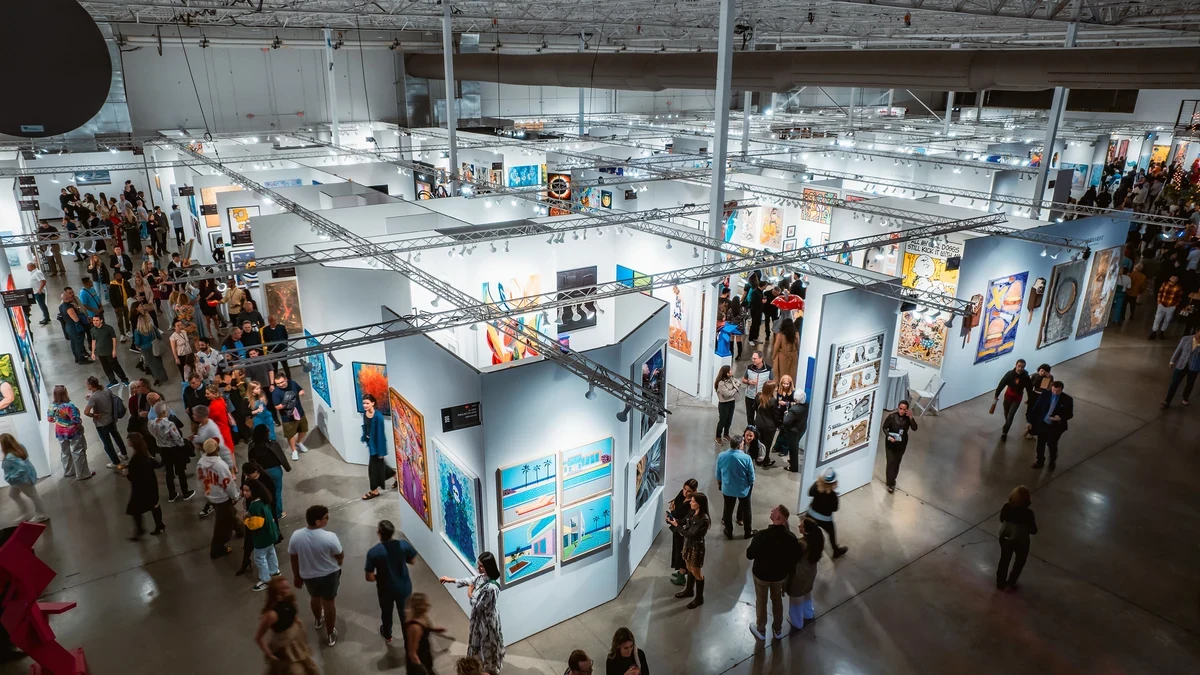
Fairs are where administered pricing meets live competition. Works carry their home-gallery retail price, but a fair booth is a showroom of rivals' price lists: collectors comparison-shop a $28,000 canvas against three equivalent ones across the aisle, and dealers feel that instantly. The fair also introduces allocation politics — the best work is reserved for VIP preview days, and a price quoted with the phrase 'it's on hold for a museum trustee' is doing more market work than any number could.
There is also a quiet geographic layer. A gallery with rooms in New York, London and Hong Kong faces the awkward fact that the same artist may carry slightly different local pricing — typically harmonized to the strongest market, with regional differences handled through allocation rather than the list. Collectors who notice this are exactly the collectors galleries worry about: arbitrage of a few thousand dollars across cities is harmless, but the perception that pricing is negotiable is not.
Discounts at fairs run narrower than outsiders assume: 5 to 10 percent for good clients is the polite ceiling, because a list of discounted sales circulates and recalibrates everything. What looks like a pricing free-for-all is closer to a cartel of manners — which is exactly why primary galleries fight auctions so hard for control of their artists' price narratives.
How Do Auction Results Leak Back Into Primary Pricing?
Officially they don't; practically they run the show. When a painting bought at $40,000 hammers at $250,000, the gallery cannot raise primary prices tenfold overnight — but it can slow sales, hold back inventory and reprice the next series steeply, citing the auction record as evidence. Dealers call this the tail wagging the dog; they also all do it. The destabilizing case is the reverse: a forced or speculative resale that undershoots retail, printing a public price below the gallery's list and unwinding years of engineered scarcity. This is why placement — screening buyers for flippers — is considered a pricing tool, not etiquette.
FAQ
Can artists set their own prices if they have a gallery?
Contractually, almost never for gallery-channel works: representation agreements authorize the gallery to set retail prices in consultation with the artist. A studio can informally place works, but undercutting the gallery's list price corrodes the artist's own market record.
Why are gallery prices lower than auction prices for the same artist?
Primary prices are deliberately conservative, set to build a career; auction prices reflect live bidding, fees and scarcity on the day. A healthy market keeps primary below secondary — the spread is what signals rising demand.
Do galleries discount on the primary market?
Yes, modestly: 5–10 percent is standard courtesy, deeper for museums or multiple-work purchases. Deep quiet discounts are frowned upon because the effective price eventually circulates and resets collector expectations.
What raises a primary price faster: a museum show or a sell-out fair?
A sell-out fair moves the next price list; a museum show moves the ceiling. Dealers typically want both sequenced — commercial heat justifies a step increase, institutional validation justifies a re-rating of the whole oeuvre.
Is the price list at an exhibition public?
Usually available on request rather than posted — the discretion lets galleries vary allocation and negotiate modestly. The art market's transparency reforms have mostly reached auction data; primary price lists remain semi-opaque by design.