Profiles that organize an artist's output into periods, materials and turning points, then say where the significant works can be seen. Historical figures and living practitioners both appear. Suited to readers preparing for an exhibition, students building context, and collectors assessing where a name sits.
The catalogue raisonné is the art market's supreme court of authenticity — compiled by scholars and artist foundations over decades, and a single inclusion or exclusion can move a work's value by millions.
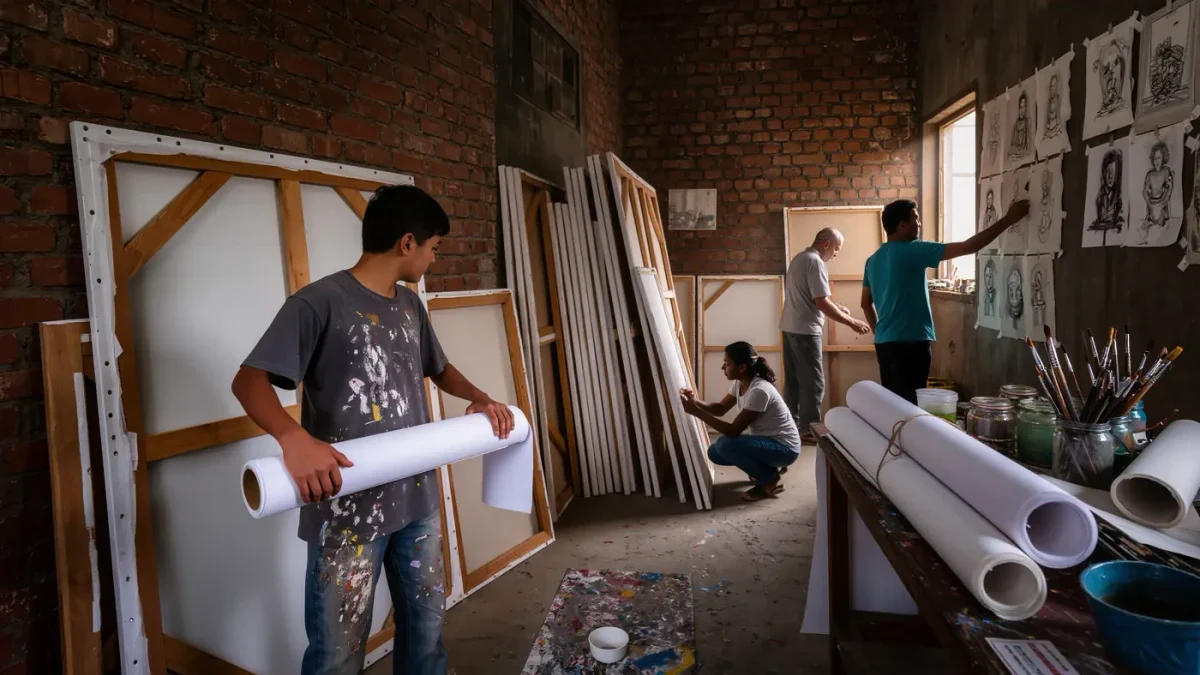
A studio practice that costs a few hundred dollars a month at the start can burn hundreds of thousands annually at the top — and the unit economics of a painting change completely at every rung.
Public commissions run on procurement logic — RFPs, shortlists, maquettes, committees — and are funded largely by percent-for-art ordinances that skim a slice of construction budgets, with agents taking a cut for navigation.
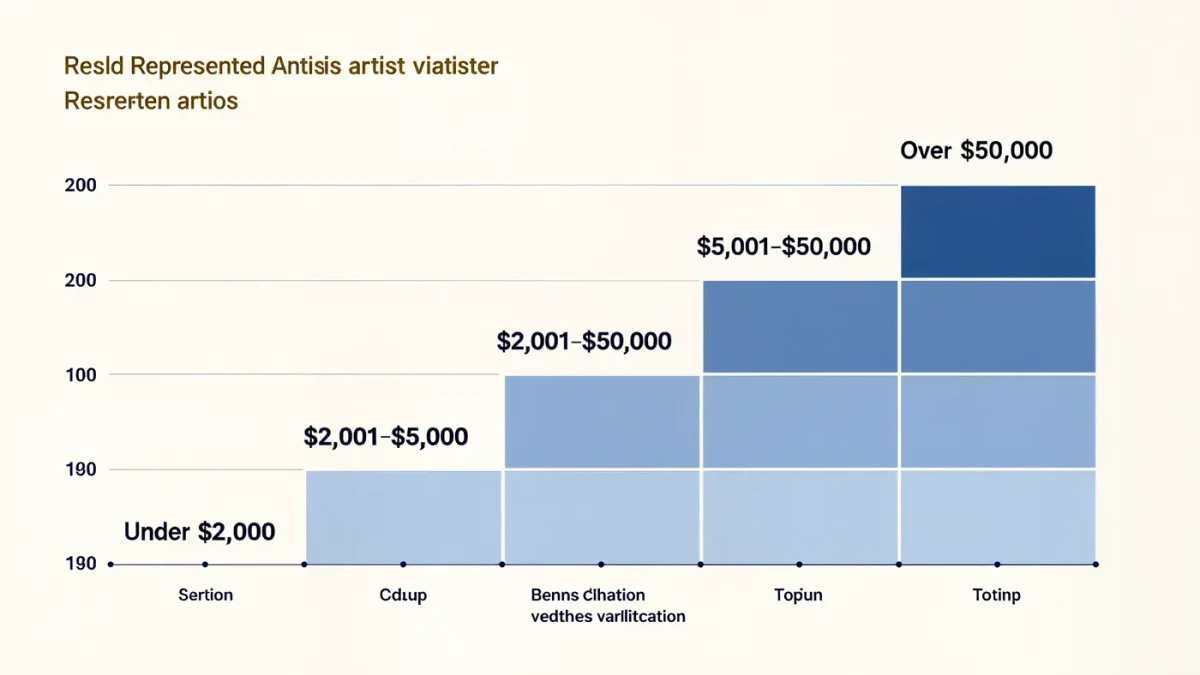
Self-represented artists can now reach collectors directly — but the direct market has a price ceiling measured in low thousands, no institutional ladder, and a discount problem that follows the work.
The EU's Artists' Resale Right Directive guarantees artists a slice of secondary-market sales in more than 80 countries — while in the United States, the right exists nowhere at the federal level, and California's attempt died in court.
An MFA costs six figures at the top American programs and guarantees nothing at auction — but the degree's real product is access to visiting critics, peers, and the handful of dealers who still recruit from thesis shows.
A good residency is free studio space, a stipend, and the most efficient networking instrument in the art world — if you pick the ones whose name carries weight.
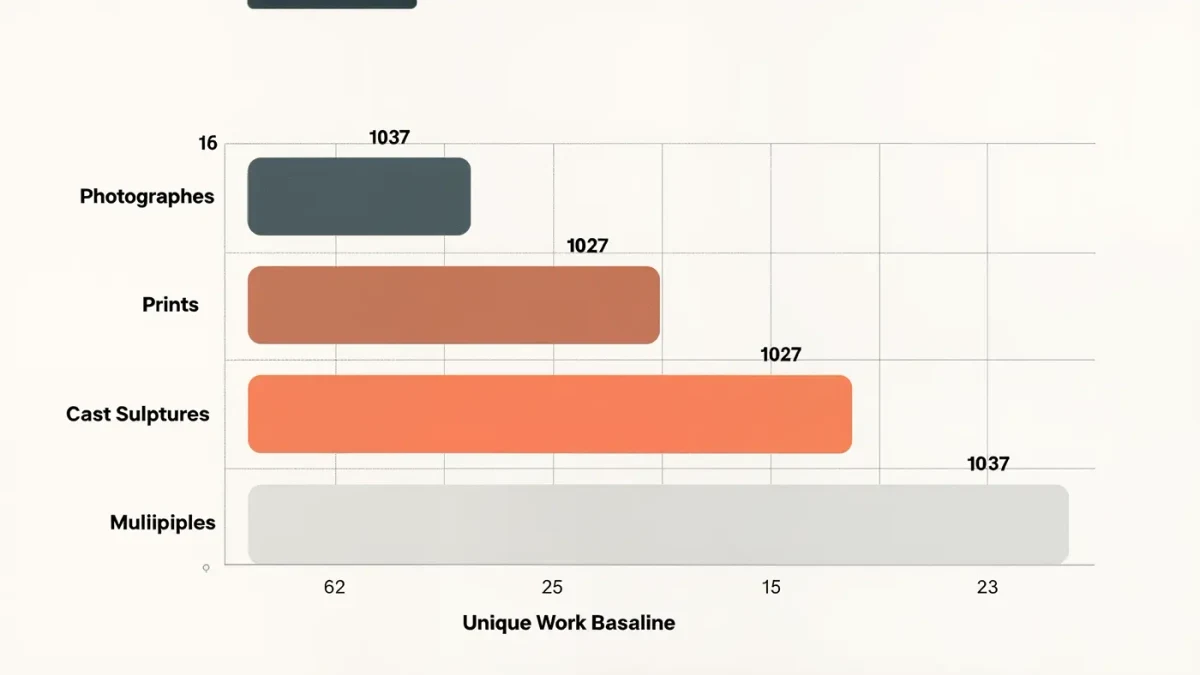
Limited editions let emerging artists sell at prices a student can afford while building the sales history a gallery needs — but the arithmetic of editions versus unique works is stranger than it looks.
First sales for emerging artists typically land in a four-figure corridor, and it is almost never the artist who picks the figure — it is the gallery, and the ladder only gets steeper from there.