Selling without a gallery has never been easier and never mattered less to the top of the market. Instagram DMs, online platforms, and open-studio circuits let artists transact directly at $500–$5,000 with real collectors, keeping 100% instead of splitting 50/50 with a dealer. But the direct market has a hard ceiling — rarely above the low five figures — because price at the top of the market is manufactured by exactly the apparatus the self-represented artist is skipping: galleries, curators, museums, and the auction record they collectively write.
What Does the Self-Represented Toolkit Look Like?
Instagram remains the primary storefront, because it is where the collectors actually scroll. Around it sits a layer of sales infrastructure that did not exist a decade ago.
The platforms divide by tier. Portfolio and sales sites give artists turnkey e-commerce with integrated checkout. Online-only galleries and curated selling platforms function like lightweight dealers, taking commissions in the 15–35% range against traditional 50%. Auction-native and drop-culture platforms, built for hyped releases, serve a younger collecting demographic with timed drops and edition models borrowed from sneaker culture. Beneath all of it, the offline channels persist: open studios, art fairs' affordable sections accessible without a gallery, and the artist-run exhibition ecosystems in every major city. What the toolkit shares is disintermediation of the dealer — and, with it, disintermediation of the dealer's actual job, which is not selling the work so much as pricing it, placing it, and writing its history.
Can Instagram Actually Build an Artist's Market?
As an audience engine, demonstrably yes. As a price ladder, much less so. The feed rewards a recognizable style, consistent output, and video-native process content — a very particular profile of practice.
The artists who succeed on Instagram at scale tend to share traits: visually coherent feeds, work that photographs well, prices that fit impulse-to-deliberate purchase bands, and the temperament to post relentlessly. Some have built genuinely large collector bases this way and earn more than they would mid-roster at a commercial gallery. What the platform rarely produces is the institutional lift. Curators do find artists on Instagram — this is real and increasingly cited — but a follower count substitutes weakly for exhibition history when a museum committee or a serious collector's advisor does due diligence. The deeper problem is narrative. A gallery career builds a public paper trail of shows, reviews, and placements; a DM career builds a private ledger of sales that nobody can verify, which matters precisely when the artist wants to raise prices beyond the level where buyers start checking.
Where Is the Ceiling, and Why?
Empirically, the direct market stalls in the low thousands for most self-represented artists. The reasons are structural, not motivational.
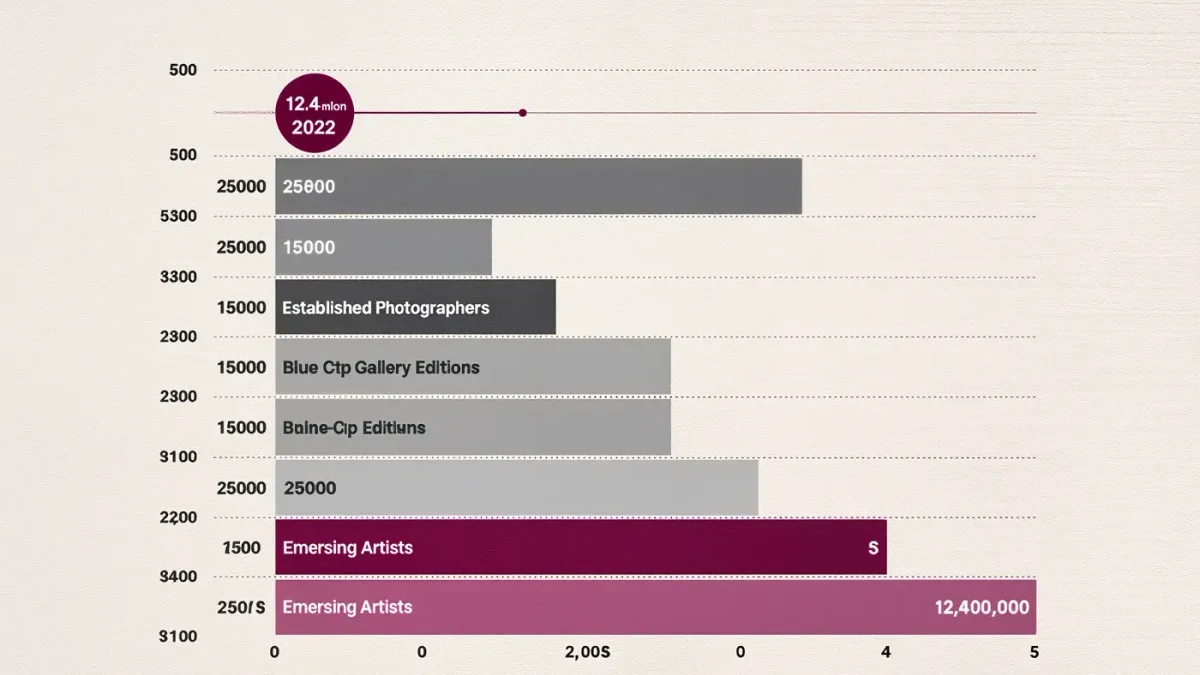
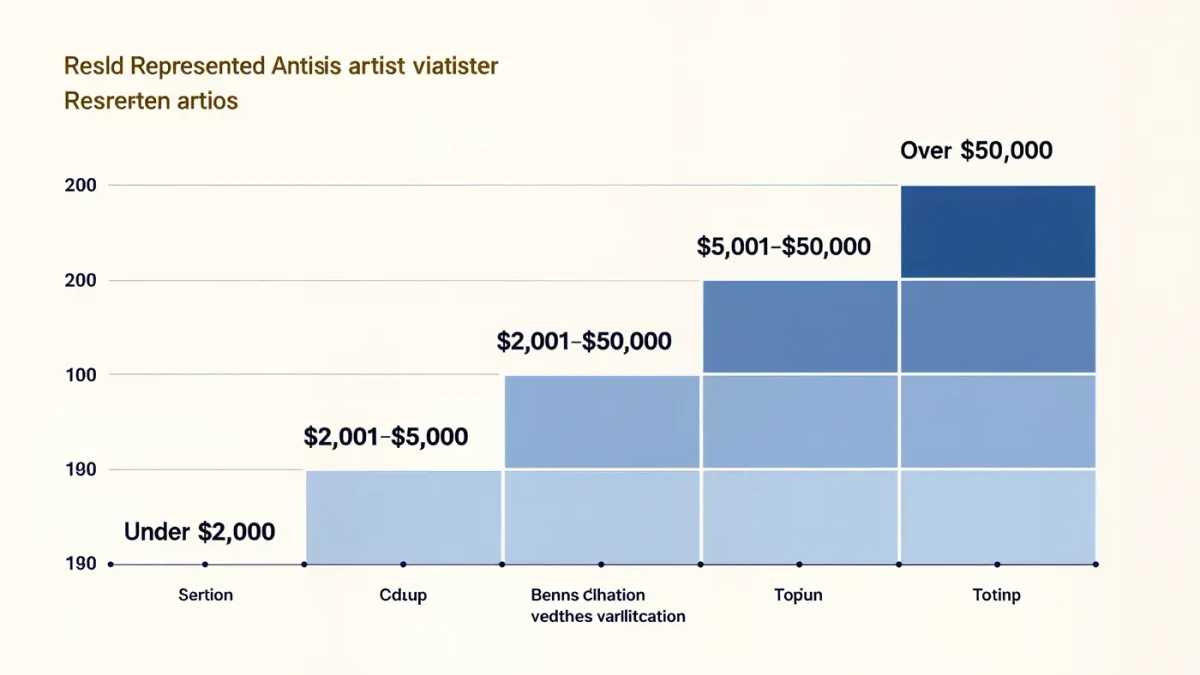
| Price band | Who buys | What the sale requires |
|---|---|---|
| $500–$2,000 | First-time buyers, peers, Instagram followers | Nothing but the image and trust |
| $2,000–$10,000 | Serious amateurs, advisors hunting value | Sales history, some exhibition record |
| $10,000–$50,000 | Established collectors | Gallery or institutional validation |
| $50,000+ | The top of the market | Full apparatus: dealer, museum, auction record |
The pattern is blunt: above roughly $10,000, buyers increasingly need someone else to have gone first, and the someone else must be legible — a gallery whose judgment they trust, a museum that has acquired, a biennial that has selected. Validation is the product galleries sell, and it is the one thing the platforms do not offer. There is also the secondary-market problem: work bought direct, without primary-market documentation, trades poorly later, because provenance in the art market is not a receipt but a story told by known intermediaries.
What Are the Risks?
Three big ones. First, the discount anchor: once an artist is known for $1,500 direct sales, the first gallery that considers them has to explain why the same painter now costs $7,000 — a conversation dealers would rather not have, and some pass on artists over it. Second, the platform dependency: an algorithm change can halve an artist's reach overnight, and the account itself is a rented storefront with no recourse. Third, the paperwork gap: informal sales mean weak records, which means weak provenance, which eventually compounds into lower resale value for the very collectors who supported the artist early.
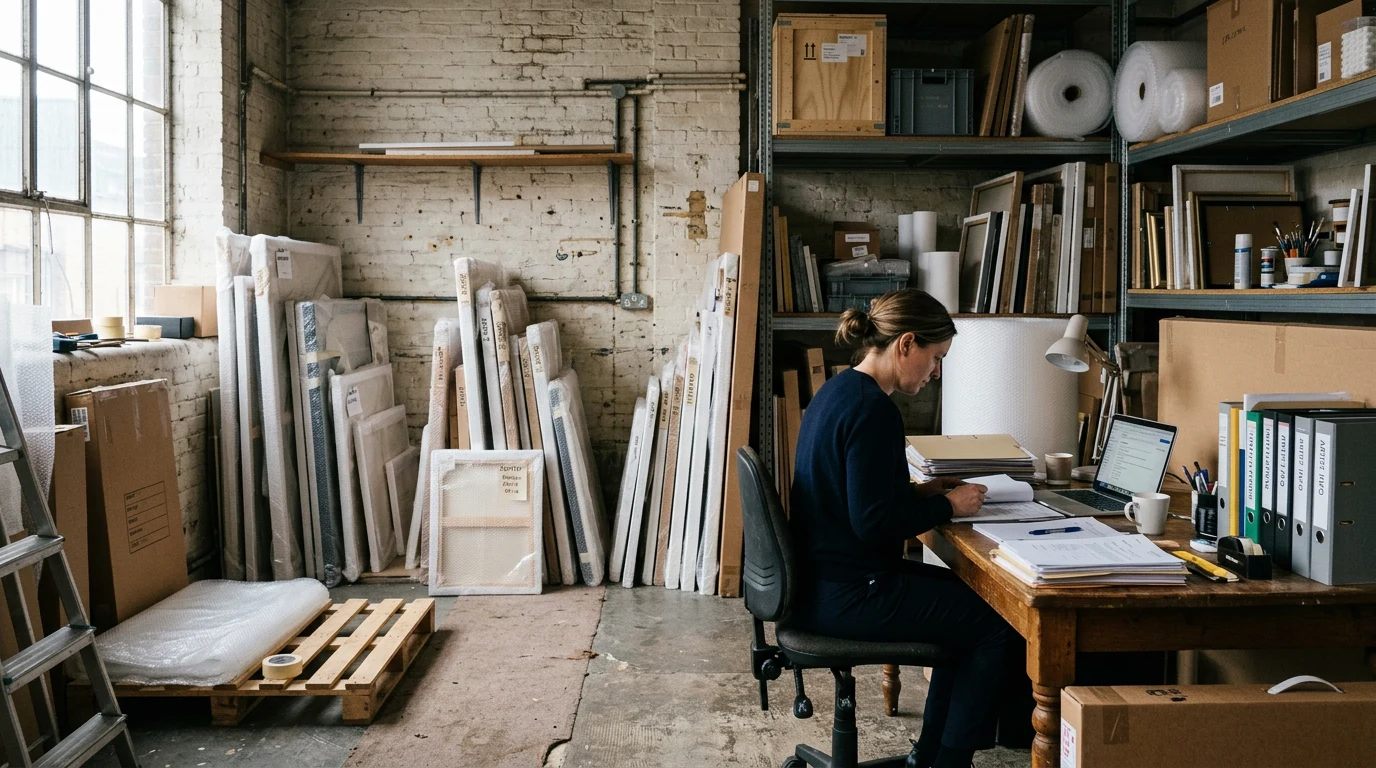
There is also the burnout economics nobody prices in. The self-represented artist is simultaneously maker, photographer, copywriter, shipper, negotiator, and customer service. Gallery artists trade half their revenue for half their labor being someone else's; direct artists keep the revenue and all the labor. At small scale that is a fair trade. At scale it is two jobs.
Is the Hybrid the Real Answer?
For most, yes. The clean version of the modern emerging career is platform-native at the bottom and gallery at the top: direct sales of works on paper, editions, and small studies through the artist's own channels, while unique work moves through a gallery relationship once one exists. Dealers increasingly tolerate — even encourage — this arrangement, because the artist's direct audience de-risks the gallery's investment.
The self-represented path is best understood not as an alternative to the market but as its farm system. Some artists will always prefer it permanently, and a small number thrive at it entirely. But the ceiling is real, and it is set by how the art market prices credibility: not in followers, but in the signatures of institutions. The DM inbox can sell the work. Only the apparatus can make it expensive.
FAQ
Can artists really sell art through Instagram?
Yes, and many do — Instagram remains the dominant storefront for direct sales, especially in the $500–$5,000 band. Success requires a coherent visual identity, consistent posting, and work that photographs well. Curators also scout there, though followers substitute weakly for exhibition history.
What commission do online art platforms take?
Typically 15–35%, against the traditional gallery's 50%. The lower commission buys less: platforms process transactions but rarely provide pricing strategy, placement, or the institutional validation that raises prices.
Why can't self-represented artists charge gallery prices?
Because above roughly $10,000 buyers need verifiable validation — a gallery, museum acquisition, or exhibition record. Price at the top of the market is manufactured by the apparatus the direct artist is skipping, and informal sales also create weak provenance that hurts resale later.
Does direct selling hurt future gallery representation?
It can. Artists known for $1,500 direct sales make dealers explain a steep jump to $7,000, and some galleries pass rather than have that conversation. Keeping direct work to editions and studies, with unique work reserved, is the common mitigation.
What percentage do self-represented artists keep?
Roughly 100% minus platform payment fees, shipping, materials, and marketing costs — versus 50% at a gallery. The honest accounting subtracts the unpaid labor: the direct artist is also their own dealer, photographer, and shipping department.