A serious residency delivers three concrete assets: a studio, money or housing, and a network — and the network is the part that compounds. Programs like Skowhegan, the Rijksakademie, and the Whitney's independent study tradition have functioned for decades as informal feeders into galleries, biennials, and museum rosters. The sticker price is time, not cash: most residencies cost the artist nothing, and the best ones pay. What they return depends less on prestige names than on whether the residency's alumni and visiting-critic circuit overlaps with the market an artist is trying to enter.
What Does a Residency Actually Give You?
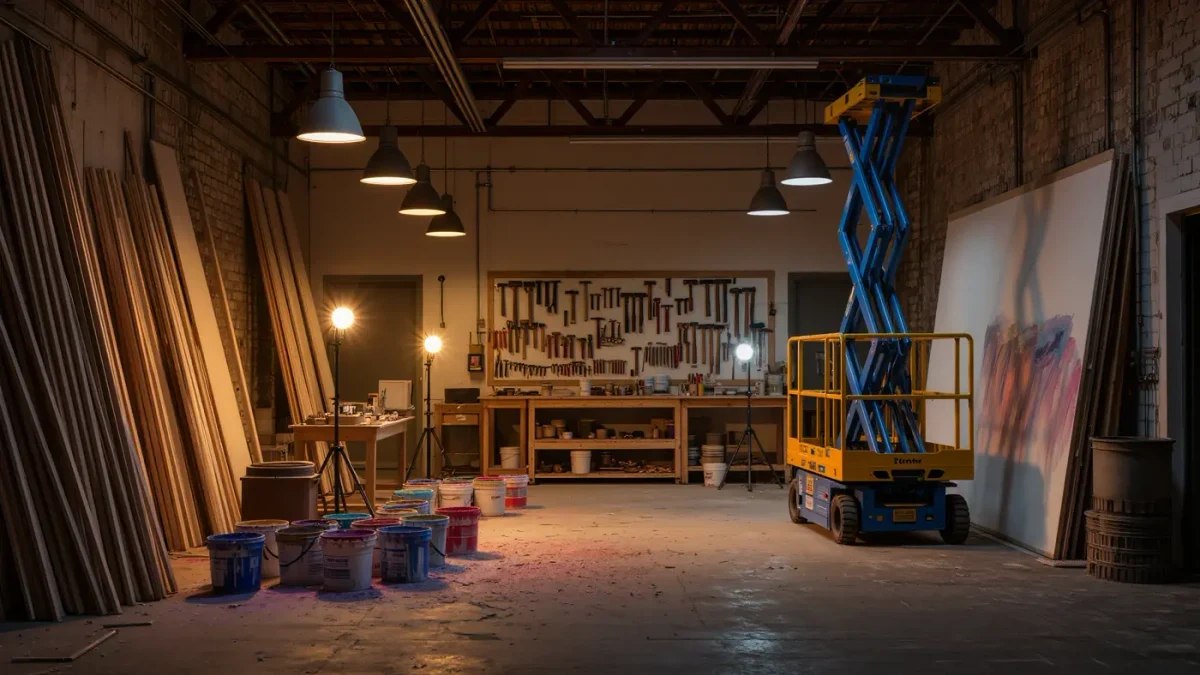
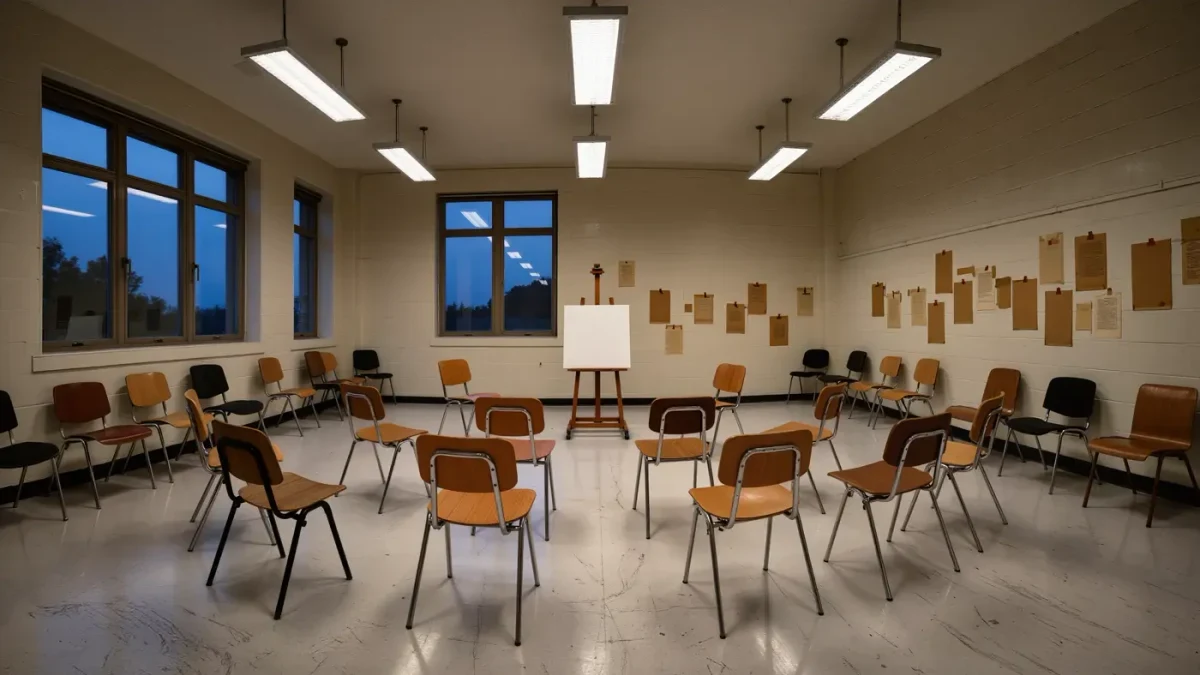
The package breaks into four components, and the weighting varies wildly between programs. Studio space is the baseline — anywhere from a shared bay to a purpose-built 100-square-meter room. Housing is next, then a stipend or materials budget, then the intangibles: visiting critics, open studios, curatorial introductions.
The studio alone can be transformative economics. In a major art city, work space of residency size would cost an emerging artist thousands per month, and many residencies house artists precisely where rent makes studios impossible — New York, London, Paris. The stipend tier is where programs separate: some pay nothing and charge fees (a category worth treating with suspicion), some cover travel and materials, and a small elite group pays a genuine living wage. The intangibles are the real currency. A residency concentrates a decade's worth of studio visits into three months: curators, dealers, critics, and peers cycle through, and an open studio at the right program is effectively a private fair with one artist on the wall. The peer cohort is underrated — residency classmates become each other's future recommenders, collaborators, and gallery advocates for the next twenty years.
Which Residencies Move the Needle?
Prestige is real and roughly hierarchical, even though nobody publishes the ranking. The signals a residency sends to the professional world differ sharply.
| Residency type | Examples | What it signals |
|---|---|---|
| Elite international | Rijksakademie, Skowhegan, Kunstlerhaus Buchsenhausen | Selection credibility, global network |
| Museum-linked | Whitney ISP, Studio Museum residency tradition | Curatorial pipeline, critical weight |
| Foundation programs | UCross, Headlands, Delfina Foundation | Time, focus, targeted thematic networks |
| University / teaching-linked | Various MFA-adjacent programs | Income, institutional affiliation |
| Fee-charging / pay-to-play | Varies widely | Little to no signal; treat cautiously |
The pattern to notice: the programs that matter are free to attend and brutally selective, while the programs that charge are usually neither. There are honorable exceptions — some fee programs with real facilities and visiting faculties — but as a screen, fee-charging residencies deserve extra diligence.
How Competitive Are They, Really?
Top programs report acceptance rates in the low single digits — competitive at the level of elite academic admissions. That means rejection is the default outcome and application strategy is a genuine skill.
Selection committees — usually a rotating jury of curators, artists, and critics — read for a coherent practice, not versatility. The applications that succeed present a tight body of work, a specific reason this residency fits this practice right now, and a work sample that looks intentional. A common piece of advice from program alumni: apply with the work you are known for developing, not experimental scatter. Recommendation letters matter more than most applicants believe, because juries are small communities and letter-writers are references they can call. Reapplying is normal and even rewarded — many programs track repeat applicants and read persistence as seriousness. A realistic cadence is applying to eight or twelve programs a year, treating it as an annual administrative season with its own deadlines, fees, and portfolio requirements.
Do Residencies Translate Into Market Value?
Indirectly but powerfully. No dealer signs an artist because of a residency line on the CV; dealers sign artists because someone they trust saw the work. Residencies manufacture exactly those encounters.
The mechanism runs through open studios and visiting critics. A dealer's scout or an advisor attends an open studio, sees two years of work in one room, and files the name. Curators who visit become the writers of the biennial recommendation two years later. In market terms, residencies function as a low-cost, high-frequency validation layer beneath galleries and museums — they keep an artist's momentum legible between shows. There is also a harder economic version: for many emerging artists, residency stipends and housing are the difference between a sustainable practice and a side practice. Six months of covered rent is six months of full-time studio work, and the work made in that window is often the body that unlocks the first real gallery conversation. The CV line depreciates; the work and the relationships do not.
What Are the Common Mistakes?
Three recur. First, treating a residency as a vacation — the programs that matter watch output, and open studios are unforgiving. Second, choosing by geography or prestige rather than fit: a painter spending a residency meant for social practice spends three months explaining themselves to the wrong audience. Third, ignoring the alumni network after leaving. The artists who extract the most value from residencies are shameless, in a polite way, about staying in touch — sharing exhibitions, recommending each other, returning as visiting critics themselves a decade later. The residency is an entrance, not a prize. Its full value is realized in the fifteen years of correspondence that follow.
FAQ
Do residencies pay artists?
The best ones do — stipends ranging from modest materials budgets to genuine living grants, plus housing and travel. Many cover costs without paying, and a cautionary tier charges fees. The general rule: the more a program pays, the more competitive it is.
How selective are top residencies?
Extremely — elite programs report acceptance rates in the low single digits, comparable to top academic admissions. Rejection is the default outcome for strong applicants too; a multi-year application strategy across many programs is the norm.
Can a residency lead to gallery representation?
Indirectly, yes. Dealers rarely sign artists off a CV line, but open studios and visiting-critic circuits create the studio visits that lead to representation. Residencies are a validation layer that keeps artists legible to the market between exhibitions.
Should you list every residency on your CV?
List selective, relevant programs; omit fee-charging ones that signal nothing. Curators and dealers read residency lines as endorsements from the selection jury, so a short list of credible programs reads stronger than a long list of everything.
Are remote or part-time residencies worth it?
For established artists needing funded time, yes. For emerging artists, the on-site cohort and open studios are the core value, and remote formats deliver little of it. The studio, the visitors, and the peers are the product.