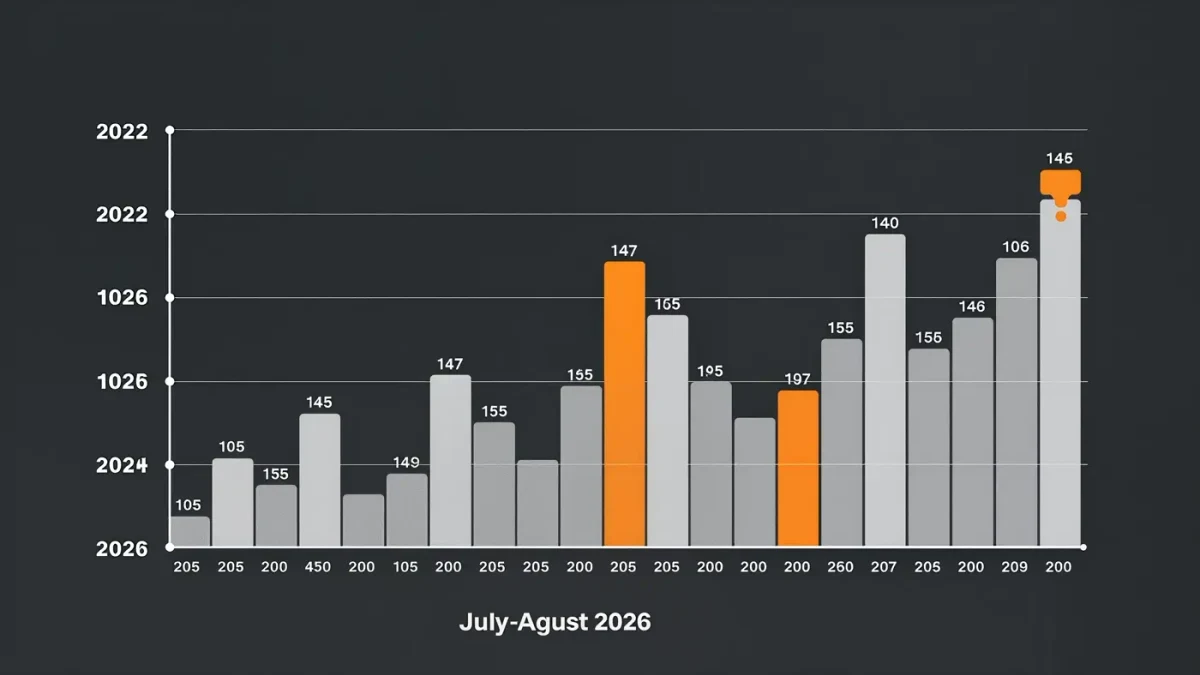
Kasmin and Clearing announced closures, and Tim Blum said he would cease operations of BLUM's Tokyo and Los Angeles spaces following their summer exhibitions, according to Hyperallergic and ArtAsiaPacific — part of a wave of emblematic U.S. gallery closures between July and August 2026 that European coverage branded a lethal summer for American art galleries. Add David Risley's announced closure of his Copenhagen contemporary gallery after 25 years, and the season's body count reads like a mid-career collector's contact list.
Why the Closures Cluster in August
Galleries die in summer because that is when the maths stops hiding. With fairs dark, foot traffic seasonal and consignments thin, the August balance sheet shows the year's true run-rate. The 2026 edition is harsher than most because the dealer sector's structural squeeze — six-figure fair stands, rising rents, thinner mid-market sales — is now colliding with an auction tier that reports records every May. The paradox of the moment: the strongest big-house auction season since 2022 coincided with the worst gallery-attrition summer in recent memory. Both facts are true; they describe different markets that happen to share inventory.
What Kasmin, Clearing and Blum Actually Represented
- Clearing spent more than a decade bridging New York and Los Angeles with ambitious programming — precisely the two-city overhead that became unsustainable as mid-market sales lagged.
- BLUM's wind-down, with shelved plans for a new space, is the telling detail: expansion plans die before galleries do.
- Kasmin's closure removes one of Chelsea's most institutional secondary-market-capable primary dealers — the tier that historically absorbed artists orphaned by bigger galleries.
The Orphan Problem Nobody Prices In
When a gallery of this scale closes, its artists need homes, and the market reprices them instantly — not on quality, on uncertainty. Expect a fall season of quiet portfolio moves: larger galleries absorbing one or two orphaned names each at renegotiated terms, and estates re-evaluating representation. For collectors, the play is unglamorous and real: orphaned mid-career artists with strong institutional exhibition histories typically trade soft for two to three years after a gallery closure, irrespective of their museum standing. That is a window, not a warning.
What the Fall Reset Looks Like
The closures arrive, as always, weeks before the September openings and the autumn fair ladder — Paris, Frieze London, Basel week's successor programming — where the surviving galleries will compete for the same collectors with the same stand budgets and slightly fewer competitors. That is the cold consolation of a lethal summer: consolidation is also relief. The art world heads into fall with record auction totals at the top, museum expansions opening in New York, and a dealer middle that just got measurably thinner. Anyone reading only the May numbers would call it a boom. Anyone reading August knows the boom has a floor problem.