Museums acquire artworks in two basic ways: gifts and purchases, and in most American institutions gifts dominate — frequently well over half of any permanent collection arrived through donation rather than the acquisitions budget. Between a curator spotting a work at a fair and its debut on the wall sits an acquisitions committee, a paper trail of provenance, and a set of professional rules from the Association of Art Museum Directors (AAMD) that governs how a tax-exempt institution may spend, accept and disclose.
Where Do Museum Acquisitions Actually Come From?
There are three channels, and their proportions surprise people. Gifts in kind — collectors donating objects — are the engine of collection growth, because a donation delivers a work at zero cash cost and gives the donor a tax deduction. Purchases, funded by endowment income restricted for acquisitions or by dedicated donors, are how museums fill gaps gifts leave. Finally, bequests and fractional gifts stretch acquisitions across years, letting collectors live with a work while donating it in stages — a structure the IRS tightened considerably after it was used aggressively in the 1990s and 2000s.
Gifts come with strings. A donor can restrict a work to perpetual display (a condition curators quietly resent), require it to be shown with a naming credit, or bundle desirable and undesirable objects in a single package. Curators call the bundle problem “grandma’s attic” — taking the two good paintings means accepting the four mediocre ones. The decision framework is the same for gifts and purchases: does the work meet the collection’s quality bar, is its history clean, and can the museum care for it.
What Does an Acquisitions Committee Do?
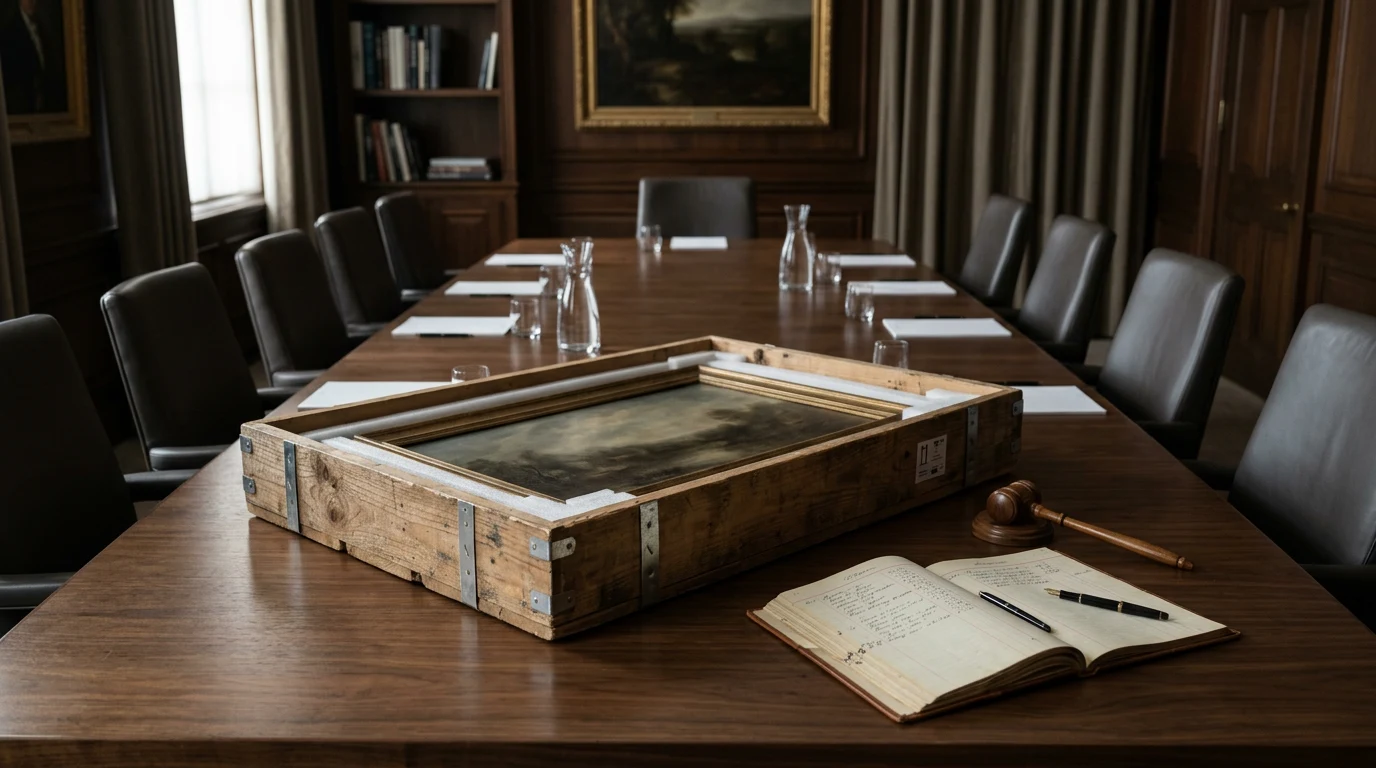
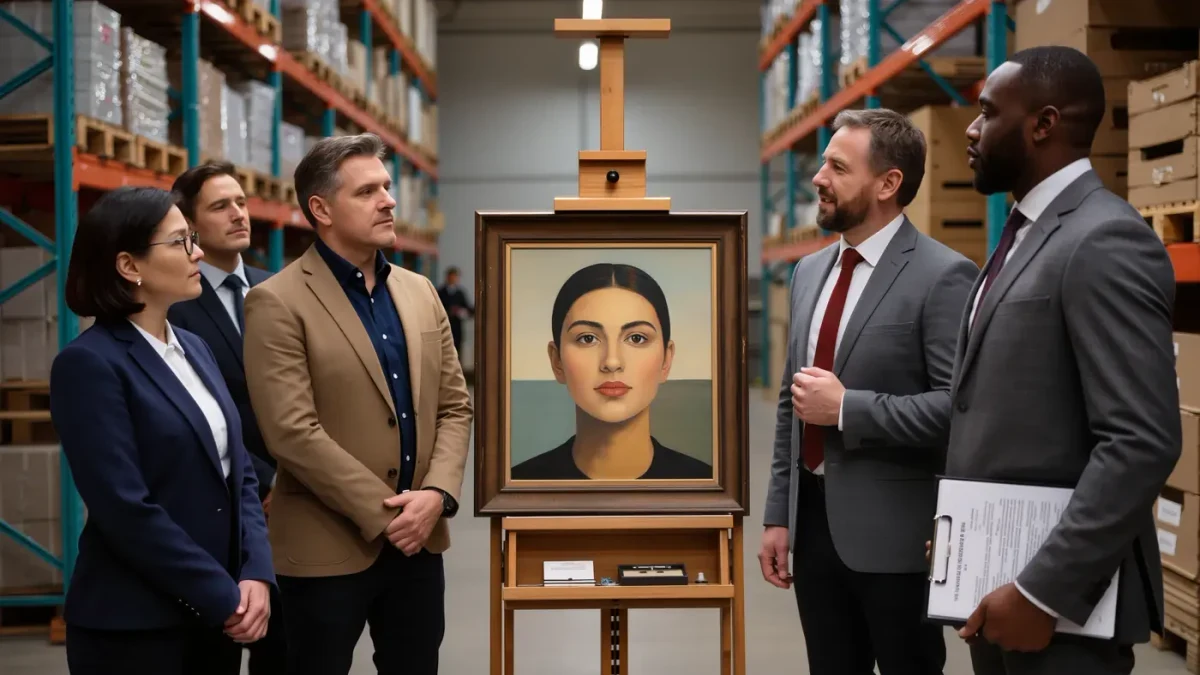
The acquisitions committee is where trustees, curators and directors meet to vote objects into the collection. Typically the curator prepares a memo — justification, provenance, condition report, price or appraised value, funding source — which the director endorses before the committee sees it. Smaller museums may route everything through the full board; larger ones delegate authority to the committee, sometimes with a dollar threshold above which a full board vote is required.
In practice the committee is part scholarly seminar, part deal room. Trustees who collect the same field as the proposal may probe price aggressively or recuse themselves over conflicts. A committee can reject works the curator fought for, and it can speed-run works a major donor is dangling. The vote is usually by majority; the paperwork that follows — deed of gift or purchase agreement, catalog entry, deaccession review for any duplicates — is where the acquisition becomes legally real.
| Channel | Who decides | Cash cost | Typical catch |
|---|---|---|---|
| Gift in kind | Curator, director, acquisitions committee | None (care and storage costs remain) | Restrictions, bundled works, title questions |
| Purchase | Curator, director, committee; restricted funds | Full price | Limited acquisition endowment income |
| Bequest | Donor’s estate; museum may decline | None | Arrives late, condition unverified |
| Fractional gift | Negotiated with donor and IRS rules | Staged | Complex tax treatment, deadlines |
What Are the AAMD Rules on Acquisitions?
The AAMD sets the professional norms most American museums follow, even where law is silent. Its guidelines require full provenance diligence — an uninterrupted ownership history — before acquisition, heightened scrutiny for antiquities and works that circulated during the Nazi era (1933–1945), and transparency when a work later proves problematic. The AAMD has sanctioned member museums that violated its deaccessioning rules, and its registry publishes member acquisition and deaccession activity so the field can police itself.
Archaeological material gets the strictest test: the 1970 UNESCO Convention is the practical bright line, and museums are expected to demand documented history back to that date or a lawful export trail. For Nazi-era art, the 1998 Washington Principles commit institutions to proactive provenance research and just-solutions claims resolution. Buy or accept a work with a broken chain, and the museum owns the reputational tail risk.
How Do Museums Pay for Purchases?
Rarely with operating cash — that would be budget malpractice. Purchases are typically funded from the spendable income of restricted endowment funds (“The Jane X Fund for Photographs”), from donors who write acquisition-specific gifts, or from library funds seeded decades ago. Some museums run acquisition funds fed by deaccession proceeds — lawful under AAMD rules only when proceeds buy art directly, never when they patch operations.
Price discovery is its own art. Museums buy at auction, through dealers (who may extend institutional discounts of 10–20 percent, because a museum credit line is marketing for the artist), at fairs, and via private treaty sales arranged by auction houses. Curators benchmark against auction results and dealer asking prices; overpaying with donated funds invites both committee skepticism and, eventually, an appraisal conversation with the IRS.
Why Do Collectors Give Art Away?
Because the tax code makes generosity rational. A donor who gives an appreciated artwork to a museum — and, for the full deduction, satisfies the related-use requirement and holds the work long enough — can deduct fair market value rather than basis, subject to income limitations. The 2017 federal tax overhaul raised the bar for many donors by increasing the standard deduction and limiting S-corporation donation strategies, and appraisal rules tightened; the incentive survives, but the paperwork is heavier than it was.
The non-financial motives matter just as much: permanence, a name on a label, control over where a collection lands, and the simple fact that heirs often prefer liquidity problems solved by someone else. Museum gift planning offices exist to convert all of this into incoming objects — the quiet engine room of collection growth.
What Happens After the Vote?
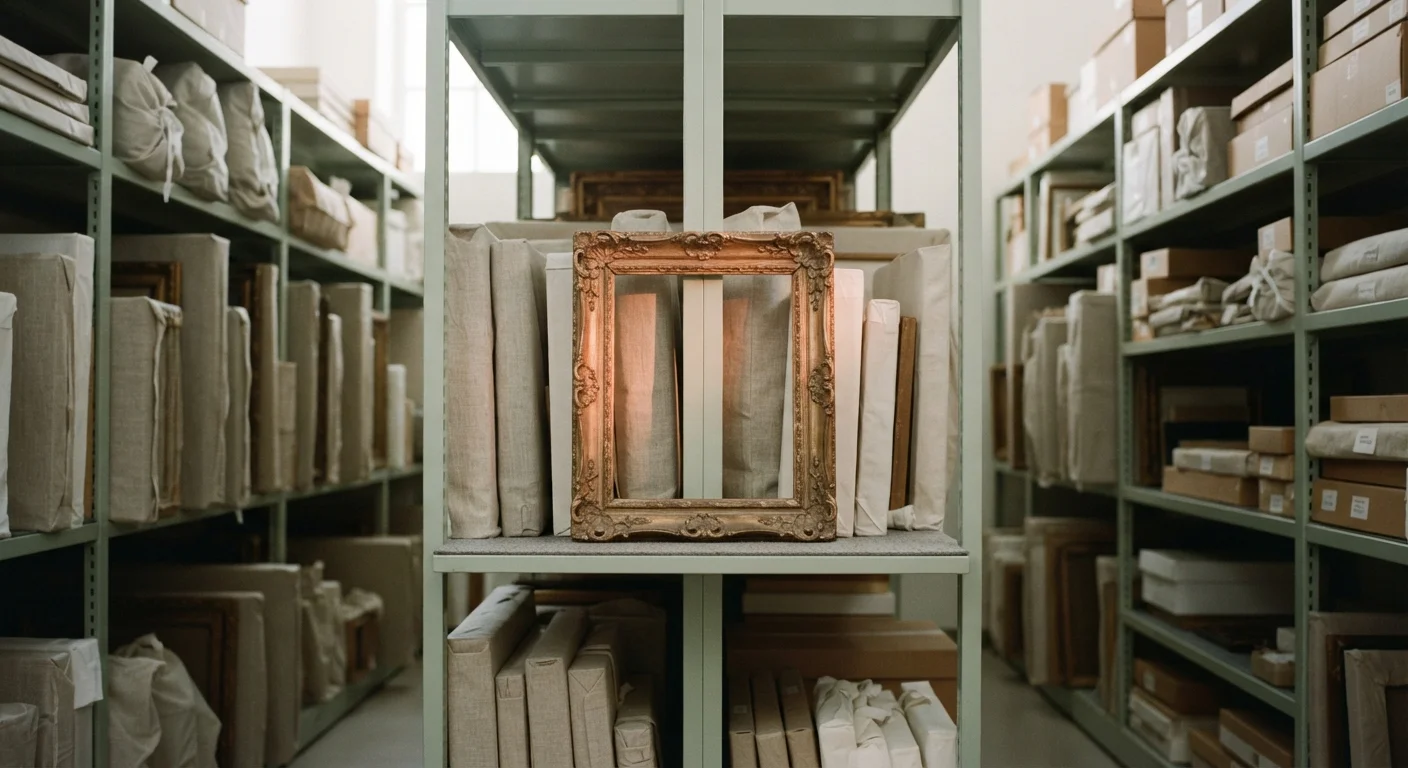
Post-vote, the work is accessioned: assigned a number, photographed, condition-checked, conserved if needed, and entered into the collection database. Title review confirms the donor could actually convey title. Insurance schedules update. Then, eventually, a wall label — which is the only part of the machinery most visitors ever see.
Frequently Asked Questions
Do museums prefer gifts or purchases?
Gifts, overwhelmingly, because collection growth without cash outlay is the only math that scales at most institutions. But purchases matter disproportionately for strategy — they let curators fill gaps, support living artists the market has ignored, and assert quality judgment on the institution’s own account.
Can a museum refuse a gift?
Yes, and good ones do it often. A museum can decline works with unclear provenance, poor condition, restrictive covenants, duplicates of existing holdings, or simply mediocre quality — accepting clutter now forecloses deaccessioning options later.
What is an accession number?
It is the unique identifier assigned when an object formally enters the permanent collection, typically encoding year of acquisition, sequence and sometimes fund or department. The number is how the object is tracked through every future loan, exhibition move and condition check.
Who has final say over acquisitions?
Formally, the board or its delegated acquisitions committee — the director recommends, curators argue, trustees vote. Informally, power concentrates around whoever controls acquisition money, which is why restricted funds and their donor Intent shape collections long after donors die.
Does a museum ever buy at auction?
Frequently, often through advisors or the auction house’s museum-services desk. Auctions offer public price benchmarks, but museums dislike the exposure: bid openly for a work and every dealer watching raises prices on everything adjacent in the field.