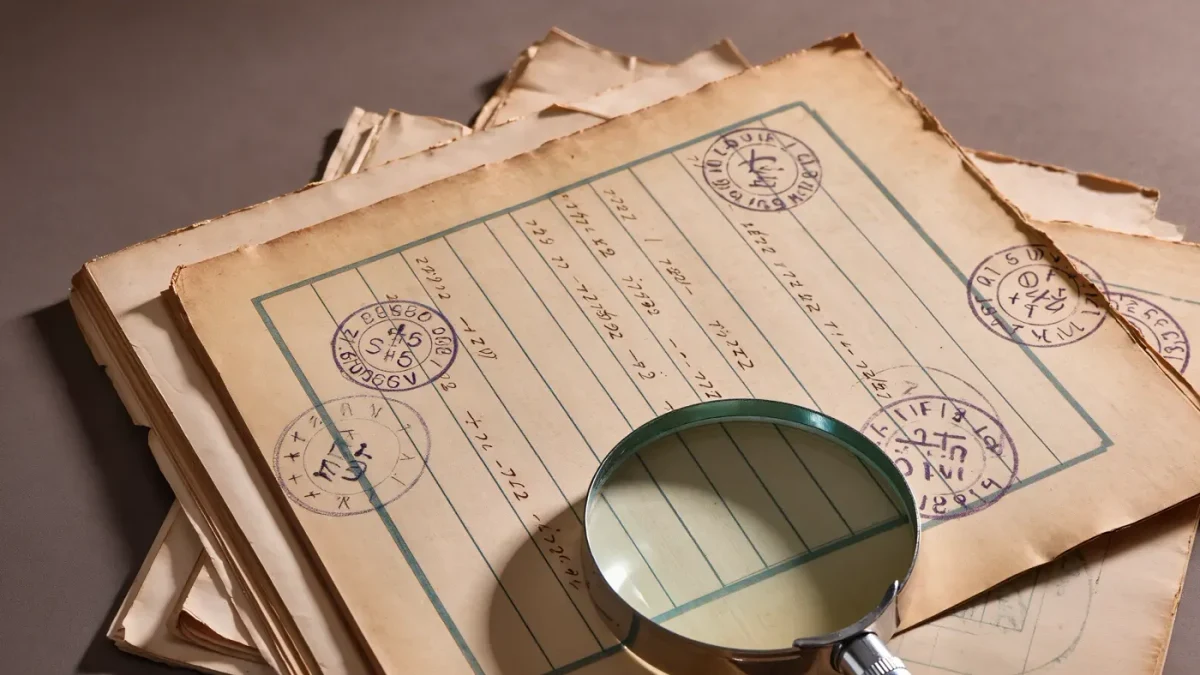
Provenance research is the reconstruction of a work’s complete ownership history — and the governing consensus for the hardest period is the Washington Principles, 44 countries’ non-binding 1998 commitment to identify Nazi-confiscated art and reach “just and fair solutions” with heirs. Museums employ dedicated provenance staff, publish ownership chains online, and field restitution claims that can arrive 80 years after a forced sale. The discipline has expanded from the Nazi era outward, to archaeological looting and colonial takings, and it now sits at the center of museum ethics rather than its footnotes.
How Do Museums Research Provenance?
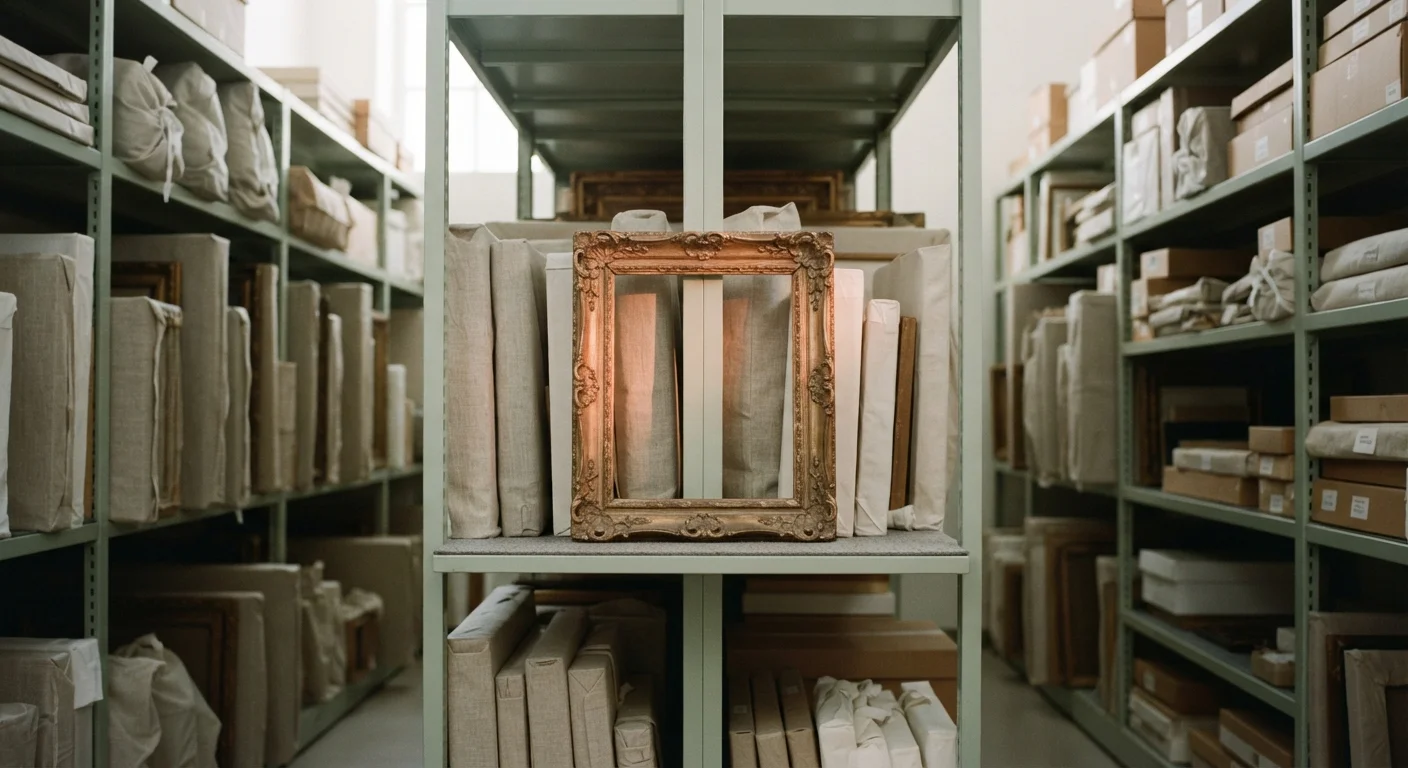
Researchers work backwards from the present: acquisition records, dealer stock books, auction catalogues, exhibition histories, estate inventories, customs documents, old photographs of interiors. Every link in the chain is a document; a gap is a question, not a verdict. The tools include subscription databases of looted-art records, dealer archives (many digitized — the Getty Research Institute’s collections and the German Lost Art Foundation’s databases are field standards), and an international network of specialists who trade findings semi-formally.
The professional benchmark is the unbroken chain. For acquisitions, museums increasingly refuse works whose history cannot be documented across sensitive periods. For works already on the wall, research is proactive in principle and reactive in practice — most provenance departments are small, and prioritization leans on notoriety, claim exposure and donor sensitivity.
Why Is 1933–1945 the Critical Gap?
Because Nazi persecution made property transfer legally valid and morally void at once. Jewish families under duress sold collections for fractions of value to finance escape; works were confiscated, “aryanized” through forced transfers, or simply taken after deportation. Postwar restitution was partial: some recovered works were returned, others laundered through the legitimate market of the 1950s and entered museums with clean-looking paper. The 1998 Washington Conference on Nazi-Confiscated Art — and its eleven principles — committed institutions to open their archives, research their collections and seek fair solutions rather than hiding behind statutes of limitation and good-faith-purchase defenses.
US museums endorsed the principles through AAMD guidelines; the field’s record since is genuinely mixed. Some institutions have restituted quietly; others litigated for years — a pattern heirs’ lawyers describe as deliberate delay. The 2012 Munich discovery of the Gurlitt trove, over a thousand works hoarded by a dealer who had handled “degenerate art,” revived public attention and political pressure across Europe.
What Is Restitution in Practice?
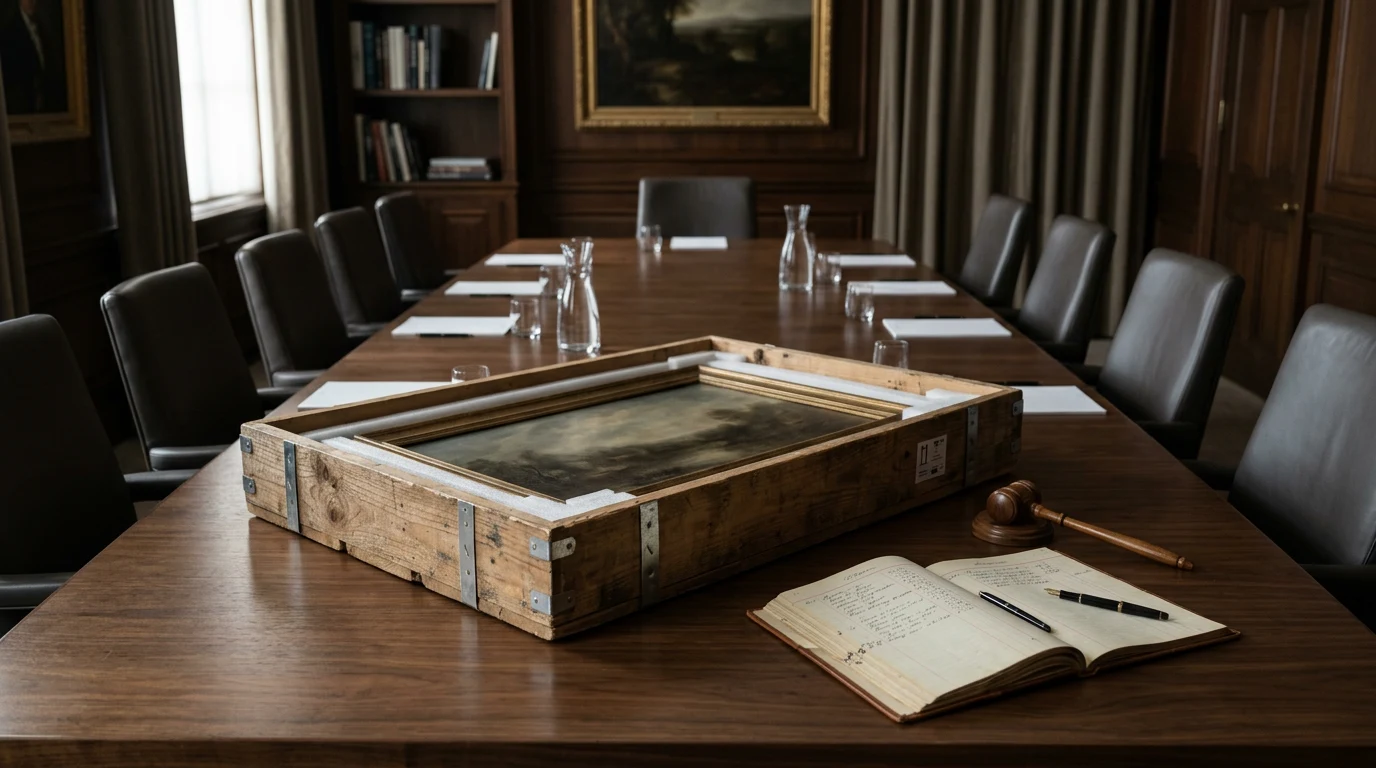
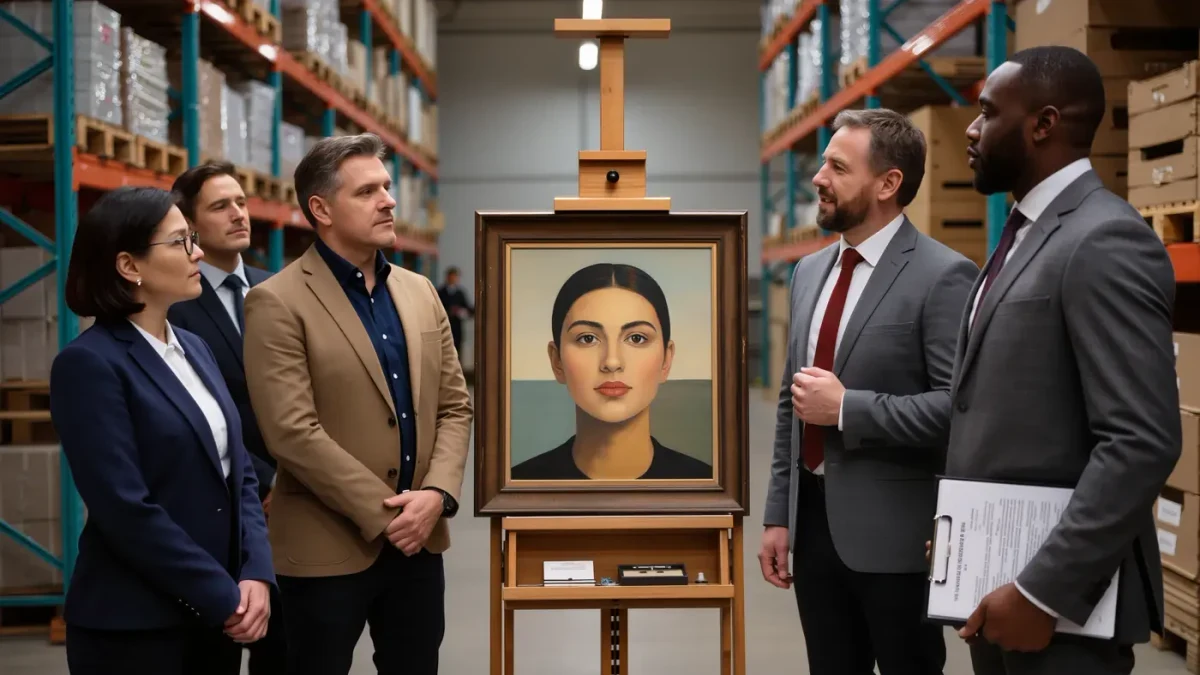
A claim arrives, from heirs or their representatives, asserting a forced sale or confiscation. The museum reviews the file — sometimes for years — and the outcomes form a spectrum: outright return; a settlement in which the museum keeps the work and pays the heirs a negotiated share; a sale with proceeds split; or refusal, followed by litigation or mediation. Famous resolutions include the sustained wave of returns of works by the likes of Egon Schiele and Gustav Klimt from Austrian and American institutions in the 2000s–2020s, and portrait cases that became books and films.
The legal posture differs sharply across borders. The UK Spoliation Advisory Panel and Austrian and German advisory boards offer structured, non-adversarial processes. The US has no national panel; claims resolve museum by museum, court by court, which favors institutions with litigation budgets. The Washington Principles’ famous “just and fair solutions” language leaves everything to negotiation — which is both its genius and its loophole.
What About Antiquities and Colonial-Era Objects?
Same method, different bright lines. For archaeological material, the 1970 UNESCO Convention is the field’s practical cutoff: museums are expected to document legal export and ownership back to that date or earlier. The last two decades of repatriations — returns of antiquities to Italy, Greece, Cambodia and elsewhere, often after criminal investigations exposed dealer networks like the one around Giacomo Medici — have made provenance the decisive variable in an object’s marketability.
Colonial-era acquisitions are the newest frontier: Benin bronzes returned by German, British and American museums to Nigeria, and parallel claims on objects taken during imperial campaigns, test the framework the Washington Principles built. The difference is that no 1998-style international consensus yet exists — the debate is happening case by case, ministry by ministry.
What Does a Provenance Gap Mean for Value?
Money. A clean chain supports both market price and insurability; a Nazi-era gap, an indicted dealer in the file, or a 1970-era hole can render a work unsellable at major auction houses, which now run their own restitution departments. Provenance has become a pricing variable in its own right — the market’s private answer to a legal question it would rather not litigate.
Frequently Asked Questions
What are the Washington Principles?
Eleven non-binding principles adopted by 44 countries at the 1998 Washington Conference on Nazi-Confiscated Art. They commit institutions to identify suspect works, open archives, publicize findings and seek just and fair solutions with claimants — without creating enforceable legal rights, which is why compliance varies so widely.
Can a museum be forced to return a painting?
Sometimes. Outside the US, national spoliation panels and advisory boards can recommend returns that institutions generally honor. In America, statutes of limitation and good-faith-purchase defenses often protect museums, so claims resolve through negotiation, settlement or public pressure more than court orders.
What is a provenance gap?
A stretch of an object’s ownership history that documents cannot bridge — a missing year or a war-era silence. A gap is not proof of theft, but in sensitive periods it is a red flag that responsible museums and auction houses treat as unresolved risk.
Do museums hire their own provenance researchers?
Increasingly, yes — the larger institutions maintain dedicated provenance departments, and the field has professionalized since the late 1990s, with specialized training programs and research centers in the US and Germany. Coverage remains thin relative to the size of collections.
Does bad provenance lower a work’s price?
It can kill it. Auction houses decline consignments with tainted chains, insurers balk, and buyers discount heavily for restitution risk — making provenance one of the few non-aesthetic variables that materially moves art prices.