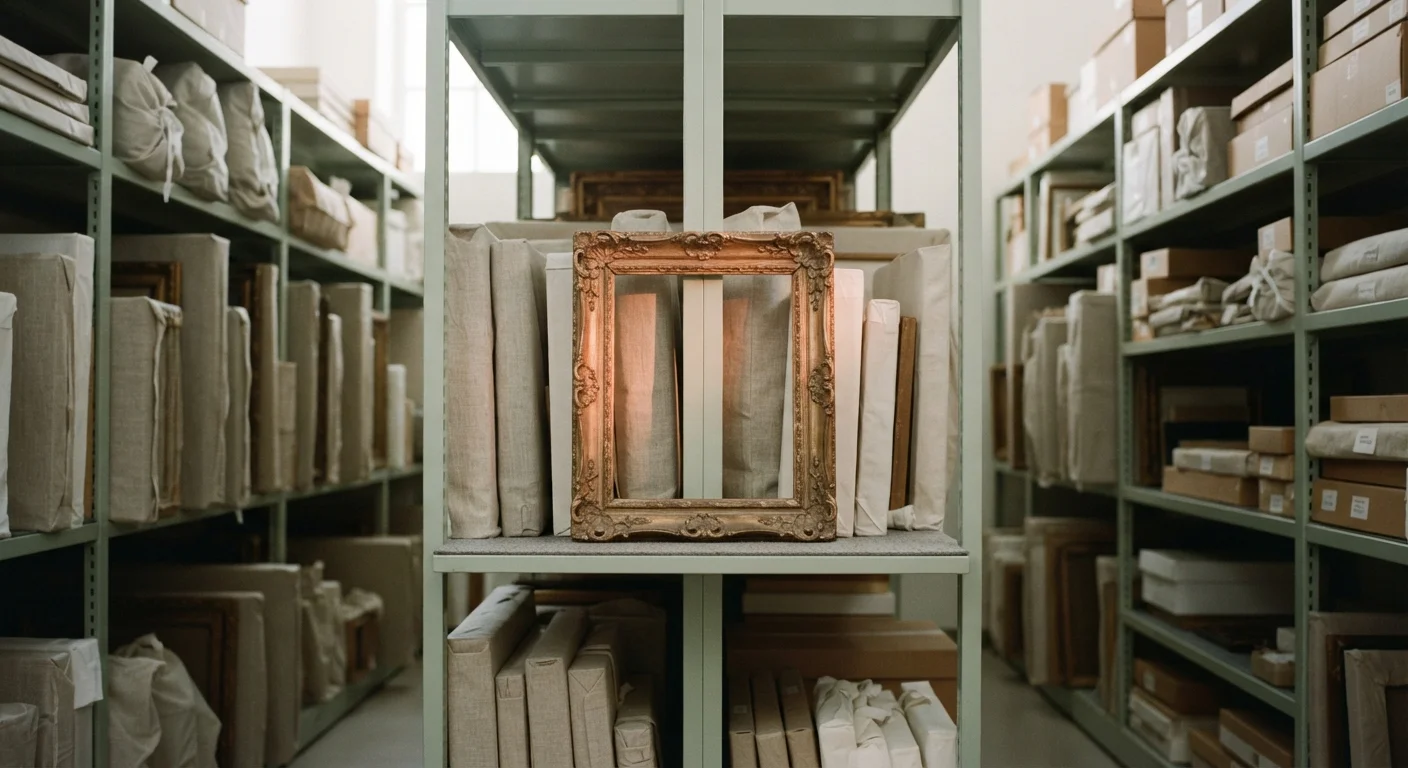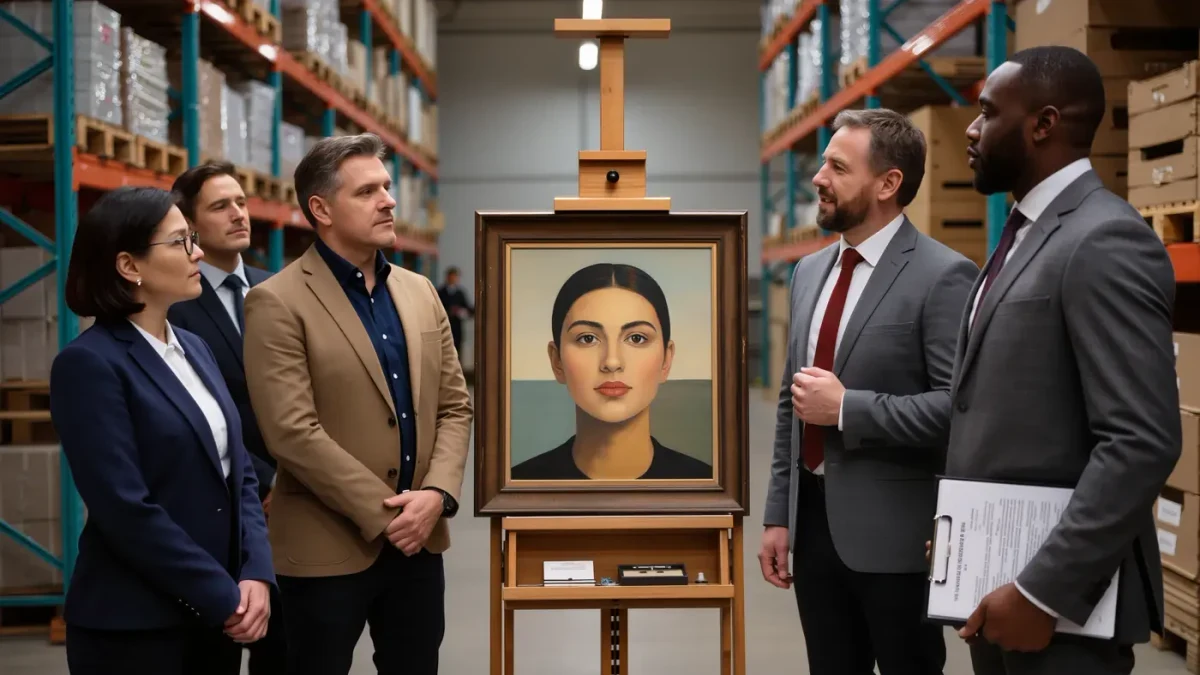
Private museums — nonprofit galleries founded by collectors to house their own holdings — have boomed in the United States: the IRS-approved count grew into the thousands through the 2010s, with hundreds of new institutions chartered in a single decade. The vehicle is attractive because the tax code is attractive: donate art to your own 501(c)(3) foundation, deduct fair market value, and control the collection’s display in perpetuity. From the Broad in Los Angeles to single-artist warehouses, the private museum is now a structural fact of the American art world — and a recurring target of Senate scrutiny.
What Counts as a Private Museum?
The IRS defines a private museum as a tax-exempt organization operated for museum purposes but classified as private foundation rather than public charity — typically because it is funded by one family rather than a broad base of public support. Structurally it is usually a charitable trust or nonprofit corporation (an operating foundation in the friendlier versions) that owns the collection, opened a building, and satisfies exemption requirements: charitable purpose, public benefit, no private inurement.
The spectrum runs from genuinely public institutions — professionally curated, free or modestly ticketed, open five or six days — to the notorious edge cases: appointment-only viewing, a few open hours a year, storage that the founder’s family controls. The IRS requires that a museum exempt from federal income tax be organized and operated exclusively for exempt purposes, with facilities genuinely accessible to the public; how much accessibility suffices is where the arguments live.
What Are the Tax Advantages?
Two mechanics do the work. First, the charitable deduction: a collector who donates appreciated art to their exempt foundation may deduct an appraisal-based fair market value, subject to income limitations and (for private foundations) stricter appraisal and deduction rules than public charities face. Second, exemption and deductions on the operating side: contributions to fund the building and operations are deductible, foundation assets grow untaxed, and estate planning benefits follow. The founder also retains something no sale can deliver — control of the narrative, the building, and the collection’s future.
Compared with donating to the Met, the delta is governance: a private museum lets the collector remain the aesthetic authority, exempt from another board’s acquisitions committee. Whether that is philanthropy or a subsidized vanity project is the field’s running argument.
Why Did the US See a Boom?
Converging forces from the 1990s–2010s: contemporary-art prices created enormous paper wealth seeking tax efficiency; public museums grew conservative about accepting restricted gifts; and the private model gained prestige through exemplars — Eli Broad’s museum (which notably structured itself to place works with public institutions rather than hoard), Glenstone outside Washington, the Rubell and Margulies collections in Miami, Mass MoCA-adjacent ventures and single-artist temples across Texas, Marfa and upstate New York. Each success normalized the next. By the mid-2010s, senators were citing the IRS statistic that private museums numbered in the thousands and questioning the audit rate.
What Are the Rules on Public Access?
The regulatory core is deceptively simple: to qualify, the organization must be operated exclusively for exempt purposes, and a museum claiming public benefit must actually admit the public — regularly, at established times, under reasonable conditions. The IRS also polices private inurement (no personal benefit to insiders), self-dealing rules for private foundations (the foundation cannot buy art from the founder, for instance), minimum distribution requirements (an operating foundation must spend a set share on charitable activity), and the 2006-era tightened appraisal rules for donated property.
Enforcement, however, is thin. A 2015–16 Senate Finance Committee inquiry — Senator Chuck Grassley’s staff questionnaire to a group of private museums — concluded the sector needed tighter rules on hours, independent professional management and payouts; legislation did not follow. The IRS continues to approve applications, and the sector continues to grow along the quality spectrum from world-class to window-dressing.
What Does the Criticism Say?
The critique, made by economists, tax journalists and some museum leaders, is that a private museum can function as tax-subsidized private storage with a viewing clause: the public subsidizes deductions while receiving minimal access; the collection is shielded from the market and from scholarly communities that a public museum would serve; and the founder retains financial benefit via enhanced reputation, asset control and family employment. The defense answers with outcomes — some private museums outperform public peers in curatorial freedom, admission pricing and commissioning ambition, and many eventually transfer works or whole collections to public institutions.
Both things are true, which is why the policy debate never resolves. The honest formulation: the tax code prices the incentive generously, the policing is light, and quality is left to the founder’s conscience — an unusual regulatory design for billions in foregone revenue.
Frequently Asked Questions
How many private museums are there in the US?
IRS data through the 2010s counted the sector in the thousands, with hundreds of new charters in that decade alone — the figure Senate investigators cited when questioning whether public access justified the tax benefits. Precise current counts vary because the category’s borders are blurry.
Can a collector deduct art donated to their own museum?
Yes, if the foundation is a qualified exempt organization and the donation satisfies appraisal and related-use rules — though private foundations face tighter deduction limits than public charities. The deduction is fair market value of appreciated works, which is precisely what makes the structure powerful.
Does a private museum have to be open to the public?
Yes — exemption requires genuine public benefit, meaning regular hours and reasonable access. But the rules leave flexibility on how much, which is why appointment-only or minimal-hours institutions have drawn Senate criticism and periodic audit attention.
What is private inurement in this context?
It is the prohibition on an exempt organization’s insiders benefiting personally — the founder cannot profit from the museum, sell art to it, or run it for private advantage. Self-dealing rules for private foundations enforce this with excise taxes on prohibited transactions.
Are private museums good or bad for the art world?
Both, honestly. The best add curatorial ambition, free access and buildings cities would never fund; the worst amount to subsidized storage. The tax critique is not that the model exists, but that the code generously subsidizes it without demanding much public benefit in return.