Coverage of commercial and independent galleries: what is currently hanging, how a program has developed, which editions are available and what a visit involves. Includes established dealers and small project rooms. Written for gallery-goers planning a route and for buyers who want to read a program before spending.
Away from the auction podium, a parallel market of private dealers matches consigned masterpieces with buyers — quietly, on commission, and with far more control over price.
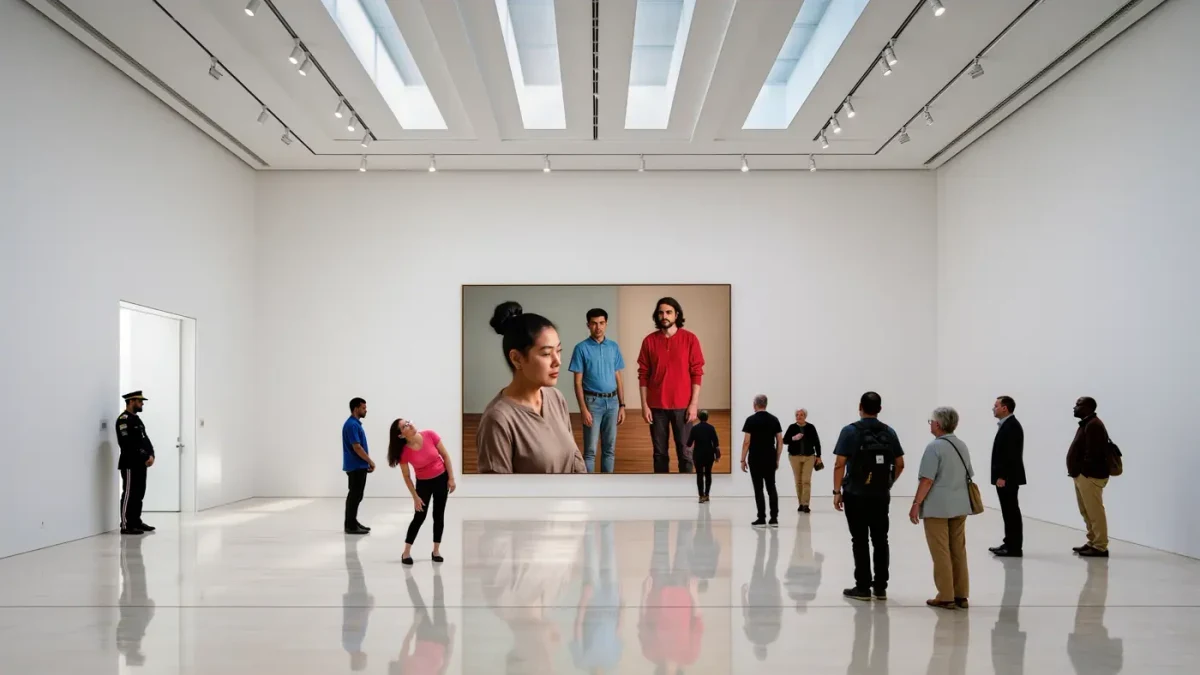
The white cube is a century-old exhibition ideology that strips away context so art can be judged as pure commodity-object — and it quietly raises what the object commands.
A representation agreement is less a contract about art than about control — who may sell the work, where, at what price, and who gets paid first when the money arrives.
A single flagship fair booth can cost a gallery from the high five figures to well past half a million dollars — and most galleries participate anyway, because absence is more expensive.
Valentina Rossi-MorettiFebruary 14, 2026 · 6 min read
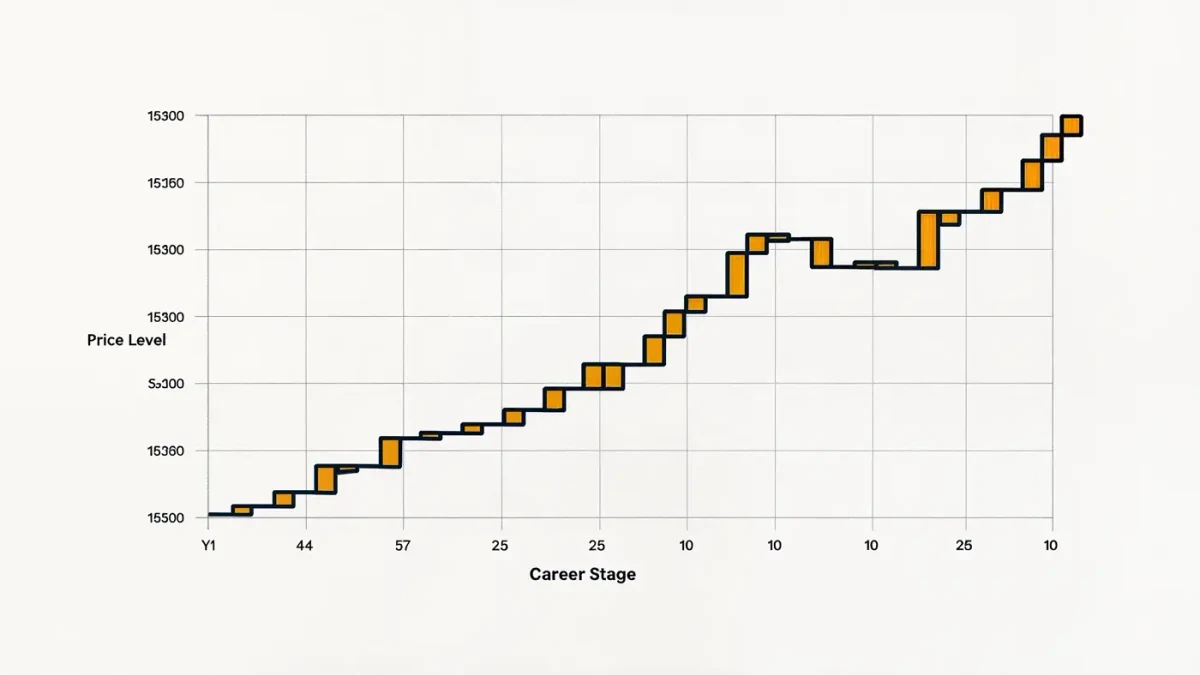
Primary-market pricing is a negotiation between artist ambition and gallery discipline, engineered so that a first price becomes a floor the secondary market can never breach.
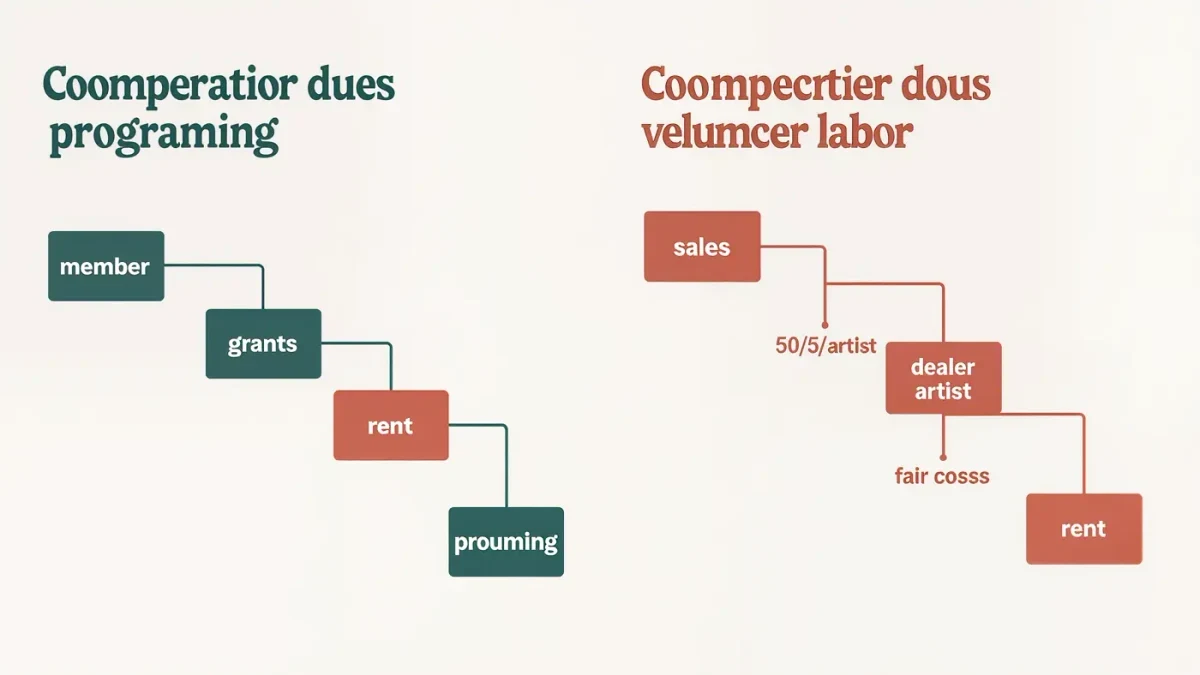
A commercial gallery is a consignment business built on a roughly fifty-fifty revenue split with its artists — and on expenses that quietly eat most of the half it keeps.
Valentina Rossi-MorettiDecember 30, 2025 · 7 min read